
Soups & Stews
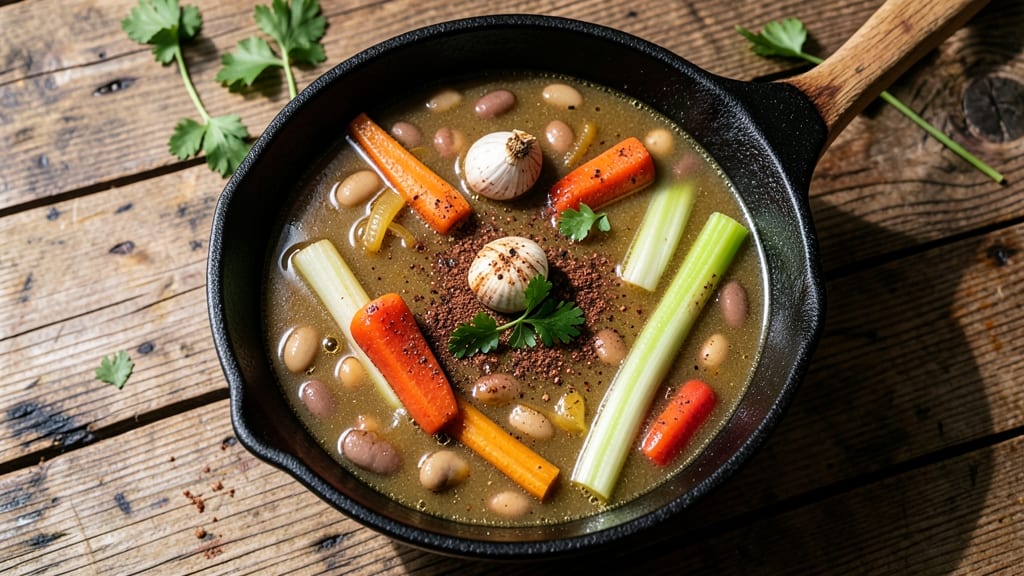
This old-fashioned bean soup recipe delivers the kind of smoky, garlic-kissed depth that turns a simple pot of beans into a hearty, restaurant-worthy meal. The secret lies in slow simmering—letting flavors meld over time to create a rich, velvety broth that clings to every bite.
I first made this version during a chilly autumn evening when I needed comfort food that felt nostalgic yet fresh.
What sets this recipe apart is the balance of traditional techniques with modern convenience. You'll start with a smoky garlic base, then build layers of flavor through slow cooking—no fancy ingredients required, just time and patience.
The result is a soup that's naturally vegetarian (though meat can be added) and packed with texture from tender beans, crisp herbs, and a touch of acidity from vinegar or lemon.
By the time you're done, you'll have a deeply aromatic soup with a glossy, golden surface and a broth so flavorful it needs no garnish—though fresh parsley or a drizzle of olive oil adds the perfect finishing touch.
This is the kind of soup that tastes even better the next day, making it ideal for meal prep or feeding a crowd.
The beauty of this recipe is its adaptability. Use it as a standalone meal, pair it with crusty bread, or serve it alongside grilled meats. The slow simmering method ensures maximum flavor extraction, turning simple ingredients into something extraordinary.
Let's get started—your kitchen will smell like a classic diner in no time.
Ingredients for old fashioned bean soup
This hearty bean soup relies on simple ingredients that transform into restaurant-quality depth through slow cooking.
| Ingredient | Amount | Notes |
|---|---|---|
| Dried Navy Beans 🌱 | 2 cups | Uncooked, soaked overnight |
| Smoked Paprika 🌶️ | 2 tbsp | High quality for smokiness |
| Garlic Cloves 🧄 | 8 cloves | Fresh, peeled, smashed |
| Yellow Onion 🧅 | 1 whole | Medium, diced |
| Carrots 🥕 | 3 medium | Peeled, chopped into chunks |
| Celery Stalks 🧅 | 3 whole | Chopped, with leaves included |
| Extra-Virgin Olive Oil 🫒 | ½ cup | For sautéing vegetables |
| Vegetable Broth 💧 | 6 cups | Low-sodium preferred |
| Red Wine Vinegar 🍷 | 2 tbsp | For acidity balance |
| Fresh Thyme 🌿 | 2 sprigs | Or 1 tsp dried thyme |
| Fresh Parsley 🌿 | ¼ cup | Chopped, for garnish |
| Bay Leaves 🍃 | 2 whole | Removed before serving |
| Salt 🧂 | 1 ½ tsp | Diamond Crystal kosher |
| Black Peppercorns 🌶️ | ½ tsp | Freshly cracked |
| Lemon Juice 🍋 | 2 tbsp | Freshly squeezed |
The navy beans are the foundation, so choose a high-quality dried variety—none of that pre-cooked canned nonsense. Soak them overnight for maximum tenderness, or use the quick-soak method if you're in a hurry. For the smoked paprika, Penzeys or McCormick are reliable brands—avoid the generic store brands, as they often lack depth. The garlic should be fresh and plump, with no green shoots. Whole Foods or local farmers markets typically carry the best quality. Carrots and celery should be crisp and vibrant, not limp or discolored. If using organic, no need to peel—just scrub thoroughly.
No smoked paprika? Substitute liquid smoke at one-third the amount, but use sparingly—it's potent. Fresh thyme unavailable? Dried works at one-fourth the quantity, but toast it in a dry pan for 30 seconds first to deepen the flavor. The vegetable broth is critical—low-sodium options like Pacific Foods or Imagine ensure you control the seasoning. For extra richness, stir in 2 tablespoons of tomato paste with the broth. The vinegar and lemon juice can be swapped for apple cider vinegar or a splash of white wine if preferred, but keep the acidity balanced.
This soup improves with time—reheat gently on the stove with a splash of water or broth if it thickens. Store in an airtight container in the refrigerator for up to 5 days, or freeze for 3 months. The beans and broth separate when cold, so give it a stir before reheating. For meal prep, double the recipe and freeze half—thaw overnight in the fridge before reheating. Garnish with fresh parsley just before serving to maintain vibrant color.
Why You'll Love This Recipe
- I’ll be real: I used to dread soaking beans, but these dried navies? Just a quick rinse and a long simmer—no fancy prep. That smoked paprika does all the work while you sip your coffee.
- Here’s what sold me: this soup tastes just as good cold the next day. Pack it in jars for work or school—no reheating needed, and the flavors actually improve overnight. (My kid’s favorite, weirdly.)
Step-by-step instructions for smoky garlic-kissed bean soup
Here's the method for developing rich, layered flavors in a one-pot bean soup that balances smokiness with bright acidity.
Prepare the Beans for Maximum Texture
Begin by sorting through the 2 cups dried navy beans, discarding any shriveled or damaged beans. Rinse them thoroughly under cold water to remove any surface debris. Place them in a large bowl and cover with plenty of cold water—at least 4 inches above the beans. Let them soak overnight at room temperature. This overnight soak ensures even cooking and prevents the beans from remaining hard or splitting during cooking.
The following day, drain the soaked beans and give them a quick rinse. Transfer them to a heavy-bottomed Dutch oven—the ideal vessel for even heat distribution. Add the 6 cups vegetable broth and bring to a gentle simmer over medium heat. Here's the thing—don't rush this step. Simmering the beans uncovered for 30 minutes allows the broth to reduce slightly and concentrate their flavors before adding the aromatic vegetables.
Build the Flavor Foundation with Aromatics
While the beans simmer, heat the 0.5 cup extra-virgin olive oil in the same Dutch oven over medium heat until shimmering. Add the 1 whole yellow onion, 3 medium carrots (chopped into chunks), and 3 whole celery stalks (chopped with leaves included). Sauté for 8-10 minutes until the vegetables soften and begin to caramelize at the edges—this develops their natural sweetness and forms the base for your soup.
Push the vegetables to one side of the pot and add the 8 cloves smashed garlic cloves. Cook for 1-2 minutes until fragrant but not browned—burnt garlic will dominate the soup's flavor. Stir in the 2 tbsp smoked paprika and cook for an additional 30 seconds, allowing the spices to bloom and release their aromatic compounds. This is where the soup's signature smoky depth begins to develop.
Combine and Simmer to Perfection
Carefully pour the vegetable mixture back into the Dutch oven with the simmering beans and broth. Add the 2 sprigs fresh thyme, 2 whole bay leaves, 1.5 tsp salt, and 0.5 tsp freshly cracked black peppercorns. Stir gently to combine, then bring the mixture to a full boil. Once boiling, reduce the heat to low and cover the pot. Let the soup simmer gently for 1 hour, stirring occasionally to prevent the beans from sticking to the bottom.
After 1 hour, check the beans for doneness. They should be tender but still hold their shape with a slight bite. If they're not quite there, continue simmering for another 30-45 minutes. The soup should have a thick, hearty consistency—if it's too thin, uncover and simmer for an additional 10-15 minutes to reduce the liquid. This slow cooking process is crucial for developing the beans' natural sweetness and allowing all the flavors to meld together.
Finish with Bright Acid and Fresh Herbs
When the beans are perfectly tender, stir in the 2 tbsp red wine vinegar and 2 tbsp freshly squeezed lemon juice. This acidity brightens the soup's flavors and cuts through the richness of the beans and broth. Taste and adjust the seasoning with additional salt if needed—remember, the beans have absorbed some of the liquid, so you may need to add a bit more than initially called for.
Remove the 2 sprigs fresh thyme and 2 whole bay leaves. Stir in the 0.25 cup chopped fresh parsley just before serving to add a fresh, vibrant note that contrasts beautifully with the smoky, garlicky depth of the soup. Ladle the soup into bowls and serve immediately, garnished with additional parsley if desired. The result should be a soup with a perfect balance of smoky, garlicky, and bright flavors that's both comforting and complex.
Pro Tips For Making Old Fashioned Bean Soup
- SOAK BEANS OVERNIGHT: I learned this the hard way—rushing the soak with dried navy beans leaves them tough no matter how long you simmer. Toss them in cold water with a pinch of baking soda (yes, it works) and let them sit 12+ hours. No need to boil them first; just drain and rinse before cooking. Your soup will thank you with actual texture.
- TOAST THE PAPRIKA: Smoked paprika loses its depth if you just sprinkle it in. Dry-toast it in a small pan over medium-low for 30 seconds until fragrant—it deepens the smoky flavor without burning. Then mix it with a teaspoon of sugar and a splash of water to make a paste before adding to the soup. (Your future self will notice the difference.)
- SAUTÉ ONIONS LOW AND SLOW: Crowd the pan with chopped onions and garlic, and they’ll steam instead of caramelize. Use a wide skillet, cook on medium-low for 10-12 minutes, and stir occasionally. The goal is golden-brown edges, not a burnt offering. Patience here means the whole soup tastes richer.
- ADD CARROTS LATE: I used to toss them in with the beans, but that leaves them mushy and flavorless. Save them for the last 20 minutes of cooking—cut them into even chunks so they soften uniformly. If you’re in a rush, microwave them for 3 minutes first, then finish in the pot. (Yes, I’ve done it.)
Serving suggestions for this old fashioned bean soup
Bread Pairings
This soup's rich, smoky depth pairs beautifully with crusty sourdough or rustic whole-grain bread. I love using a baguette-style loaf from my local bakery—its crisp crust soaks up the broth while the soft interior melts with each spoonful.
For extra indulgence, try garlic focaccia with its herby, buttery notes that complement the soup's garlic-kissed flavors. 🥖
Cheese & Toppings
Add a sprinkle of aged cheddar or Parmigiano-Reggiano for a salty, umami boost. I often finish each bowl with crumbled feta and a drizzle of extra-virgin olive oil—the tangy contrast elevates the smoky garlic base. For texture, toss in toasted breadcrumbs or crispy fried shallots right before serving.
Side Dish Harmony
Serve alongside roasted Brussels sprouts with balsamic glaze for a bitter-sweet contrast. Another favorite: creamy polenta or mashed potatoes to balance the soup's hearty texture. The key is to keep sides simple so the soup remains the star—think arugula salad with lemon vinaigrette for a refreshing counterpoint. 🥗
Beverage Pairings
A crisp white wine like Sauvignon Blanc cuts through the richness, while a light lager (such as Peroni) keeps the meal refreshing. For non-alcoholic options, sparkling apple cider or iced hibiscus tea adds a bright, citrusy note that complements the soup's acidity. 🍷
Make-Ahead Serving
This soup tastes even better the next day, so prepare it ahead for gatherings. Reheat gently on the stove with a splash of broth, then ladle into pre-warmed bowls for immediate serving.
Garnish with fresh parsley and a dash of hot sauce at the table for customizable heat. The slow-cooked flavors deepen overnight, making it perfect for meal prep. ⏰
Presentation Tips
For a restaurant-worthy touch, serve in deep, rustic bowls with a sprig of thyme as a garnish. Swirl the broth slightly before serving to create visual appeal. Add a small pool of olive oil in the center of each bowl—guests can drizzle it over their soup as desired.
The golden crust from simmering adds natural beauty, so don’t skim it off! 💫
Nutrition facts
Frequently asked questions
Why do I need to soak the beans overnight?
Soaking overnight ensures the beans cook evenly and don't stay hard or split during cooking. This method also reduces cooking time and helps develop a creamier texture in your soup. For a quicker option, try the quick-soak method: boil the beans for 2 minutes, then let them sit off heat for 1 hour before continuing with the recipe.
Can I use canned beans instead of dried?
Yes, but you'll lose the deep, earthy flavor that comes from slow-cooking dried beans. If you must use canned, choose high-quality navy beans and drain them well. Add them to the pot after the vegetables have simmered for 30 minutes to absorb flavors. For best results, reduce the broth by 1 cup since canned beans release less starch.
What if my soup tastes too bland after simmering?
Start by adjusting seasoning with extra salt, black pepper, or a splash of red wine vinegar. For depth, stir in 1 tbsp tomato paste or add a pinch of smoked paprika. If the broth is watery, uncover and simmer for 10-15 minutes to reduce. For a quick fix, finish with a drizzle of olive oil or a sprinkle of Parmesan cheese. Remember, flavors meld better after resting for 15 minutes off heat.
How can I make this soup vegetarian?
This recipe is already vegetarian! Skip any optional meat additions like bacon or ham. For extra protein, stir in 1 cup cooked lentils or chickpeas at the end. The smoky garlic base and slow-simmered beans provide plenty of hearty satisfaction. To boost umami, add 1 tsp soy sauce or a dash of miso paste when combining ingredients.
Can I freeze this bean soup?
Let the soup cool completely, then transfer to airtight containers or freezer bags. It keeps for up to 3 months. Thaw overnight in the refrigerator and reheat gently on the stove, adding a splash of broth if needed. The beans may separate slightly—just stir before serving. For best texture, avoid refreezing thawed portions.