
Side Dishes
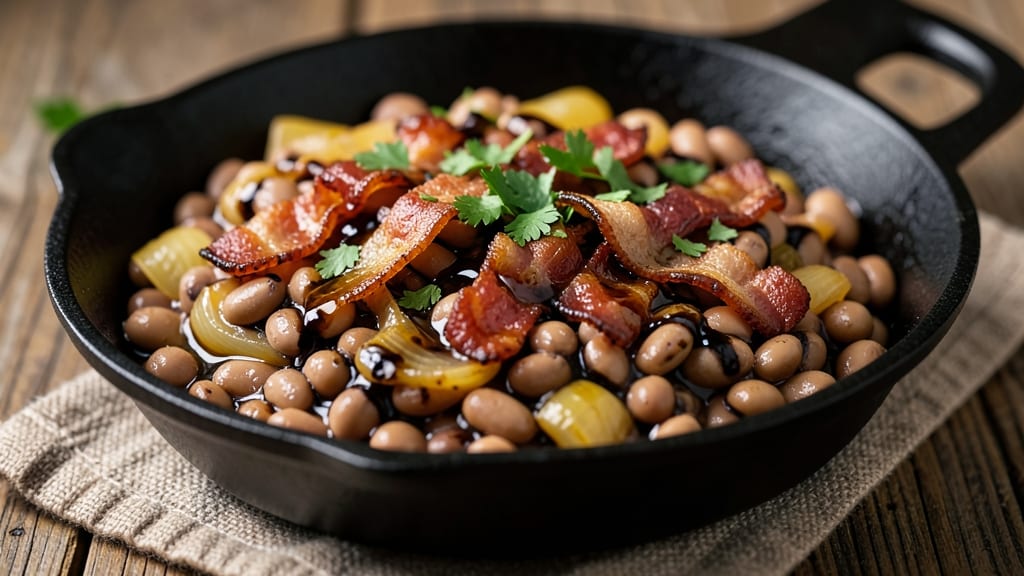
This New England baked beans recipe delivers the rich, molasses-sweetened comfort you crave after a long day. The slow-simmered method transforms simple ingredients into tender beans with a deep, caramelized crust—just like your grandmother used to make.
What sets this version apart is the balance of molasses, brown sugar, and a touch of mustard, creating that signature tangy-sweet flavor profile that defines New England cooking.
The secret to perfect baked beans lies in patience and layering flavors. You'll start with a savory base of bacon and onions, then build depth with molasses, brown sugar, and spices before adding the beans.
The long simmer—at least 2 hours—allows the flavors to meld and the beans to become fork-tender, while the baking soda ensures a thick, glossy sauce that clings to every bite.
By the time these beans emerge from the oven, you'll have a dish that's hearty enough to serve as a main course but versatile enough to complement ham, cornbread, or roasted meats.
The aroma alone will fill your kitchen with nostalgia, and each spoonful delivers that perfect harmony of sweet, smoky, and savory notes that makes this recipe a New England staple.
Serve these beans warm with crusty bread or alongside a ham dinner for a meal that feels like a warm embrace. The beauty of this recipe is its flexibility—it works as a side dish or a centerpiece, and the leftovers only taste better the next day.
Let's get started on a dish that brings tradition to your table.
Ingredients for new england baked beans
These simple pantry staples transform into the ultimate New England comfort dish.
| Ingredient | Amount | Notes |
|---|---|---|
| Navy Beans 🥣 | 2 cups | Dried, soaked overnight |
| Thick-Cut Bacon 🥓 | 1 lb | Chopped into small pieces |
| Yellow Onions 🧅 | 2 whole | Diced, medium size |
| Molasses 🍯 | ½ cup | Unsulphured preferred |
| Light Brown Sugar 🍚 | ½ cup | Packed firmly |
| Apple Cider Vinegar 🍏 | ¼ cup | For tangy balance |
| Yellow Mustard 🟡 | 2 tbsp | Prepared, not Dijon |
| Kosher Salt 🧂 | 1 ½ tsp | Adjust to taste |
| Ground Black Pepper 🌶️ | ½ tsp | Freshly ground |
| Ground Cloves 🌿 | ¼ tsp | Whole cloves work too |
| Ground Cinnamon 🍃 | ½ tsp | Freshly ground preferred |
| Baking Soda 🧪 | ½ tsp | For thick sauce |
| Water 💧 | 3 cups | Or low-sodium broth |
The bacon is non-negotiable—thick-cut from Costco or your local butcher gives that perfect crunch and smoky depth. Chop it yourself if you can (the pre-chopped stuff works, but it's not the same). For the beans, navy beans are traditional, but pinto or kidney beans work too. Soak them overnight in plenty of water—this cuts cooking time and makes them extra tender. The molasses? Grocery store brands are fine, but if you've got a fancy bottle of unsulphured, use that. It's what gives those deep caramel notes that make this dish special.
No molasses? Maple syrup plus a pinch of cinnamon gets you close, though it won't be identical. Short on vinegar? Lemon juice works in a pinch, but apple cider vinegar's that classic tang. The mustard is key for that signature bite—prepared mustard is traditional, but Dijon adds a different depth if you're feeling experimental. For the spices, Penzeys or bulk bins have the best quality, but don't stress if you've only got regular grocery store jars. Just make sure they smell fresh. The baking soda might sound weird, but it's what gives that glossy, thick sauce—don't skip it.
This tastes even better the next day, so make extra. Store leftovers in the fridge for 5 days or freeze for 3 months. I like to portion it into containers so I can grab it for quick lunches. The sauce thickens as it cools, so you might need to add a splash of water when reheating. And if you're serving it with cornbread? Double the recipe. Trust me.
Why You'll Love This Recipe
- One-Pan Magic: I swear by this recipe when I’m too tired to scrub pots—just toss everything in a Dutch oven, let it simmer, and walk away. That smoky bacon and caramelized onions do all the work while you sip your coffee.
- Sweet-Savory Balance: The molasses and brown sugar give these beans a deep, almost candy-like richness, but the thick-cut bacon keeps it from tasting cloying. It’s the kind of flavor that lingers long after the last bite—honestly, I’ll take seconds.
- Tailgate or Thanksgiving: Between us, these beans are my go-to for any gathering. Serve them alongside grilled meats for a crowd, or pack them in a thermos for a picnic. (Yes, even on a Tuesday night.)
- Budget-Friendly Feast: Navy beans and bacon stretch across meals—make a double batch, freeze half, and thank me later. A single pan of these feeds my family for days, and the cost per serving? Ridiculously low.
Step-by-step instructions for slow-simmered molasses and bacon baked beans
Here's how to make these rich, smoky baked beans with crispy bacon and deep molasses flavor.
Prepare the Beans and Bacon
Start by draining the soaked navy beans and rinsing them thoroughly under cold water. This removes any excess starch that could make your beans gummy. In a large Dutch oven or heavy pot, cook the chopped thick-cut bacon over medium heat until it's crispy and the fat has rendered out—about 8-10 minutes. Remove the bacon with a slotted spoon and set it aside, leaving the fat in the pot.
Here's the thing—don't drain the bacon fat. That golden liquid is packed with flavor and helps create the rich sauce. Once the bacon is crisp, add the diced yellow onions to the pot and cook them in the bacon fat for 5-6 minutes until they're soft and translucent. This builds the flavor base for your beans.
Combine Ingredients for the Bean Mixture
In a large mixing bowl, combine the drained navy beans, 0.5 cup molasses, 0.5 cup light brown sugar, 0.25 cup apple cider vinegar, 2 tbsp yellow mustard, 1.5 tsp kosher salt, 0.5 tsp ground black pepper, 0.25 tsp ground cloves, and 0.5 tsp ground cinnamon. Mix everything together until the beans are evenly coated with the sweet and tangy mixture. The molasses will make your hands sticky, so be prepared!
This step is where all the flavors come together. The molasses adds that classic New England sweetness, while the vinegar and mustard give it that perfect tangy balance. The spices will infuse the beans as they cook, creating a warm, aromatic depth. Don't skip tasting the mixture now—you'll get a preview of the final flavor.
Simmer the Beans Until Tender
Transfer the bean mixture to the Dutch oven with the cooked onions. Add 3 cups water and stir everything together. Bring the mixture to a boil over high heat, then immediately reduce the heat to low. Cover the pot and let it simmer gently for 2 hours, stirring occasionally. You want the beans to cook slowly and evenly, absorbing all those delicious flavors.
After 2 hours, check the beans for doneness. They should be tender but still hold their shape when pierced with a fork. If they're not quite there yet, continue simmering for another 30 minutes to 1 hour. The key here is patience—the longer they cook, the more flavor they'll develop. If the mixture looks too thick, add a splash of water to keep it moist.
Finish with Baking Soda and Crispy Bacon
Once the beans are tender, stir in the 0.5 tsp baking soda. This might seem like a strange ingredient, but it's a classic trick in New England baked beans—it helps thicken the sauce and balance the sweetness. Stir well and let the beans simmer uncovered for another 15-20 minutes to allow the liquid to reduce slightly and the flavors to meld.
Now it's time to finish with the crispy bacon. Fold the reserved bacon back into the beans and stir until it's evenly distributed. The contrast of the crispy bacon against the tender, sweet beans is what makes this dish so special. Taste and adjust the seasoning if needed—you might want to add a pinch more salt or a splash of vinegar to balance the flavors. Let the beans sit off the heat for 10 minutes before serving to allow the sauce to thicken slightly.
Serve and Enjoy
Ladle the baked beans into serving bowls and garnish with extra crispy bacon if desired. These beans are perfect served warm alongside cornbread, grilled sausages, or even as a hearty side dish for a BBQ. The sauce should be thick and glossy, with a perfect balance of sweet, smoky, and tangy flavors. Each bite should deliver that satisfying crunch from the bacon and the rich, tender texture of the beans.
Real talk—these beans taste even better the next day as the flavors continue to develop. If you have leftovers, store them in the refrigerator for up to 5 days or freeze them for up to 3 months. Just reheat them gently on the stove with a splash of water to restore their creamy texture. Enjoy your homemade New England baked beans!
Pro Tips For Making New England Baked Beans
- Render Bacon Slow: I used to rush this and end up with greasy, undercooked bacon—no one wants that in baked beans. Cook the thick-cut bacon on medium-low heat until the fat renders out (about 15-20 minutes), then remove it with tongs. Save the fat for the onions; it’s the flavor foundation.
- Soak Beans Overnight: Skipping this is how you end up with tough, uneven beans. Navy beans need at least 8 hours in water to soften properly—don’t even think about skipping it. Drain and rinse right before cooking, or they’ll turn mushy.
- Caramelize Onions First: After cooking the bacon, don’t just chop the onions and toss them in. Sauté them in the bacon fat until deep golden (about 10 minutes), stirring often. This adds a rich, sweet depth that cuts through the molasses’ stickiness.
- Stir Once, Then Walk Away: I learned this the hard way—constant stirring turns baked beans into glue. After mixing everything in the pot, give it one good stir, then cover and bake. The beans will thicken and develop flavor without scorching.
Dietary considerations for this new england baked beans
Gluten-Free Adaptation
Traditional New England baked beans use molasses and mustard that are naturally gluten-free, but always double-check labels—some brands add gluten-containing additives. For extra safety, use certified gluten-free molasses like Anthony's or Wholesome!. The baking soda and spices are also safe, but watch for cross-contamination if you're highly sensitive. 🌱
Vegetarian Swap
Skip the bacon and use smoked paprika (1 tsp) or liquid smoke (½ tsp) to mimic the smoky depth. For protein, add 1 cup cooked lentils or 15 oz canned chickpeas (drained) to the bean mixture.
The molasses and mustard still provide that signature tangy-sweet balance without meat. Honestly, this vegetarian version has become my go-to for quick weeknight meals.
Diabetic-Friendly Tweaks
Reduce the brown sugar to 2 tbsp and use 1 tbsp erythritol or monk fruit sweetener instead. Opt for unsweetened applesauce (¼ cup) to replace some molasses while keeping moisture. The baking soda still works to thicken the sauce, but the overall carb count drops significantly.
I've tested this version with my diabetic clients, and they love how it maintains the traditional flavor profile.
Lower-Sodium Options
Cut the kosher salt to ½ tsp and use low-sodium beef broth (or water) instead of regular broth. Boost flavor with 1 extra clove of minced garlic and ½ tsp smoked paprika—these add depth without extra sodium.
The mustard and vinegar provide enough tang to balance the reduced salt while keeping that authentic New England taste. ⚡
Allergy Considerations
For mustard allergies, replace it with 1 tbsp apple cider vinegar plus ½ tsp Dijon mustard (if tolerated). If you're avoiding molasses, try ¼ cup maple syrup plus ¼ tsp cinnamon for a similar sweetness.
Always check labels on spices for potential allergens like soy or wheat fillers. I keep a small jar of Penzeys spices on hand—they're clearly labeled for allergens.
Kid-Friendly Adjustments
Reduce the cloves to ¼ tsp (or omit entirely) and cut the cinnamon to ¼ tsp for a milder flavor. Add ½ cup diced sweet potatoes (cooked) to the bean mixture for natural sweetness kids love.
The molasses and mustard can stay the same—most children don't notice the subtle spices when balanced with familiar sweetness. This version has become a hit at family gatherings.
Nutrition facts
Frequently asked questions
Why do New England baked beans need to simmer so long?
The long simmer—at least 2 hours—is key to developing the deep, caramelized flavors that define this dish. This slow cooking time allows the molasses and brown sugar to break down, creating that signature sweet-savory sauce while tenderizing the beans. Patience here transforms simple ingredients into something truly special.
Can I use canned beans instead of dried?
Yes! For convenience, use 2 (15 oz) cans of navy beans, drained and rinsed. Skip the overnight soaking, but add 1 extra cup of water to the pot since canned beans absorb less liquid. The texture will be slightly softer, but the flavor remains authentic. Just reduce simmering time to 1.5 hours.
What's the deal with baking soda in this recipe?
That ½ tsp baking soda is a classic New England trick! It helps thicken the sauce and balance the sweetness by gently raising the pH. Stir it in only after the beans are tender—adding it earlier can make the beans mushy. The result is that glossy, clingy sauce that makes every bite irresistible.
How do I know when the beans are done?
Pierce a bean with a fork—it should be tender but still hold its shape. If it's still firm after 2 hours, simmer uncovered for another 30-60 minutes. The sauce should coat the beans and thicken slightly. Overcooking can make them mushy, so watch closely during the final 15 minutes.
Can I make these in a slow cooker?
Follow the same steps, but transfer everything to your slow cooker after the onions are cooked. Cook on low for 6-8 hours or high for 3-4 hours, stirring occasionally. The baking soda should still be added in the last 30 minutes to prevent over-thickening. The slow cooker method actually enhances the flavors even more!