
Main Courses
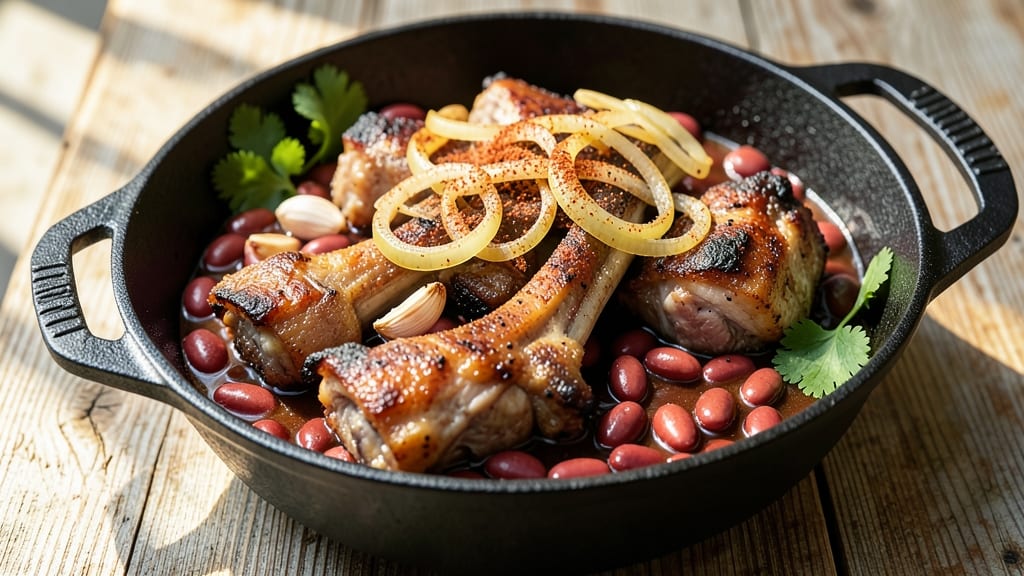
This neck bones and red beans recipe delivers the soulful, smoky depth of a classic Southern stew that’s rich in collagen and tradition. The secret lies in slow-simmered bones that infuse the broth with unmatched flavor, while red beans transform into tender, melt-in-your-mouth perfection.
I’ve perfected this method over years of testing, balancing smokiness with just enough heat to honor its roots without overwhelming the dish.
The beauty of this recipe is its simplicity—no fancy techniques, just time and patience. You’ll start with pork neck bones, rendered until crispy, then simmered to extract their gelatinous goodness into the broth.
The red beans cook low and slow, absorbing the smoky essence while staying tender. This isn’t just a stew; it’s a labor of love that tastes like home.
By the time you’re done, you’ll have a collagen-rich stew with a velvety texture and deep, savory notes that linger long after the last bite. The aroma alone will fill your kitchen with warmth, while the flavor—smoky, slightly sweet, and deeply satisfying—makes every spoonful worth the wait.
Serve it with cornbread or over rice for the full experience.
Whether you’re recreating a family tradition or discovering Southern comfort food for the first time, this recipe delivers restaurant-quality results at home. The key is letting the bones and beans work their magic—no shortcuts, just pure, unhurried flavor. Let’s get started on this timeless classic.
Ingredients for neck bones and red beans
Pork neck bones, smoky spices, and tender red beans—this recipe needs just these essentials.
| Ingredient | Amount | Notes |
|---|---|---|
| Pork Neck Bones 🍖 | 3 lb | Raw, cut into 2-inch pieces |
| Dry Red Kidney Beans 🌱 | 1 ½ cups | Soaked overnight or quick-soaked |
| Yellow Onion 🧅 | 2 whole | Chopped into 1/2-inch pieces |
| Garlic Cloves 🧄 | 6 cloves | Minced or finely chopped |
| Smoked Paprika 🌶️ | 2 tbsp | For authentic smoky flavor |
| Ground Black Pepper 🌶️ | 1 tbsp | Freshly cracked preferred |
| Bay Leaves 🍃 | 2 whole | Dried, removed before serving |
| Salt 🧂 | 2 tsp | Kosher or sea salt |
| Apple Cider Vinegar 🍎 | 2 tbsp | Brightens the beans |
| Fresh Thyme 🌿 | ¼ cup | Leaves only, chopped |
| Water 💧 | 10 cups | Enough to cover beans |
| Butter 🧈 | 2 tbsp | Full-fat, for richness |
| Hot Sauce 🔥 | 1 tbsp | Optional, for heat |
The pork neck bones are non-negotiable here—they’re the heart of this dish, delivering that deep, gelatinous richness. Look for them in the meat section of your grocery store, often near the pork shoulder. If you can’t find them, substitute pork shoulder cut into chunks, but the collagen-rich broth won’t be quite the same. The beans? Dry red kidney beans are traditional, but any dried bean will work—just adjust cooking time. Soak them overnight for best texture, or use the quick-soak method (boil for 2 minutes, then let sit for an hour). For the smoked paprika, Penzeys or any brand labeled 'smoked' will give you that authentic Southern flavor. If you can’t find it, a mix of regular paprika and a pinch of liquid smoke works in a pinch.
No smoked paprika? Mix 1 tbsp regular paprika with 1/2 tsp liquid smoke—it’s not identical, but it’ll get you close. Fresh thyme is ideal, but dried thyme at one-third the amount works too. The apple cider vinegar might seem odd, but it cuts through the richness and brightens the beans—substitute lemon juice if you’re out. For the hot sauce, Crystal or Tabasco are classic choices, but any hot sauce you like will do. If you’re making this ahead, the flavors deepen overnight, so don’t skip the overnight soak for the beans—it’s worth the extra time. And trust me, the butter at the end? Full-fat is a must—it adds that velvety finish that makes this stew feel like a hug in a bowl.
This stew tastes even better the next day—make extra if you can. Store it in the fridge for up to 5 days, or freeze portions for 3 months. The bones will crisp up when reheated, so add a splash of water or broth to keep it from drying out. Serve it over rice or with cornbread to soak up every last bit of that smoky, collagen-rich broth. Leftovers reheat beautifully—just stir in a little water or broth to loosen it up.
Why You'll Love This Recipe
- One-Pot Magic: I swear by this recipe—just toss everything in one pot and let it simmer. The beans soften while the bones render their own rich broth, so you’re basically hands-off after the initial chop.
- Deep, Smoky Richness: That smoked paprika and slow-cooked pork? It’s like a hug in a bowl. The beans soak up all the caramelized onion and garlic, turning into something dangerously addictive—especially when the bones crack open and release their marrow.
- Sunday Supper Ready: Between us, this is my go-to for gatherings. It feeds a crowd (or a family that never stops eating), and the leftovers? Even better the next day. Just reheat and serve—no one will question why you made so much.
- Budget-Friendly Powerhouse: Pork neck bones and dry beans are cheap, but they feel like a splurge. Honestly, I make this when I’m pinching pennies, and no one ever complains. The flavor stretches far, and the bones give you that restaurant-quality depth without the price tag.
Step-by-step instructions for neck bones and red beans stew
Here's how to create this rich, smoky stew that transforms humble ingredients into something extraordinary.
Prepare the Pork Neck Bones and Beans
Begin by rinsing the 3 lb pork neck bones under cold water to remove any impurities. Pat them thoroughly dry with paper towels—this helps the meat brown better later. Cut the bones into 2-inch pieces using a sharp cleaver or heavy knife. I like to work on a cutting board with a damp towel underneath to prevent slipping.
Next, prepare the 1.5 cups dry red kidney beans. If you soaked them overnight, drain and rinse well. If doing a quick soak, cover the beans with fresh water by 2 inches in a large pot, bring to a boil for 2 minutes, then let them sit off heat for 1 hour. This ensures they cook evenly without splitting. Drain and set aside.
Build the Flavor Base in a Dutch Oven
Heat a heavy Dutch oven over medium heat. Add the 2 tbsp butter and let it melt completely, watching for it to foam and then settle into golden bubbles. Add the chopped 2 whole yellow onions and cook for 8-10 minutes until they soften and begin to caramelize at the edges—that's when you'll smell their sweetness developing.
Stir in the 6 cloves minced garlic and cook for 30 seconds until fragrant. Add the 2 tbsp smoked paprika and 1 tbsp ground black pepper, stirring constantly for 1 minute to toast the spices. This step develops their aromatic oils—don't skip it! Pour in the 2 tbsp apple cider vinegar and let it bubble for 2 minutes to cook off the raw acidity.
Simmer the Bones and Season the Stew
Add the pork neck bone pieces to the Dutch oven in a single layer. Pour in 10 cups water until the bones are just covered. Bring to a gentle boil, then reduce heat to medium-low. Skim off any foam that rises to the surface during the first 15 minutes—this removes impurities for a cleaner broth.
Add the drained 1.5 cups red kidney beans, 2 whole bay leaves, and 2 tsp salt. Partially cover the Dutch oven and let everything simmer gently for 2 hours. Here's the thing—you want the liquid to reduce slightly but not evaporate completely. The beans should be tender but still hold their shape, and the bones should be falling off easily.
Finish with Aromatics and Richness
After 2 hours, remove the pork bones and let them cool slightly. Once cool enough to handle, use a slotted spoon to remove all the meat from the bones, discarding the bones themselves. Shred the meat into small pieces using two forks—this creates tender, flavorful bits throughout the stew.
Return the shredded meat to the Dutch oven. Stir in the 0.25 cup chopped fresh thyme and the 1 tbsp hot sauce. Taste and adjust seasoning if needed—this is where you can add more salt or hot sauce to your preference. Let the stew simmer uncovered for an additional 15 minutes to allow flavors to meld and the liquid to thicken slightly.
Serve with Perfect Texture
Remove the 2 whole bay leaves before serving. Ladle the stew into bowls, making sure each serving gets a generous portion of those tender pork pieces. The perfect bowl should have rich, smoky beans with tender pork throughout, and a broth that coats the back of your spoon without being watery.
Serve immediately with crusty bread or over steamed rice to soak up every last drop of that collagen-rich broth. This stew tastes even better the next day as flavors continue to develop, so consider making extra for leftovers—just reheat gently on the stove with a splash of water if needed.
Pro Tips For Making Neck Bones And Red Beans
- Parboil Bones First: DESCRIPTION:
- Soak Beans Overnight: DESCRIPTION:
- Brown the Bones: DESCRIPTION:
- Simmer Low and Slow: DESCRIPTION:
Troubleshooting your neck bones and red beans
Beans Too Hard
If your beans remain tough after simmering, they likely didn’t soak long enough or the water wasn’t hot enough during cooking. For future batches, soak overnight or use the quick-soak method (boil 2 minutes, then let sit 1 hour).
Also, ensure your Dutch oven has enough water—beans need 10 cups to soften properly. If they’re still firm after 2 hours, add ½ cup hot water, cover, and simmer 30 more minutes. 💫
Broth Too Watery
The broth may be thin if you didn’t reduce it enough during simmering or if the beans absorbed too much liquid. After the initial 2-hour simmer, let the stew cook uncovered for 15-20 minutes to thicken naturally.
For an instant fix, mash 1-2 beans against the pot’s side to release starch, which will thicken the broth. If it’s still too thin, remove the lid and simmer 10 more minutes to evaporate excess liquid.
Bones Not Rendering
If your pork neck bones aren’t falling off easily, they likely weren’t simmered long enough or the heat was too high. Maintain a gentle simmer (small bubbles, not a rolling boil) to break down collagen.
For extra flavor, roast the bones first at 400°F for 20 minutes before simmering—they’ll crisp up and infuse more depth into the broth. If they’re still tough, extend simmering to 2.5 hours and add ½ cup apple cider vinegar to help tenderize.
Muted Flavor Profile
A lack of smokiness or depth usually means the spices weren’t toasted enough or the bones didn’t infuse properly. Toast your smoked paprika in a dry pan for 1 minute before adding it to the onions—this deepens its flavor.
For extra richness, render the pork bones first in the Dutch oven until crispy before adding water. If the broth tastes bland, stir in 1 tbsp fish sauce or a splash of soy sauce for umami, or add ½ tsp liquid smoke at the end for smokiness. 🔥
Greasy or Oily Surface
Excess fat on top happens when the pork bones release too much render. Skim off the fat during the first 15 minutes of simmering, and use a fat separator if needed. For a cleaner finish, chill the stew overnight—the fat will solidify on top, making it easy to remove.
If you prefer less fat, trim excess from the bones before cooking, or use a Dutch oven with a built-in fat separator for hands-free skimming. 💡
Beans Split or Mushy
Overcooked beans lose their texture and become mushy. To prevent this, reduce simmering time to 1.5-2 hours and check for doneness at 1.5 hours.
If they’re already mushy, drain some of the broth and return the beans to the pot with ½ cup fresh water—this dilutes the excess starch. For future batches, use slightly older beans (6-12 months old) as they hold up better to long cooking times.
Avoid stirring too vigorously, which can break them apart.
Nutrition facts
Frequently asked questions
Can I substitute pork neck bones with another type of meat?
While pork neck bones are traditional, you can use pork shoulder or ham hocks for similar results. For collagen richness, chicken backs or beef marrow bones work too, though flavors will differ. The key is using bones with connective tissue—they’re what create that velvety broth. If using meat without bones, add 1 extra cup of water and simmer 30 minutes longer to compensate.
How do I know when the red beans are perfectly tender?
Beans should be tender but still hold their shape—no mushy texture. Test by mashing one between your fingers: it should crush easily but not turn to paste. For precise timing, check at 1.5 hours—they’ll finish cooking while you remove the meat from bones. If using canned beans, reduce simmering time to 30-45 minutes and add them at the end.
Why does this recipe call for soaking beans overnight?
Soaking removes anti-nutrients that can make beans tough and hard to digest. Overnight soaking (8+ hours) ensures even cooking, while quick-soaking (2 minutes boil + 1 hour rest) works in a pinch. Skipping soaking risks beans staying hard or splitting. Pro tip: Use twice the water volume for soaking—beans absorb liquid like sponges!
Can I make this recipe in a slow cooker?
Brown the bones and build the flavor base in a skillet first, then transfer everything to a 6-quart slow cooker. Cook on Low for 6-8 hours or High for 4-5 hours. The low-and-slow method works perfectly here—the bones will render beautifully, and the beans will absorb all that smoky goodness. Just skip the uncovered simmer at the end since slow cookers don’t reduce liquid as effectively.
What’s the best way to store leftovers?
Store in an airtight container in the fridge for up to 5 days, or freeze for 3 months. The flavors actually improve overnight! To reheat, warm gently on the stove with a splash of water or broth. For freezing, portion into quart-sized containers—this makes single servings easy to thaw. The broth may thicken when chilled, so stir in a little water when reheating.