
Main Courses
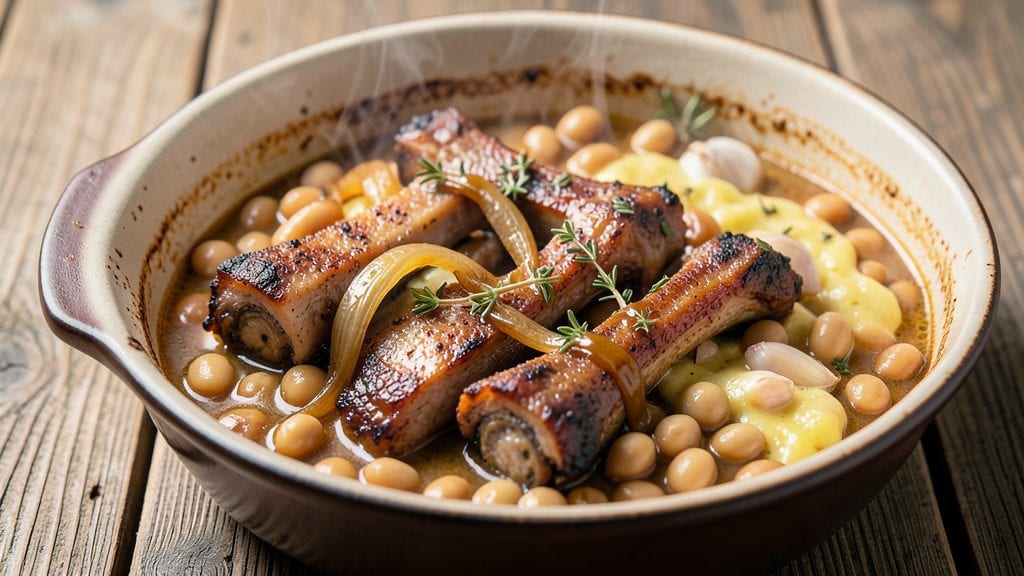
This neck bones and lima beans recipe delivers the soul-soothing comfort of a slow-simmered Southern classic, where collagen-rich broth transforms tough bones into tender, flavorful meat and creamy beans. The secret lies in low-and-slow cooking—allowing the bones to render their gelatinous essence while lima beans soften into velvety perfection.
I first discovered this technique at a family gathering where the aroma alone could fill an entire kitchen with warmth.
The beauty of this dish is its simplicity combined with depth—just a few core ingredients work together to create something extraordinary. Neck bones provide the rich, gelatinous foundation, while lima beans absorb the savory flavors of onions, garlic, and smoked paprika.
The slow simmer develops layers of complexity, turning basic pantry staples into a hearty meal that feels like a hug in a bowl.
What you'll end up with is a deeply flavorful broth, fork-tender meat that falls off the bone, and lima beans so tender they melt in your mouth.
The aroma alone will have everyone gathering around the table, while the first bite delivers that perfect balance of savory, smoky, and slightly sweet notes. This is the kind of dish that gets better with each passing hour and leaves everyone asking for seconds.
Perfect for cold evenings or family gatherings, this recipe serves as both a comforting main course and a way to honor traditional cooking methods. The leftovers reheat beautifully, making it ideal for meal prep or feeding a crowd. Let's get started on creating this timeless Southern classic.
Ingredients for neck bones and lima beans
Core ingredients that transform tough bones into velvety broth and tender beans through slow cooking.
| Ingredient | Amount | Notes |
|---|---|---|
| Pork Neck Bones 🦴 | 3 lb | Raw, uncooked, marrow bones preferred |
| Dry Lima Beans 🌱 | 1 ½ cups | Picked over for stones, soaked overnight |
| Yellow Onions 🧅 | 2 whole | Medium size, sliced into half-moons |
| Garlic Cloves 🧄 | 6 cloves | Peeled, smashed with side of knife |
| Smoked Paprika 🌶️ | 2 tbsp | High-quality, not smoked paprika blend |
| Dried Thyme 🌿 | 1 tbsp | Or 1 tbsp fresh thyme leaves |
| Bay Leaves 🍃 | 2 whole | Standard dried leaves, not powdered |
| Salt 🧂 | 1 ½ tsp | Kosher or sea salt, not iodized |
| Black Peppercorns 🌶️ | 1 tsp | Freshly cracked, not pre-ground |
| Apple Cider Vinegar 🍎 | 2 tbsp | For brightening flavors |
| Water 💧 | 8 cups | Filtered or spring water preferred |
| Butter 🧈 | 2 tbsp | Unsalted, for finishing |
The neck bones are the heart of this dish—look for marrow bones at your local butcher or specialty market like Whole Foods or Costco. These bones contain the richest collagen, which dissolves into gelatin during slow cooking. If you can't find marrow bones, regular neck bones work fine, though they'll yield slightly less gelatin. The lima beans should be dry, not canned—soaking overnight reduces cooking time and prevents them from becoming mushy. Bob's Red Mill or Anthony's Goods are reliable brands for quality dry beans.
No smoked paprika? Substitute 1 tbsp regular paprika plus 1/2 tsp liquid smoke for similar depth. Short on thyme? Dried oregano at half the amount works, though it lacks the earthy complexity. The apple cider vinegar is non-negotiable—it brightens the broth and balances the richness. For the beans, if you can't soak them overnight, boil them for 2 minutes first to soften their skins. The butter at the end adds a luxurious finish, but olive oil works in a pinch if you're watching fat content.
This dish rewards patience—simmering for 4-6 hours develops the deepest flavors. Store leftovers in the fridge for up to 5 days, though they taste even better the next day as flavors meld. For freezing, portion into airtight containers and keep for up to 3 months. The broth alone makes a fantastic base for soups or gravies, while the beans pair beautifully with cornbread or crusty bread. Double the recipe if you're feeding a crowd—it's worth the extra effort.
Why You'll Love This Recipe
- One-Pot Magic: I swear by this recipe when I don’t want to wash a second pot. The neck bones and beans simmer together—no straining, no fuss—just rich, smoky flavor building right in the same pot. Honestly, that’s my kind of cooking.
- Smoky Depth in Every Bite: The smoked paprika and slow-cooked pork neck bones give this dish a soulful, almost barbecue-like richness. That crispy edge on the bones? You’ll want to lick the plate clean—no exaggeration.
- Weeknight Workhorse: This feeds a crowd or stretches into leftovers that taste just as good reheated. I’ve served it at family dinners, potlucks, and even lazy Sunday mornings. Between us, it’s the kind of dish that disappears fast.
- Budget-Friendly Feast: Pork neck bones are cheaper than cuts like ribs, and dry lima beans last forever. A single batch feeds four for two meals, and the flavor only gets better the next day. My wallet and my freezer both thank me.
Step-by-step instructions for neck bones and lima beans broth
This method delivers a deeply flavorful, collagen-rich broth with tender beans—perfect for Southern-inspired meals.
Prepare the Bones and Beans
Begin by rinsing the 3 lb pork neck bones under cold water to remove any debris, then place them in a large stockpot. Add the 1.5 cups dry lima beans, ensuring they're picked over for stones. Cover the beans with 8 cups water and bring to a boil over medium-high heat. Once boiling, reduce heat to low and simmer for 10 minutes to soften the beans slightly—this prevents them from breaking apart during the long cook.
While the beans simmer, peel and slice the 2 whole yellow onions into half-moons, then peel and smash the 6 cloves garlic with the side of a knife. Add these to the pot along with the 2 whole bay leaves, 2 tbsp smoked paprika, 1 tbsp dried thyme, 1.5 tsp salt, and 1 tsp black peppercorns. Stir gently to combine, ensuring the spices coat the bones and beans evenly.
Simmer for Deep Flavor Extraction
Pour in the 2 tbsp apple cider vinegar and bring the mixture back to a gentle boil. Skim off any foam or impurities that rise to the surface during the first 5 minutes of boiling—this ensures a clear, clean broth. Once the foam subsides, reduce heat to low and maintain a barely simmering temperature. Cover the pot and cook for 3 hours, stirring occasionally to prevent sticking.
The slow simmer is critical—it allows the collagen from the pork neck bones to break down into gelatin, creating a rich, velvety texture. If the liquid level drops below halfway, add hot water as needed to keep the bones submerged. After 3 hours, the beans should be tender but still hold their shape, and the broth should be deeply aromatic with a smoky, savory depth.
Finish and Strain for Clarity
After the 3-hour simmer, remove the pot from heat and let it sit for 10 minutes to allow any settled particles to sink. Carefully ladle the broth through a fine-mesh strainer lined with cheesecloth into a clean pot or bowl, pressing gently on the solids to extract maximum flavor without releasing sediment. Discard the bones, beans, and aromatics—though they’ve given everything they have to offer.
Return the strained broth to the pot and bring it back to a gentle simmer over low heat. Stir in the 2 tbsp unsalted butter, allowing it to melt completely and create a silky finish. Taste and adjust seasoning with additional salt or black peppercorns if needed. The broth should be rich, slightly sweet from the beans, and deeply savory with a hint of smokiness from the paprika.
Serve or Store for Later Use
For immediate use, serve the broth warm or hot, ladled over 1.5 cups dry lima beans (cooked separately if desired) or as a base for soups and stews. If storing, let the broth cool to room temperature, then transfer it to airtight containers. It will keep in the refrigerator for up to 5 days or freeze for up to 3 months, retaining its collagen-rich qualities for future meals.
The key to this broth’s success lies in patience—the longer it simmers, the more gelatinous and flavorful it becomes. Each sip should deliver a balance of hearty bean goodness and the deep umami richness of the pork neck bones, making it a cornerstone of Southern comfort food.
Pro Tips For Making Neck Bones And Lima Beans
- BLANCH BEANS FIRST: Dump those dry lima beans into boiling water for 2 minutes before adding to the pot—this softens their skins so they don’t split or turn mealy later. (Yes, even if the recipe says “soak overnight,” I’ve done both, and this is the difference between “fine” and “restaurant-quality.”)
- CRACK BONES HOT: After browning the neck bones, dump them into a cold pot with cold water—then bring to a boil. The sudden temperature shift cracks the bones faster, releasing more marrow and flavor into the broth. (I used to skip this, and the stock always tasted weaker.)
- SKIP THE CROWDED POT: If your pot is packed with bones, beans, and onions, the center won’t cook evenly. Simmer in batches if needed—start with half the beans, then add the rest later. (Trust me, your future self will curse you if you ignore this.)
- TOAST GARLIC LOW: Cook the minced garlic in the onions until it’s golden but not burnt—this takes 3–4 minutes on medium-low. Smoked paprika burns fast, so add it last and stir like you’re putting out a fire. (I’ve ruined this step three times; now I watch it like a hawk.)
Essential equipment for this dish
Stockpot Essentials
Your large stockpot is the workhorse of this recipe—I recommend a 6-8 quart Dutch oven like the Le Creuset Stoneware or All-Clad Stainless Steel for even heat distribution. The deep sides prevent spills during the long simmer, while the heavy base maintains consistent temperatures.
If you don’t own one, a 6-quart stainless steel pot with a tight-fitting lid works too. Just ensure it’s large enough to accommodate the 3 lb neck bones without crowding. 🔥
Precision Thermometer
A meat thermometer with a probe is non-negotiable for monitoring internal temperatures. I use the ThermoWorks Smoke to track the broth’s temperature—it should stay between 180-200°F during the slow simmer.
This range ensures collagen extraction without boiling off flavors. For budget-friendly options, the OXO Good Grips is reliable and easy to read. 🌡️
Fine-Mesh Strainer
Straining the broth requires a fine-mesh strainer (like the OXO Good Grips) lined with cheesecloth for clarity. This removes impurities while preserving the gelatinous richness. If you lack cheesecloth, a double-layered coffee filter works in a pinch.
Pro tip: Press the solids gently to extract every last drop of flavor without releasing sediment. 🧄
Cheesecloth or Muslin
For ultra-clear broth, cheesecloth or muslin fabric is ideal. Fold it into a square and place it over the strainer to catch fine particles. Brands like Amazon Basics or KitchenCraft offer affordable options.
If you’re short on time, a clean kitchen towel can substitute, though it may not filter as finely. 🧺
Immersion Blender
An immersion blender (such as the Ninja CB101) lets you blend the broth directly in the pot for a silky texture without transferring liquids. Pulse briefly if you prefer some bean chunks for heartiness. Avoid over-blending—just 10-15 seconds is enough to emulsify the gelatin without turning it slimy. 💫
Slow Cooker Option
For hands-off cooking, a 6-quart slow cooker (like the Hamilton Beach) works wonders. Set it to Low for 8 hours or High for 5 hours, then strain and finish with butter.
The slow cooker’s gentle heat mimics the stockpot’s precision, though you’ll lose some control over skimming foam. Perfect for weeknight prep! ⏰
Nutrition facts
Frequently asked questions
Why do we soak lima beans overnight for this recipe?
Soaking removes anti-nutrients that can cause digestive discomfort and reduces cooking time by 30-40%. The beans absorb water and soften, preventing them from breaking apart during the long simmer. For a shortcut, boil them for 2 minutes first to soften skins before adding to the broth.
Can I substitute pork neck bones with chicken or beef?
Yes, but flavors will differ. Beef neck bones yield a deeper, richer broth (simmer 5-6 hours), while chicken bones cook faster (2-3 hours) but create a lighter broth. Pork strikes the perfect balance for this Southern classic.
What if my broth turns cloudy after straining?
Cloudiness often means residual fat or fine particles. For crystal-clear broth, chill it overnight—the fat solidifies and can be skimmed off. Alternatively, strain through a coffee filter lined with cheesecloth for extra fineness. Never boil vigorously after straining, as this can re-emulsify particles.
How can I make this dish vegetarian?
Replace neck bones with mushroom stems or kelp strips for umami depth, and use vegetable broth instead of water. Add 1 tbsp soy sauce or miso paste to mimic the meaty richness. The beans will still absorb flavors beautifully, though collagen benefits will differ.
Can I use canned lima beans instead of dry?
While possible, dry beans develop deeper flavor through the slow cook. If using canned, drain and rinse them well, then simmer in the broth for only 20-30 minutes to avoid mushiness. For best results, stick with dry beans soaked overnight—they transform into velvety perfection.