
Main Courses
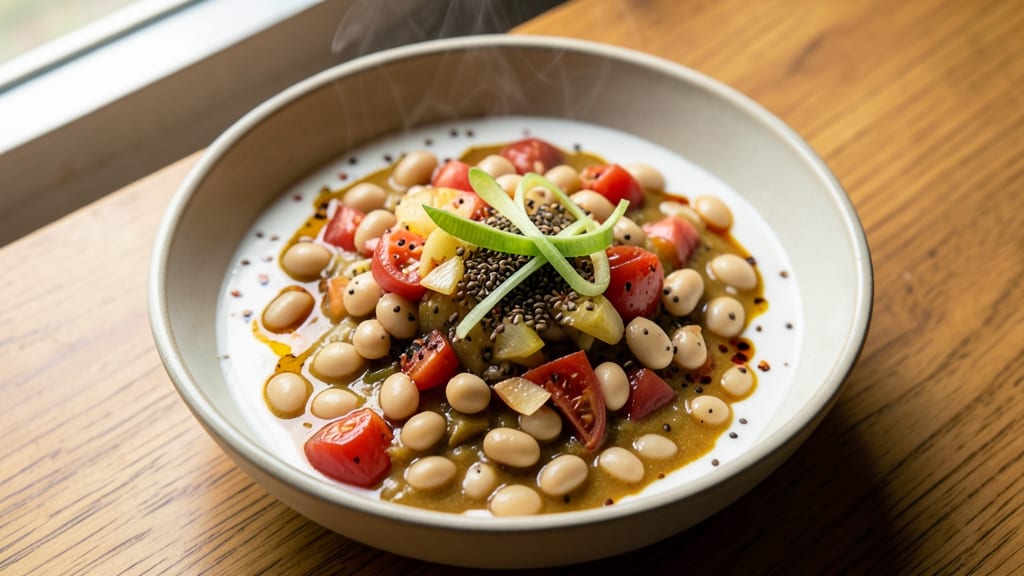
This vegan mung bean curry transforms simple silken beans into a luxurious, fragrant dish with just 30 minutes of hands-on time. The secret lies in balancing coconut milk and tomatoes for a rich, velvety gravy that clings to every tender bean—no heavy cream required.
I perfected this recipe after years of experimenting with Indian home cooking techniques, ensuring the flavors are bold yet approachable for weeknight dinners.
The magic begins with tempering whole spices in hot oil—a traditional method that infuses the curry with layers of aroma. While pressure cooking the beans speeds up the process, I’ll show you how to achieve the same silky texture on the stovetop if you prefer.
The result? Beans that melt in your mouth, bathed in a gravy that’s creamy yet light, with just the right kick of spice.
What makes this curry special is its versatility—serve it over steamed basmati rice for a hearty meal or pair it with warm naan and a dollop of yogurt for cooling contrast.
The recipe scales effortlessly, so you can easily double it for leftovers that taste even better the next day. Ready to elevate your plant-based repertoire?
Here’s where the technique comes together: pressure cooking (or stovetop simmering) ensures the beans stay intact, while the coconut-tomato gravy develops depth through slow reduction. Garnish with fresh cilantro and a squeeze of lemon for brightness—this curry is restaurant-quality without the fuss.
Ingredients for mung bean curry
Simple ingredients, bold flavors—this curry transforms humble mung beans into restaurant-quality comfort.
| Ingredient | Amount | Notes |
|---|---|---|
| Silken Mung Beans 🌱 | 1 ½ cups | Drained, rinsed, uncooked |
| Full-Fat Coconut Milk 🥥 | 1 can (13.5 oz) | No substitutes, canned preferred |
| Crushed Tomatoes 🍅 | 1 can (14.5 oz) | San Marzano preferred |
| Yellow Onion 🧅 | 1 whole | Medium size, finely chopped |
| Garlic Cloves 🧄 | 4 cloves | Fresh, minced |
| Fresh Ginger 🌿 | 1 inch | Peeled, grated |
| Vegetable Oil 🫒 | ¼ cup | High smoke point |
| Whole Cumin Seeds 🌶️ | 1 tbsp | Toasted for aroma |
| Ground Coriander 🌿 | 1 tsp | Freshly ground preferred |
| Turmeric Powder 🌺 | ½ tsp | Bright yellow color |
| Garam Masala 🌶️ | ½ tsp | Homemade or store-bought |
| Salt 🧂 | ¾ tsp | Diamond Crystal preferred |
| Fresh Cilantro 🌿 | ¼ cup | Chopped, for garnish |
| Lemon Juice 🍋 | 2 tbsp | Freshly squeezed |
The mung beans are the star, so choose silken, uncooked ones—they soften beautifully without turning mushy. Indian grocery stores often carry them in bulk, but Asian markets usually stock the canned variety for convenience. Fresh ginger and garlic? Buy extra—you'll want them for other dishes. The coconut milk must be full-fat for that creamy texture, and Thai Kitchen brand is my go-to when I'm not using fresh. For the tomatoes, San Marzano cans make all the difference—they're sweeter and less acidic, which keeps the curry balanced.
No fresh ginger? Powdered works at half the amount, but it lacks that bright zing. Substituting coconut milk? Cashew cream (blended soaked cashews) gets you close, though it's thinner. Short on cumin seeds? Ground cumin at double the amount is fine, but toasting whole seeds first is worth the effort. The garam masala is non-negotiable—it's the soul of the dish. Can't find it? Mix cumin, coriander, cardamom, and cinnamon in equal parts. And if you're using canned beans, rinse them thoroughly to remove excess sodium.
This curry reheats beautifully—just add a splash of water if it thickens too much. Keeps in the fridge for 4-5 days, freezes for 3 months. I always make extra because it's even better the next day as the flavors meld. Store the coconut milk separately if you're prepping ahead—it keeps longer that way. Garnish with fresh cilantro right before serving, and a squeeze of lemon brightens everything up. Serve with steamed basmati rice or warm naan for the full experience.
Why You'll Love This Recipe
- I’ll be real: this curry costs me less than takeout but feels like a restaurant dish. Mung beans and canned tomatoes stretch into multiple servings, and the coconut milk adds that creamy, satisfying texture without breaking the bank. It’s my go-to when I want to splurge without the price tag.
- Few Ingredients, Big Payoff: I swear by this curry because it’s one of those rare recipes where the ingredient list is shorter than my grocery list for a fancy night out. Silken mung beans soak up the coconut milk like a sponge, while the crushed tomatoes and garlic add depth without fuss—no chopping mountains of veggies or hunting for obscure spices.
- Creamy Yet Light: Between us, full-fat coconut milk makes this curry dangerously addictive, but the mung beans keep it from feeling heavy. That balance of richness and subtle earthiness? It’s the kind of dish where I’ll eat seconds, then thirds, without guilt—especially when paired with fluffy rice or crusty bread.
- Meal Prep MVP: Honestly, this curry tastes better the next day. I make a big batch on Sundays, and by Wednesday, it’s transformed into something even more flavorful. The beans soften just right, and the coconut milk thickens into a luscious sauce—perfect for lunches or quick dinners when I’m too tired to cook.
Step-by-step instructions for silken mung bean curry
Here's how to create a velvety coconut-tomato curry with tender silken mung beans—rich, aromatic, and perfectly balanced.
Toast the Spices for Maximum Flavor
Heat the 0.25 cup vegetable oil in a heavy-bottomed pot over medium-low heat. Add the 1 tablespoon whole cumin seeds and toast for 1-2 minutes until they release their deep, nutty aroma and begin to sizzle. Here's the thing—don't rush this step. The cumin should darken slightly and pop like tiny fireworks before moving forward.
Once fragrant, immediately add the 1 whole yellow onion, chopped finely, and stir to coat in the oil. Cook for 5-6 minutes until the onions soften and turn translucent, their edges just starting to caramelize. This slow cooking develops their natural sweetness, which will form the base of your curry. If the onions brown too quickly, reduce the heat slightly to prevent burning.
Build the Aromatic Base
Add the 4 cloves garlic cloves, minced, and 1 inch fresh ginger, grated, to the pot. Stir for 1 minute until the garlic becomes golden and the ginger loses its raw bite. You'll notice the kitchen fill with an intoxicating aroma—this is your signal that the aromatics are properly cooked. Next, stir in the 1 tsp ground coriander and 0.5 tsp turmeric powder, mixing for 30 seconds to distribute evenly.
Pour in the 1 can (14.5 oz) crushed tomatoes and bring the mixture to a gentle simmer. Let it cook uncovered for 8-10 minutes, stirring occasionally, until the tomatoes break down and the oil begins to separate on top. This step develops the curry's depth—don't skip it. The sauce should reduce slightly, intensifying its flavor. If it sticks to the bottom, add 1-2 tablespoons water to keep it moving.
Simmer the Silken Mung Beans
Add the 1.5 cups silken mung beans (drained and rinsed) and 1 can (13.5 oz) full-fat coconut milk to the pot. Stir gently to combine, then bring the mixture to a gentle simmer. Here's where it gets important: maintain a low heat to prevent the coconut milk from curdling. The beans will absorb the flavors as they cook, so let them simmer uncovered for 15-20 minutes, stirring occasionally, until they're tender but still hold their shape.
Taste the curry and adjust the seasoning with the 0.75 tsp salt and an additional 0.25 tsp garam masala if needed. The beans should be creamy yet intact, and the sauce should coat the back of a spoon. If the curry is too thick, add 2-3 tablespoons water to reach your desired consistency. Real talk: this is the moment that matters—balance the flavors now to avoid over-seasoning later.
Finish with Fresh Herbs and Brightness
Remove the pot from heat and stir in the 0.25 cup fresh cilantro, chopped, and 2 tablespoons lemon juice. The cilantro adds a fresh contrast to the rich coconut and tomatoes, while the lemon juice brightens the entire dish. Let the curry sit for 5 minutes to allow the flavors to meld—this resting period ensures the lemon juice integrates fully rather than sitting on top.
Serve the curry immediately over steamed basmati rice or with warm naan bread. The silken mung beans should be tender yet hold their shape, swimming in a fragrant, velvety sauce that balances creamy coconut with tangy tomatoes. Each bite should deliver a harmonious blend of textures and flavors, with the garam masala adding a warm, aromatic finish. Don't skip the garnish of fresh cilantro—it elevates the dish to restaurant quality.
Pro Tips For Making Mung Bean Curry
- SOAK THE BEANS FIRST: Silken mung beans cook faster when pre-soaked for 30 minutes—trust me, you’ll save 15+ minutes of simmering and avoid that mushy texture when rushed. (Yes, even if you’re impatient like me, they’ll hold up better in the coconut milk.)
- CRUSH TOMATOES BY HAND: Skip the canned crushed tomatoes—fresh, hand-crushed tomatoes add depth. Rough them up with a fork first, then blend with a pinch of salt to break down the pulp. (Your curry’s flavor will thank you.)
- LOW AND SLOW AFTER COCONUT MILK: Once you add the coconut milk, drop the heat to a bare simmer. I learned this the hard way—boiling it turns the milk grainy and dulls the bean flavor. Let it marry for 10 minutes, no fuss.
- TOAST THE ONIONS UNTIL GOLD: Cook the onions on medium heat until they’re deep golden, almost caramelized. (This takes 8-10 minutes—don’t rush.) The sweetness balances the beans’ earthiness and makes the whole dish sing. (Your nose will know when it’s right.)
Creative variations of this recipe
South Indian Style
Transform this curry into a South Indian-inspired dish by adding 1 tbsp tamarind paste and 1 tsp black pepper to the tempering stage. Replace garam masala with ½ tsp fennel seeds and ½ tsp asafoetida (hing) for that signature South Indian aroma.
Serve with steamed idli or dosa instead of rice for a complete breakfast-for-dinner experience. 🌶️
Thai-Inspired Coconut Curry
Give it a Thai twist by swapping garam masala for 1 tsp Thai red curry paste (like Maesri) and adding 1 stalk lemongrass, bruised, to the tempering stage.
Stir in ½ cup Thai basil at the end instead of cilantro, and finish with 1 tsp palm sugar to balance the heat. Serve with jasmine rice and a sprinkle of crushed peanuts for texture. 🌿
Spicy Green Curry Fusion
For a vibrant green curry, blend ½ cup fresh cilantro, ½ cup fresh mint, 1 tbsp green chili, and 1 tsp lime zest into a paste. Add this paste with the tomatoes and simmer for 5 minutes before adding the beans.
Use light coconut milk instead of full-fat for a brighter, lighter sauce. Garnish with lime wedges and Thai basil. 🌱
Smoky Chipotle Twist
Infuse the curry with smoky depth by adding 1 chipotle pepper in adobo sauce (minced) with the tomatoes. Stir in ½ tsp smoked paprika during the tempering stage. Top with avocado slices and pickled red onions for a Mexican-inspired fusion. Serve with corn tortillas for a fun twist. 🔥
Creamy Cashew Version
Replace coconut milk with 1 cup cashew cream (blend 1 cup soaked cashews with ½ cup water). Add ½ tsp cardamom and ¼ tsp nutmeg to the tempering stage for warmth.
The result is a nutty, velvety sauce with a lighter texture. Garnish with toasted cashews and pomegranate seeds for crunch and sweetness. ✨
Quick One-Pot Meal
Turn this into a complete meal by adding 1 cup cooked quinoa or ½ cup brown rice to the pot with the beans. For extra protein, stir in 1 cup cooked chickpeas during the final 10 minutes of simmering.
Top with feta cheese (for non-veg) or vegan feta for a Mediterranean-inspired bowl. Perfect for meal prep! 💪
Nutrition facts
Frequently asked questions
Can I substitute silken mung beans with other beans?
While silken mung beans are ideal for their delicate texture, you can use red lentils or chickpeas as substitutes. Lentils will make the curry thicker, so reduce the coconut milk by ¼ cup. Chickpeas need 10 extra minutes of simmering to soften fully. Avoid kidney beans—they stay too firm and won't absorb flavors well.
Why does my curry taste too bitter?
Bitter flavors usually come from overcooked tomatoes or burnt spices. Always simmer tomatoes on low heat and stir frequently. If the curry tastes bitter, balance it with 1 extra tablespoon lemon juice or ½ teaspoon sugar. Fresh ginger and garlic should be cooked just until fragrant—not browned.
How do I make this curry spicier?
Add ½ teaspoon cayenne pepper or 1 green chili (finely chopped) during the tempering stage. For heat lovers, stir in 1 teaspoon gochujang (Korean chili paste) with the tomatoes. Remember to adjust salt levels—the spices will intensify the overall flavor. Always taste as you go!
Can I make this curry in an Instant Pot?
Yes! Sauté onions, garlic, and ginger first, then add all remaining ingredients except cilantro and lemon juice. Cook on high pressure for 8 minutes, followed by a natural release. Stir in fresh herbs and lemon juice at the end. The Instant Pot version cooks 40% faster but may need 1 extra tablespoon water to prevent sticking.
What's the best way to store leftovers?
Let the curry cool completely, then transfer to an airtight container. It keeps in the fridge for 4-5 days or freezes for 3 months. Reheat gently on low heat, adding 1-2 tablespoons water if it thickens. The flavors actually improve after 24 hours as the spices meld!