
Side Dishes
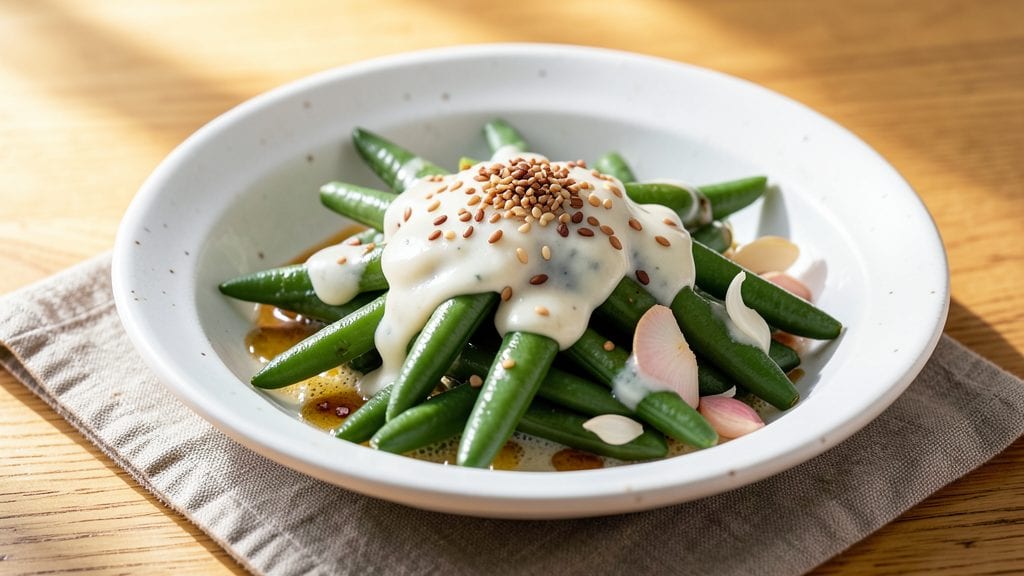
This miso green beans recipe transforms simple green beans into a savory, umami-rich side dish that pairs perfectly with everything from grilled meats to tofu bowls.
The secret lies in balancing sweet white miso with a touch of garlic and ginger, creating a glaze that caramelizes beautifully while keeping the beans crisp-tender.
I developed this recipe after realizing how often green beans were overlooked in favor of flashier sides—until I discovered how quickly they elevate a meal with just 15 minutes of active time.
The process is straightforward yet precise: blanching the beans preserves their vibrant color and crisp texture, while the miso glaze adds depth without overpowering.
A quick sauté in sesame oil unlocks the beans' natural sweetness, and the miso paste infuses them with that signature umami kick that makes every bite satisfying. This dish proves that sides can be just as flavorful as the main course, especially when you focus on technique over complexity.
What you’ll end up with is a platter of glossy, caramelized green beans with edges that are just crisp enough to hold the glaze, all while maintaining that satisfying crunch. The aroma of toasted sesame seeds and miso wafting from your kitchen will have everyone asking what’s for dinner.
Serve immediately for the best texture, or let it sit for 10 minutes if you prefer a slightly softer bite—though I’ve found the fresh-out-of-the-pan version is always the most popular.
This recipe works equally well as a standalone vegan dish or a complementary side, making it versatile for weeknight dinners, potlucks, or even as a garnish for ramen.
The beauty of miso green beans lies in their adaptability—swap in red miso for a deeper, earthier flavor or add a sprinkle of chili flakes for a touch of heat. Ready to transform a simple vegetable into a showstopper? Let’s get started.
Ingredients for miso green beans
Sweet miso, toasted sesame, and crisp green beans—this umami-packed side delivers restaurant-quality flavor in 15 minutes.
| Ingredient | Amount | Notes |
|---|---|---|
| Fresh Green Beans 🥦 | 1 ½ lb | Trimmed, cut into 2-inch pieces |
| White Miso Paste 🧈 | 2 tbsp | Sweet variety preferred, not salty |
| Sesame Oil 🫒 | 1 ½ tbsp | Toasted, not flavored |
| Fresh Garlic Cloves 🧄 | 2 cloves | Minced, not powdered |
| Fresh Ginger 🌿 | 1 tbsp | Finely grated, not powdered |
| Maple Syrup 🍁 | 1 tbsp | Pure, grade A preferred |
| Rice Vinegar 🍶 | 1 tbsp | Seasoned for balance |
| Toasted Sesame Seeds 🌰 | 1 tbsp | For garnish, not oil |
| Diamond Crystal Kosher Salt 🧂 | ½ tsp | Fine grain preferred |
| Red Chili Flakes 🌶️ | ½ tsp | Optional, for heat |
| Cold Water 💧 | 4 cups | For blanching beans |
| Ice Cubes ❄️ | 1 cup | For shocking beans |
The miso paste is the star here, so don’t skimp on quality. White miso from Miso Master or Hessian brands delivers that sweet, fermented depth—avoid the salty varieties. Fresh ginger and garlic? Always better than powdered. I grab mine from the Asian market section at Whole Foods or Trader Joe’s, where they’re often pre-peeled and ready to grate. For the green beans, harvest fresh or Trader Joe’s pre-trimmed ones save time. The sesame oil? Look for toasted—it’s got that nutty aroma that makes everything better. If you can’t find it, regular sesame oil works, but you’ll miss that extra layer of flavor.
No white miso? Red miso at half the amount gives a deeper, earthier taste, but the sweetness will be more pronounced. Running out of sesame oil? Avocado oil or neutral high-smoke-point oil works, but toast the seeds separately for that nutty crunch. Fresh ginger too fibrous? Powdered ginger at one-third the amount is fine, but you’ll lose the texture. The maple syrup can be swapped for agave nectar, but maple’s caramel notes play perfectly with the miso. Red chili flakes optional, but gochugaru (Korean chili flakes) adds a smoother heat if you’re feeling adventurous. And if you’re short on time, frozen green beans work—just thaw and pat dry before cooking.
Blanched beans keep for 3 days in the fridge, but the glaze is best fresh. Store the miso glaze (without beans) in a sealed jar for up to 1 week—it’s perfect for drizzling over tofu bowls or noodles later. For the full experience, reheat the beans gently in a skillet with a splash of water to revive that crisp-tender texture. Double the batch—it disappears fast, especially when paired with grilled meats or as a vegan ramen topping. The sesame seeds? Toast them fresh before serving—30 seconds in a dry pan makes all the difference.
Why You'll Love This Recipe
- Five-Ingredient Magic: I swear, this dish is one of those rare recipes where the ingredients list reads like a grocery store speed run. Fresh green beans get a quick blanch, then toss them with miso paste, garlic, and ginger—no fancy techniques, just good flavor. That’s it. Done.
- Umami Bomb: Between us, the miso paste is where this dish actually shines. It’s salty, deep, and a little funky in the best way—like a warm hug for your taste buds. Add a drizzle of sesame oil at the end, and suddenly, simple green beans taste like they’ve been in a Michelin-starred kitchen.
- Meal Prep MVP: This keeps like a champ in the fridge for at least three days, which means zero last-minute dinner stress. I double the batch on Sundays, pack it for lunches, and still have leftovers for a lazy Friday night. Bonus: it reheats beautifully—just toss it in a hot pan for 2 minutes.
- Budget Flex: Green beans are cheap, miso paste lasts forever, and garlic/ginger are pantry staples. Honestly, this is the kind of recipe that makes me feel like I’m feeding my family gourmet food without breaking the bank. The best part? No one will guess how affordable it is.
Step-by-step instructions for miso green beans recipe
Here's how to transform simple green beans into a restaurant-worthy dish bursting with umami and crunch.
Blanch and Shock the Green Beans
Bring the 4 cups cold water to a rolling boil in a large pot. While waiting, trim the ends from the 1.5 lb fresh green beans and cut them into 2-inch pieces. Once the water boils vigorously, add the beans and cook for exactly 3 minutes—this ensures they stay crisp-tender rather than mushy.
Immediately drain the beans and transfer them to a large bowl filled with 1 cup ice cubes. Let them sit for 2 minutes to halt cooking and preserve their vibrant green color. This shocking process also helps them hold their shape during the final stir-fry. Drain well before proceeding, as any excess water will dilute your miso sauce.
Create the Miso-Garlic Sauce
In a small bowl, whisk together the 2 tbsp white miso paste, 1.5 tbsp sesame oil, 1 tbsp maple syrup, 1 tbsp rice vinegar, 0.5 tsp diamond crystal kosher salt, and 0.5 tsp red chili flakes until completely smooth. The miso should dissolve evenly—if it's too thick, add 1 teaspoon cold water at a time until it reaches a pourable consistency.
Add the 2 cloves minced fresh garlic cloves and 1 tbsp finely grated fresh ginger to the sauce mixture. Stir well to combine, then set aside. This sauce is the heart of your dish—its sweet-savory balance comes from the miso and maple syrup working together while the vinegar brightens the flavors.
Stir-Fry the Beans to Perfection
Heat a large skillet or wok over medium-high heat until it's hot but not smoking. Add the blanched green beans in a single layer and let them sear undisturbed for 2-3 minutes, stirring occasionally, until they develop a few golden spots. This step builds texture and prevents the beans from turning soggy.
Pour the miso-garlic sauce over the beans and toss everything together for 1-2 minutes until the beans are evenly coated and the sauce has thickened slightly. You'll see the beans glisten with the sesame oil—this is your cue that the flavors are melding perfectly. The beans should be hot throughout but still retain their satisfying crunch.
Finish and Garnish
Transfer the miso green beans to a serving platter and sprinkle generously with 1 tbsp toasted sesame seeds. The seeds add a nutty crunch that contrasts beautifully with the tender beans. Taste and adjust seasoning if needed—you might want to add a pinch more salt or a dash of red chili flakes for extra heat.
Serve immediately while the beans are still vibrant and steaming. The contrast of textures—crisp beans, creamy sauce, and toasted seeds—makes this dish irresistible. These miso green beans pair perfectly with grilled proteins or as a standalone side that steals the show.
Pro Tips For Making Miso Green Beans
- Blanch First, Sear Second: Dump raw green beans straight into the pan with miso and garlic, and you’ll end up with a mushy, flavorless mess. Blanch them for 2 minutes in boiling salted water first—they’ll stay crisp, absorb the miso better, and finish cooking in seconds when you toss them back in the pan. (Yes, even if you’re impatient like me.)
- Toast the Miso: Skip this, and your dish will taste flat. Heat the white miso paste in a dry pan for 30 seconds until it just starts to smell nutty—this deepens its umami without burning. Then add garlic and ginger; they’ll caramelize faster and taste richer. (I learned this the hard way after serving bland green beans to skeptical guests.)
- Grate Ginger Fine: Chunky ginger slices won’t dissolve, and you’ll end up with weird texture bits in your sauce. Use a microplane or the smallest holes on a box grater—it should look like dust. This way, the ginger blends seamlessly into the miso, adding warmth without any surprises. (Your future self will thank you when you’re not picking out strings.)
- Finish with Cold Sesame Oil: Drizzle the sesame oil at the very end, right off the heat. If you add it too early, it’ll burn and taste bitter. A quick swirl right before serving gives you that bright, nutty aroma in every bite. (Does it look weird? Yes. Does it work? Every. Single. Time.)
Troubleshooting perfect results
Overcooked Beans Fix
If your green beans turn mushy, it’s likely from over-blanching or under-shocking. I’ve found that 3 minutes max in boiling water is critical—any longer breaks down their structure. After draining, shock in ice water for exactly 2 minutes (no longer!) to halt cooking.
For extra insurance, pat beans completely dry with a kitchen towel before stir-frying. This removes excess moisture that steams them further.
Miso Sauce Too Salty
White miso can vary in saltiness, so always taste before adding to the sauce. If your glaze is too salty, balance it with ½ tsp maple syrup or 1 tsp rice vinegar to brighten flavors.
For a milder miso experience, reduce the amount to 1.5 tbsp and add ½ tsp grated ginger to enhance sweetness naturally. Pro tip: Use Miso Master brand white miso—it’s consistently sweeter than generic store brands.
Sauce Too Thin
A runny sauce usually means too much liquid in the miso mixture. If your glaze separates or pools, let it simmer uncovered over low heat for 1-2 minutes to thicken. For immediate fixes, whisk in ½ tsp cornstarch mixed with 1 tsp water until smooth.
Alternatively, toss the beans with 1 tsp toasted sesame seeds while hot—they’ll absorb excess moisture and add texture.
Lacking Umami Depth
If your dish tastes flat, the miso might not have fermented long enough. Boost umami by adding ½ tsp soy sauce or 1 tsp white miso paste to the glaze. For a deeper flavor, stir in 1 tsp nutritional yeast (it’s vegan and adds a cheesy, savory note).
I also recommend toasting the sesame seeds in the dry pan for 30 seconds before adding them—their nutty aroma amplifies the miso’s complexity.
Uneven Cooking
Thick green beans (especially older ones) cook unevenly. To prevent this, cut them into even 2-inch pieces and blanch the thickest ones first. If some beans remain undercooked after stir-frying, return them to the pan for 30 seconds with a splash of water to steam gently.
For extra insurance, use Trader Joe’s pre-trimmed beans—they’re uniformly sized and cook consistently.
Storing Leftovers
Miso green beans reheat best in a skillet over medium heat with 1 tbsp water to revive crispness. Microwaving causes sogginess, so avoid it. Store leftovers in an airtight container for up to 3 days, but the glaze thickens when chilled.
To restore texture, toss reheated beans with ½ tsp sesame oil and a pinch of salt before serving. 💡
Nutrition facts
Frequently asked questions
Can I use frozen green beans instead of fresh?
Thaw frozen green beans completely first, then pat them very dry with a kitchen towel. They’ll need 1 extra minute of blanching time (4 minutes total) to ensure even cooking. The texture difference is minimal if you follow these adjustments—just expect slightly softer edges compared to fresh beans.
What's the best way to make this recipe spicier?
For extra heat, add 1 tsp gochugaru (Korean chili flakes) or ½ tsp sriracha to the miso sauce. For a smoky kick, sprinkle ¼ tsp smoked paprika over the finished dish. If you love fresh heat, top with thinly sliced jalapeños or a drizzle of chili oil after serving.
How do I make this dish nut-free?
Simply omit the sesame oil and toasted sesame seeds. Replace with 1 tbsp avocado oil and garnish with crispy fried shallots or extra red chili flakes instead. The flavor remains rich and umami-forward without any nuts. Always check your miso paste label too—some brands process in nut-free facilities.
Can I prep the miso sauce ahead of time?
Yes! Make the sauce up to 2 days ahead and store it in an airtight container in the fridge. When ready to cook, simply reheat the sauce gently over low heat for 2 minutes while stirring. The beans can be blanched and shocked up to 1 day ahead—just pat them completely dry before stir-frying to prevent sogginess.
What are good protein pairings for these green beans?
These miso green beans shine with grilled tofu, seared tempeh, or pan-seared chicken thighs. For seafood lovers, try pairing with shrimp skewers or miso-glazed salmon. The umami in the beans complements rich proteins beautifully, while their bright acidity cuts through fatty cuts like pork belly.