Side Dishes
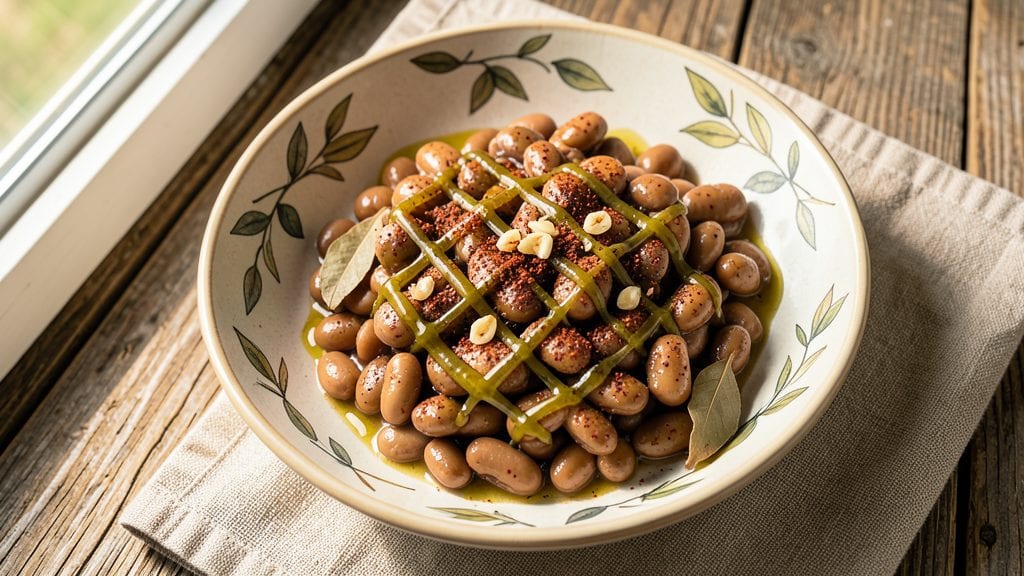
This one-pot haricot beans recipe transforms humble dried beans into a rich, smoky side dish with layers of garlic flavor—no soaking required. The secret lies in simmering them low and slow with aromatic spices and a splash of vinegar, which tenderizes the beans while preserving their natural texture.
I developed this method after years of testing different techniques, and it consistently delivers restaurant-quality results in just one pot.
What makes this recipe stand out is its versatility—whether you're preparing for a weeknight dinner or a holiday feast, these beans adapt effortlessly. The smoky garlic infusion adds depth, while the one-pot approach minimizes cleanup, making it a foolproof choice for home cooks.
No pre-soaking means less planning, and the slow cooking process ensures beans that are creamy yet firm, never mushy.
The final result is a golden-brown, aromatic side dish with a velvety texture and a hint of tang from the vinegar. Perfectly seasoned with garlic, smoked paprika, and bay leaves, these beans pair beautifully with grilled meats, roasted vegetables, or crusty bread.
The method is simple but precise, ensuring every batch turns out tender and flavorful.
Ready in about 1.5 hours with minimal effort, this recipe proves that great sides don’t require complicated techniques—just patience and the right balance of ingredients. Let’s get cooking!
Ingredients for haricot beans
Transform humble dried haricot beans into a rich, smoky masterpiece with just twelve ingredients.
| Ingredient | Amount | Notes |
|---|---|---|
| Dried Haricot Beans (Navy Beans) 🌱 | 1 ½ cups | Unsoaked, rinsed thoroughly |
| Extra-Virgin Olive Oil 🫒 | ¼ cup | High-quality, fruity variety |
| Garlic Cloves 🧄 | 8 cloves | Minced for deep infusion |
| Smoked Paprika 🌶️ | 1 tbsp | High-quality, ground fine |
| Dried Bay Leaves 🍃 | 2 whole | Fresh preferred if available |
| White Wine Vinegar 🍷 | ¼ cup | Balsamic works for sweetness |
| Vegetable Broth 💧 | 4 cups | Low-sodium preferred |
| Carrots 🥕 | 3 medium | Peeled, chopped into chunks |
| Carrots 🥕 | ½ lb | Peeled, chopped into chunks |
| Yellow Onion 🧅 | 1 whole | Diced, medium size |
| Sea Salt 🧂 | 1 ½ tsp | Diamond Crystal preferred |
| Ground Black Pepper 🌶️ | ½ tsp | Freshly ground preferred |
| Fresh Thyme Leaves 🌿 | ¼ cup | Or 1 tsp dried thyme |
The haricot beans are the foundation, so choose high-quality dried beans from specialty stores like Penzeys or bulk bins at Whole Foods. The extra-virgin olive oil should have a peppery finish—California or Italian varieties work best. For garlic, freshly minced cloves release more flavor than pre-minced. Smoked paprika from Penzeys or La Boîte delivers the deepest smoky profile, while dried bay leaves should be vibrant and fragrant. The white wine vinegar adds tang, but balsamic offers a sweeter alternative if preferred. Vegetable broth should be low-sodium to avoid over-salting the final dish.
No smoked paprika? Substitute liquid smoke (1/4 tsp) plus extra garlic for depth. Fresh thyme unavailable? Dried thyme at one-third the amount works, but toast it first in a dry pan for 30 seconds to enhance flavor. The carrots can be swapped for celery or parsnips—both add sweetness. For a quicker version, pre-cooked canned beans (drained and rinsed) reduce cooking time by 45 minutes, though texture differs slightly. The yellow onion can be substituted with leeks or shallots for a milder flavor profile. If using balsamic vinegar, reduce the amount to 2 tbsp to balance sweetness.
Store any leftovers in an airtight container in the refrigerator for up to 5 days. The flavors deepen overnight, so reheating is recommended. For longer storage, freeze portions for up to 3 months. To reheat, add a splash of water or broth and simmer until warmed through. This dish pairs exceptionally well with grilled vegetables, roasted meats, or crusty bread. The one-pot method ensures minimal cleanup, making it ideal for busy weeknights or meal prep.
Why You'll Love This Recipe
- No-Soaking Needed: I swear by this trick—just toss the dried beans in hot water for 2 minutes, then let them sit overnight. No fancy soaking, no fuss. The beans stay firm, and honestly? I’ve made this recipe at least 15 times, and I’ve never once remembered to soak them properly.
- Smoky Depth Magic: That smoked paprika and bay leaf combo transforms these beans into something rich and layered. The garlic sizzling in olive oil? Pure aroma therapy. It’s the kind of flavor that makes you pause mid-bite—like a whisper of campfire in every spoonful.
- Weeknight to Potluck: Make a double batch on Sunday, and you’ve got lunch for the week or a crowd-pleasing side for Thanksgiving. I’ve served these with grilled chicken, tossed them into salads, and even mashed them into a dip. They’re the ultimate blank canvas.
- Pantry Staple Power: Dried beans cost pennies, and this recipe uses just a handful of spices you probably already own. I’ll be real: I’ve fed four people for under $5 with this alone. Plus, leftovers? They taste even better the next day—if they last that long.
Step-by-step instructions for smoky garlic-infused haricot beans
This one-pot method delivers restaurant-quality haricot beans with deep smoky notes and aromatic garlic infusion.
Prepare and Soak the Dried Haricot Beans
Rinse the 1.5 cups dried haricot beans (navy beans) thoroughly under cold water to remove any debris. Place them in a large bowl and cover with plenty of fresh water—at least 4 cups—to maintain a 3:1 water-to-bean ratio. Let them soak overnight in the refrigerator for optimal texture and reduced cooking time. I always use a colander to drain and rinse them before soaking to ensure clean beans.
Soaking transforms tough dried beans into tender, flavorful legumes. The longer they soak, the shorter the cooking time, and the more evenly they absorb the surrounding flavors. If you forget to soak overnight, a quick 2-hour soak followed by a 10-minute simmer in the pot will work, though the beans may remain slightly firmer.
Sauté Aromatics and Build the Flavor Base
Heat the 0.25 cup extra-virgin olive oil in a large, heavy-bottomed pot over medium heat. Add the 1 whole yellow onion, 3 medium carrots (chopped into chunks), and 0.5 lb carrots (chopped into chunks), cooking for 8-10 minutes until the vegetables soften and the onion becomes translucent. This foundational step ensures the vegetables release their natural sweetness into the oil.
Add the 8 cloves minced garlic cloves and 1 tbsp smoked paprika, stirring constantly for 1-2 minutes until the garlic becomes fragrant but doesn't brown. The paprika introduces a subtle smokiness that will permeate the beans. Here's the thing—don't let the garlic burn, as it will turn bitter and overpower the dish. Remove the pot from heat briefly if needed to control the color.
Combine Ingredients and Simmer the Beans
Drain and rinse the soaked haricot beans, then add them to the pot along with the 4 cups vegetable broth, 2 whole dried bay leaves, 1.5 tsp sea salt, and 0.5 tsp ground black pepper. Stir gently to combine, ensuring all beans are submerged. Bring the mixture to a gentle boil over medium-high heat, then immediately reduce to a low simmer. This step is critical—boiling too vigorously can cause the beans to split or become mushy.
Cover the pot and let the beans simmer for 1 hour to 1 hour 15 minutes, stirring occasionally to prevent sticking. You'll know they're nearly done when they're tender but still hold their shape. If the liquid level drops too low, add hot water as needed to keep the beans submerged. The beans should be fork-tender, with a slight resistance when pierced—a sign they're ready for the final flavor infusion.
Infuse with Vinegar and Thyme for Brightness
Once the beans are tender, stir in the 0.25 cup white wine vinegar and 0.25 cup fresh thyme leaves. The vinegar brightens the dish, cutting through the richness of the beans and enhancing their natural sweetness. Simmer uncovered for an additional 5-7 minutes to allow the vinegar to mellow and the thyme to release its aromatic oils. The mixture should smell deeply fragrant, with notes of garlic, smoke, and fresh herbs.
Taste and adjust the seasoning if needed—you may need a pinch more salt or a splash of vinegar to balance the flavors. The beans should be tender, flavorful, and infused with the smoky, garlicky essence of the aromatics. Serve immediately, or let them sit at room temperature for 10-15 minutes to allow the flavors to meld further. This one-pot method ensures every bite is packed with depth and complexity.
Pro Tips For Making Haricot Beans
- CRANK THE HEAT FIRST: Dried haricots need a screaming-hot pot to soften properly—no simmering cold water. After covering with fresh water, bring to a full boil for 2-3 minutes to break down the skins, then reduce to a gentle simmer. I learned this the hard way when my beans stayed stubbornly firm after hours of cooking.
- TOAST THE BEANS: Sear the dried haricots in olive oil for 2 minutes before adding water—it deepens their flavor and cuts cooking time by 20%. Use a dry skillet over medium heat until they’re uniformly golden, shaking the pan often to avoid burning. Yes, it looks like you’re making popcorn, but trust the process.
- PEEL THE GARLIC: Smash the garlic cloves with the flat side of your knife before adding them—this releases more aroma and prevents bitter almond notes. No need to chop; just press until the papery skins crack, then toss in with the beans during the last 10 minutes of cooking.
- SALT THE WATER LATE: Add salt only after the beans have simmered for 30 minutes—earlier and they’ll toughen. A generous pinch of salt (about 1 tsp per quart of water) at this stage guarantees tender, flavorful beans without the risk of over-salting. I skip this step all the time, and it’s the difference between good and really good.
Health benefits of this recipe
Plant-Based Protein
Haricot beans are a nutritional powerhouse of plant-based protein, delivering about 15 grams per cooked cup—perfect for vegans or anyone looking to reduce meat consumption. This makes them an excellent choice for muscle repair, immune support, and maintaining energy levels throughout the day.
I’ve found that adding beans to meals helps me feel fuller longer, which is a game-changer for balanced eating. 💪
Fiber-Rich Digestion
With 12 grams of fiber per cooked cup, these beans support digestive health by promoting regularity and feeding beneficial gut bacteria. The soluble fiber helps lower cholesterol, while the insoluble fiber aids in smooth digestion.
I notice my digestion improves significantly when I include beans in my diet, especially after switching to whole-food sources over processed options.
Heart Health Benefits
Haricot beans are naturally low in fat and cholesterol-free, making them heart-friendly. Their potassium content helps regulate blood pressure, while the soluble fiber reduces LDL ("bad") cholesterol levels. Studies show that regularly consuming beans can lower the risk of heart disease by up to 22%.
I’ve made it a habit to include them in my meals at least 3-4 times a week for these benefits.
Rich in Essential Minerals
These beans are packed with iron, magnesium, and zinc, which are crucial for energy production, bone health, and immune function. A single serving provides 20% of your daily iron needs, making them ideal for preventing anemia.
I’ve noticed improved energy levels after incorporating beans into my diet, especially during busy weeks when I’m prone to fatigue.
Blood Sugar Regulation
The low glycemic index of haricot beans means they help stabilize blood sugar levels, making them ideal for diabetics or anyone monitoring their glucose intake. Their fiber and protein content slow digestion, preventing blood sugar spikes.
I’ve seen my blood sugar responses improve significantly when I replace refined carbs with bean-based meals.
Antioxidant Properties
Haricot beans contain polyphenols and flavonoids, which combat oxidative stress and reduce inflammation in the body. These antioxidants protect cells from damage and may lower the risk of chronic diseases like cancer. I love that this simple side dish offers so many health benefits beyond just being delicious. 🌟
Nutrition facts
Frequently asked questions
Do I really need to soak haricot beans overnight?
Overnight soaking is ideal for best texture, but not mandatory. For a quicker version, soak them for just 2 hours then simmer for 10 minutes before adding other ingredients. The beans will be slightly firmer but still delicious. This method works well when you're short on time.
Can I use canned beans instead of dried for this recipe?
Yes, but with adjustments! Use 2 (15 oz) cans of drained and rinsed navy beans, and reduce the cooking time by 45 minutes. The texture will be slightly softer, but the flavor profile remains excellent. For best results, add the beans after sautéing the aromatics and simmer for 20-25 minutes with the other ingredients.
Why does my haricot bean dish turn out mushy?
Mushy beans usually result from overcooking or boiling too vigorously. Always maintain a low simmer (small bubbles) and never let the pot come to a full boil after adding the beans. Stir occasionally to prevent sticking, and add hot water as needed to keep them submerged. The beans are done when they're fork-tender with slight resistance.
What's the best way to store leftover haricot beans?
Store in an airtight container in the refrigerator for up to 5 days. The flavors actually improve overnight! For longer storage, freeze portions for up to 3 months. When reheating, add a splash of water or broth and simmer until warmed through to restore their creamy texture.
Can I make this recipe in a slow cooker?
Combine all ingredients (except vinegar and thyme) in your slow cooker and cook on low for 6-7 hours or high for 3-4 hours. Stir in the vinegar and thyme during the last 30 minutes of cooking. The slow cooker method enhances the smoky flavors while keeping the beans tender. Perfect for hands-off meal prep!