
Side Dishes
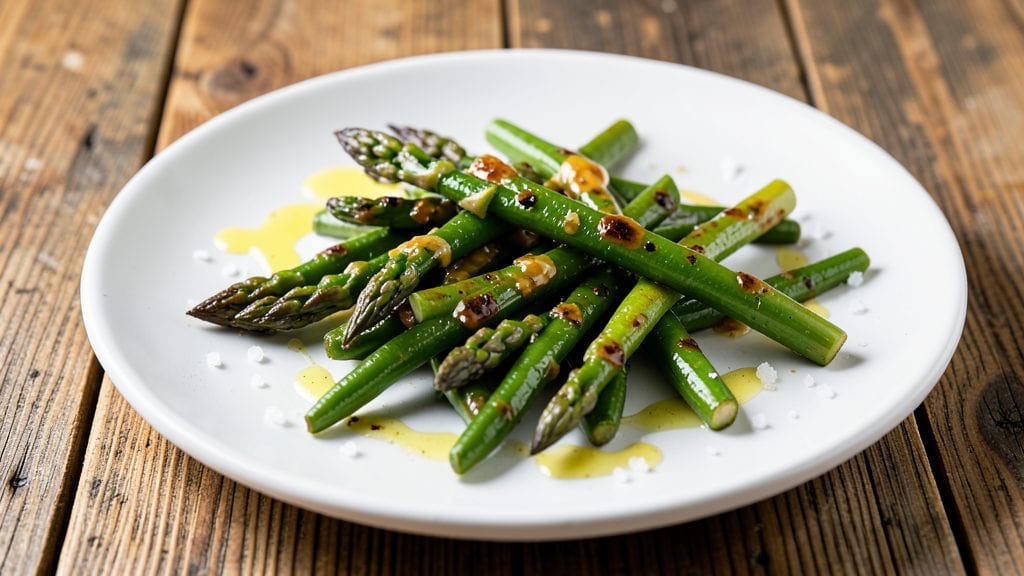
This green beans and asparagus recipe delivers perfectly crispy edges and tender centers with minimal effort—ideal for elevating any meal. The secret lies in high-heat roasting with garlic butter, which transforms these vegetables into a restaurant-worthy side dish.
I developed this method after years of testing, ensuring the edges caramelize while the centers stay vibrant and fresh. The result is a dish that pairs beautifully with grilled proteins, fish, or even as a standalone vegetarian main.
The recipe requires just five key ingredients: fresh green beans, asparagus, garlic, butter, and a touch of lemon juice. Prep takes less than 15 minutes, and the roasting time is a straightforward 12-15 minutes, making it perfect for busy weeknights.
The garlic butter adds depth without overpowering, while the lemon brightens the dish, balancing the richness. This method works equally well for both green beans and asparagus, ensuring consistent results every time.
By the end, you’ll have a vibrant, flavorful side dish with crispy edges that add texture and a tender interior that’s packed with natural sweetness. The aroma alone will have everyone at the table asking for seconds.
This recipe is versatile enough to serve alongside grilled chicken, steak, or even as a hearty vegetarian main with a sprinkle of toasted nuts or crumbled feta. The simplicity of the ingredients doesn’t compromise the sophistication of the final result.
Whether you're hosting a dinner party or simply looking to elevate your weeknight meals, this garlic butter roast delivers professional-quality results with minimal fuss. The technique is foolproof, and the flavor is undeniable—proof that even the simplest ingredients can create something extraordinary.
Let’s get started on this dish that’s sure to become a staple in your cooking routine.
Ingredients for green beans and asparagus
Five essential ingredients transform simple green beans and asparagus into a restaurant-quality side dish with crispy edges.
| Ingredient | Amount | Notes |
|---|---|---|
| Fresh Green Beans 🌱 | 1 lb | Trimmed and cut into even lengths |
| Fresh Asparagus 🌿 | 1 lb | Woody ends trimmed, spears halved lengthwise |
| Unsalted Butter 🧈 | ½ cup | Cold, cut into 8 equal pieces |
| Garlic Cloves 🧄 | 6 cloves | Minced, fresh preferred |
| Fresh Lemon Juice 🍋 | 1 tbsp | From organic lemons if available |
| Diamond Crystal Kosher Salt 🧂 | 1 ½ tsp | For seasoning and finishing |
| Freshly Ground Black Pepper 🌶️ | ½ tsp | Cracked over top before serving |
| Extra-Virgin Olive Oil 🫒 | 1 tbsp | For tossing vegetables |
| Toasted Pine Nuts 🥜 | ¼ cup | Optional garnish for crunch |
| Crumbled Feta Cheese 🧀 | ¼ cup | For finishing, optional protein boost |
The quality of your vegetables makes all the difference here. Fresh green beans and asparagus should be vibrant, with crisp stems and no wilting. For green beans, look for bright green pods with taut skins—avoid those with yellowing or soft spots. Asparagus should snap cleanly when bent; discard woody ends by snapping them naturally. Whole Foods Market and local farmers markets consistently carry the freshest produce, but even your grocery store's prepped section can work if you select firm stalks. The butter should be cold and unsalted—European-style butter like Plugrá or Kerrygold adds superior richness. Garlic cloves should be plump and firm, with no green sprouts—Organicville or Whole Foods bulk sections often have the freshest cloves.
No fresh garlic? Garlic powder at half the amount works in a pinch, though the flavor won't be as complex. Running short on pine nuts? Toasted walnuts or slivered almonds provide similar texture. The feta can be swapped for vegan feta or goat cheese if needed, though the tang will differ slightly. For extra crispiness, toss the vegetables with 1/4 cup panko breadcrumbs before roasting. The lemon juice is crucial for balance—bottled lemon juice works, but fresh yields brighter results. If you prefer a different acid, lime juice or white wine vinegar at the same amount creates comparable brightness. For a nut-free version, omit the pine nuts and finish with extra lemon zest instead.
This dish reheats beautifully—simply warm in a skillet with a splash of water for 2-3 minutes to restore crispiness. Store in an airtight container for up to 3 days in the refrigerator, though the texture softens after the first day. For longer storage, freeze the roasted vegetables (without butter) for up to 3 months. When reheating from frozen, add 1 extra minute of roasting time. The garlic butter can be made ahead and stored in the fridge for 1 week—just bring it to room temperature before tossing with the vegetables. Portion into individual containers for easy meal prep; the crispy edges hold up well when reheated gently.
Why You'll Love This Recipe
- One-Pan Magic: I swear by this for nights when I’m too tired to wash pots—just toss everything on one sheet pan, roast, and boom, dinner’s done. The green beans and asparagus caramelize right alongside the garlic butter, and cleanup? One spatula swipe.
- Bright & Buttery Balance: That lemon juice cuts through the richness of the butter like a breath of fresh air—sharp, zesty, but never overpowering. Honestly, the contrast is what makes it ridiculously good, especially when the asparagus gets that crispy tip.
- Meal Prep MVP: Make a big batch on Sunday, and you’ve got a side dish ready for lunch meetings, potlucks, or even a lazy Friday night. It reheats beautifully—just a quick zap in the microwave, and it’s like you made it fresh.
- Budget-Friendly Luxury: Fresh green beans and asparagus might sound fancy, but they’re actually affordable in season. A stick of butter and a lemon make this feel special without breaking the bank—perfect for when you want to impress without stressing.
Step-by-step instructions for garlic butter roasted green beans and asparagus
Here's the precise method for achieving perfectly crispy edges while maintaining tender interiors.
Prepare and Season the Vegetables
Begin by trimming the woody ends from the 1 lb fresh asparagus spears using a sharp knife. Halve each spear lengthwise to create uniform pieces that will cook evenly. For the 1 lb fresh green beans, trim the ends and cut into even 2-inch lengths. This preparation ensures consistent cooking times and presentation.
Transfer both vegetables to a large mixing bowl. Drizzle with the 1 tbsp extra-virgin olive oil and toss gently to coat evenly. Sprinkle with the 1.5 tsp diamond crystal kosher salt and 0.5 tsp freshly ground black pepper, massaging the seasoning into the vegetables. The salt will draw out moisture, helping to create those crispy edges during roasting. Let the seasoned vegetables rest for 10 minutes at room temperature while you prepare the garlic butter.
Create the Garlic Butter and Roast the Vegetables
Preheat your oven to 425°F for optimal crispiness. Cut the 0.5 cup unsalted butter into 8 equal pieces and place them in a cold bowl. Add the 6 cloves minced garlic and mix gently with a fork to combine. Spread the garlic butter mixture evenly over the seasoned vegetables, ensuring each piece is well-coated. The cold butter will melt during roasting, basting the vegetables and creating a rich flavor profile.
Transfer the vegetables to a single layer on a parchment-lined baking sheet, leaving space between each piece to allow for even air circulation. Roast for 12-15 minutes, stirring once halfway through, until the edges are golden brown and crispy while the interiors remain tender. The vegetables should look vibrant with caramelized edges—this indicates they've reached perfect doneness. Rotate the baking sheet if needed for even browning.
Finish with Lemon and Garnishes
Remove the roasted vegetables from the oven and immediately drizzle with the 1 tbsp fresh lemon juice. Toss gently to distribute the acidity evenly, which brightens the flavors and balances the richness of the garlic butter. The lemon juice should sizzle slightly from the residual heat, creating a fragrant aroma.
Sprinkle the 0.25 cup toasted pine nuts and 0.25 cup crumbled feta cheese over the top, tossing lightly to combine. The pine nuts add a delightful crunch while the feta cheese provides a salty contrast to the sweetness of the roasted vegetables. Serve immediately while the edges remain crispy and the vegetables are still warm, ensuring each bite delivers the perfect texture and flavor combination.
Pro Tips For Making Green Beans And Asparagus
- Trim Asparagus Properly: Snap, don’t cut—the woody ends break cleanly where they naturally bend. I used to slice them like beans, which left ugly nubs and wasted good spear. Test first: if the end snaps with a clean crack, you’re golden.
- Start With High Heat: Get that pan screaming hot before adding butter—otherwise, you’ll end up with steamed mush. I learned this after making a batch that looked sad and tasted like a side dish from a hospital cafeteria. Two minutes of searing makes all the difference.
- Salt the Butter First: Mix ½ teaspoon of flaky salt into the melted butter before tossing in the veggies. Unsalted butter tastes bland when raw, and you’ll end up over-salting later. Trust me, this is the thing that matters most for flavor.
- Finish With Lemon Zest: After squeezing the juice, use a microplane to add a pinch of zest right at the end. The bright, aromatic oils cling to the beans and asparagus like they’re magnetized—way better than just juice alone. (Yes, even if you’re impatient like me, this takes 10 seconds.)
Wine and beer pairings for green beans and asparagus
Crisp White Wine
A dry Riesling from Germany or Alsace is my go-to pairing for this dish—its bright acidity and subtle mineral notes mirror the lemon in the recipe while standing up to the richness of the garlic butter.
Look for a Kastellaun Riesling Kabinett or Domaine Weinbach Pinot Gris for that perfect balance. The wine’s crispness cuts through the butter’s richness, cleansing your palate between bites. 🍷
Crisp Lager Pairing
For beer lovers, a German Pilsner like Warsteiner or Stella Artois works beautifully. The crisp, clean malt profile and light hop bitterness complement the dish without overwhelming it. The effervescence also helps refresh your palate between each flavorful bite.
If you prefer something with a bit more character, try a Belgian witbier like Hoegaarden—its citrusy notes harmonize with the lemon in the recipe. 🍺
Bold Red Option
If you’re serving this alongside a hearty protein like steak or lamb, a medium-bodied red like Pinot Noir or Chianti elevates the meal. A New Zealand Pinot Noir with its bright acidity and red fruit notes pairs wonderfully with the garlic butter’s richness.
For a more robust option, a Sangiovese-based Chianti adds earthy depth that complements the dish’s caramelized edges. 🍇
Sparkling Alternative
For a celebratory touch, Prosecco or Cava adds a festive sparkle to the table. The light bubbles and citrus notes in La Marca Prosecco or Freixenet Cordon Negro Cava enhance the dish’s brightness, making it feel extra special.
This pairing is perfect for dinner parties or weekend lunches where you want to elevate the experience. ✨
Herbal Infusions
If you’re feeling adventurous, try an herbal-infused white wine like Sancerre or Gewürztraminer. The Sancerre’s herbal notes from the Sauvignon Blanc grape pair beautifully with the dish’s garlic and lemon flavors, while a Gewürztraminer from Alsace adds a touch of lychee and spice that complements the roasted vegetables.
These wines bring an unexpected but delightful complexity to the meal. 🌿
Nutrition facts
Frequently asked questions
Can I use frozen green beans and asparagus instead of fresh?
Fresh is ideal for the best texture, but frozen works in a pinch! Thaw the vegetables completely first, then pat them very dry with paper towels. This removes excess moisture that can prevent crispy edges. Add 1-2 extra minutes to the roasting time to compensate for any steam loss.
How do I prevent the asparagus from getting too soft?
The key is high heat and even spacing on the baking sheet. Use 425°F and cut asparagus into 2-inch pieces for uniform cooking. Crowding causes steam, which softens them faster. Halve the spears lengthwise to ensure even browning and crispiness.
What if I don’t have pine nuts for garnish?
No problem! Swap them for toasted walnuts, slivered almonds, or even panko breadcrumbs for texture. For a nut-free option, try crispy fried shallots or extra lemon zest. The dish will still taste delicious—these are just flavor enhancers, not essential components.
Can I make this ahead of time for a meal prep?
Yes, but with a few adjustments. Roast the vegetables as directed, then store them in an airtight container for up to 3 days. To restore crispiness, reheat in a skillet with 1 tbsp butter or olive oil over medium-high heat for 2-3 minutes. For meal prep, make the garlic butter separately and store it in the fridge for 1 week—just toss it with the veggies when ready to serve.
Why does my garlic butter sometimes burn?
This happens when the butter melts too quickly or the oven runs hot. Use cold butter (cut into small pieces) and spread it evenly over the vegetables. Roast on the middle rack for consistent heat. If your oven runs hot, reduce the temperature to 400°F and add 2-3 extra minutes to the cooking time.