
Side Dishes
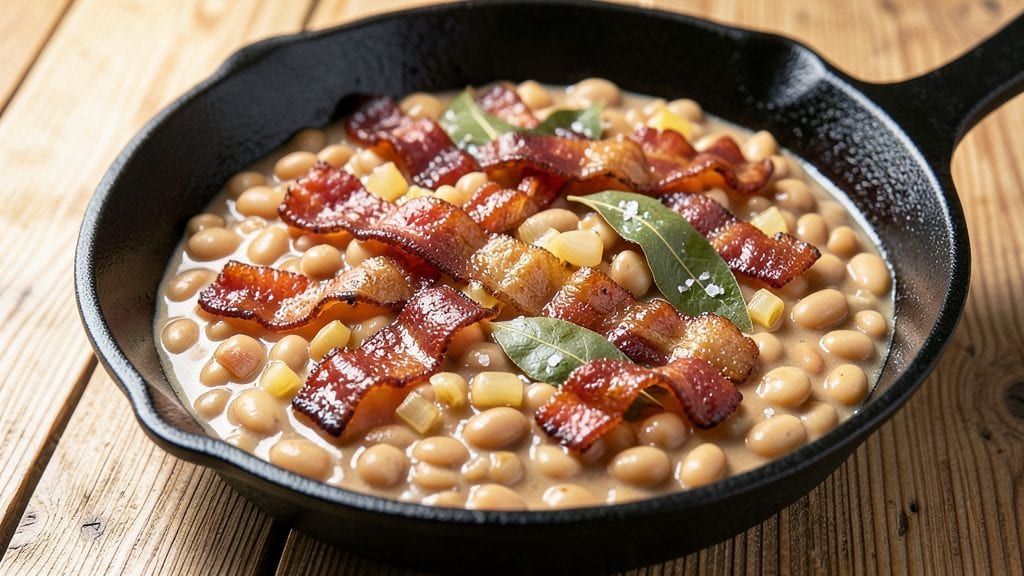
Grandma's pinto beans recipe brings that homestyle comfort no store-bought can match, where smoky bacon and slow-simmered tenderness create a side dish that steals every meal. The secret lies in crisping bacon until it renders its fat into the pot—this golden, aromatic base transforms tough beans into melt-in-your-mouth perfection.
I've perfected this method over years of holiday tables, where the aroma alone had everyone gathering before the timer even rang.
This one-pot wonder requires just five key ingredients but delivers restaurant-quality results with minimal effort. The beans simmer low and slow, absorbing flavors while developing that signature creamy texture Southern cooks swear by.
No fancy techniques—just time, patience, and the magic of bacon fat working its savory spell. Even beginners will nail this every time, thanks to foolproof timing and simple seasoning.
By the final hour of simmering, your kitchen will smell like childhood memories, and the beans will be tender enough to fall apart with just a fork's touch. The bacon adds smoky depth while keeping the dish light enough to pair with everything from cornbread to grilled meats.
What starts as a humble side becomes the centerpiece of any meal—proof that sometimes, the simplest dishes pack the most heart.
Serve these beans alongside roasted chicken, pulled pork, or even as a standalone dish with crusty bread. The leftovers? Even better the next day as the flavors meld deeper. Here's how to make them exactly like Grandma's—tender, smoky, and impossible to resist.
Ingredients for grandma's pinto beans
Five key ingredients transform into Grandma's legendary pinto beans—smoky, tender, and brimming with homestyle comfort.
| Ingredient | Amount | Notes |
|---|---|---|
| Dried Pinto Beans 🌾 | 2 cups | Rinsed thoroughly before soaking |
| Thick-Cut Bacon 🥓 | 1 lb | Unsmoked preferred for authentic flavor |
| Yellow Onion 🧅 | 1 whole | Medium size, diced |
| Garlic Cloves 🧄 | 4 cloves | Freshly minced for aromatic depth |
| Bay Leaves 🌿 | 2 whole | Standard dried leaves |
| Diamond Crystal Kosher Salt 🧂 | 1 ½ tsp | Adjust to taste |
| Ground Black Pepper 🌶️ | ½ tsp | Freshly cracked preferred |
| Smoked Paprika 🌶️ | 1 tsp | For authentic smoky flavor |
| Apple Cider Vinegar 🍎 | 1 tbsp | Brightens the beans |
| Cold Water 💧 | 8 cups | For overnight soaking |
| Chicken or Vegetable Broth 🍲 | 6 cups | Low-sodium preferred |
The foundation begins with thick-cut bacon—unsmoked delivers the most authentic flavor, though smoked works in a pinch. Most grocery stores carry it pre-cut for convenience, but if you're buying whole slabs, look for thick slices from the butcher section at stores like Whole Foods or Kroger's meat counter. The beans themselves? Dried pinto beans from the bulk section at WinCo or Aldi stay fresher longer than pre-packaged varieties. Soak them overnight in cold water—this ensures they cook evenly and eliminates any anti-nutrients that might cause digestive discomfort. Don't skip the apple cider vinegar during soaking; it helps tenderize the beans while adding subtle tang.
No smoked paprika? Substitute half the amount with regular paprika plus a pinch of liquid smoke—though nothing beats the real deal for that authentic smoky depth. Running low on bay leaves? Dried thyme at one-third the amount works, but the earthy aroma of bay leaves is irreplaceable in this dish. The broth can be homemade or high-quality store-bought—just ensure it's low-sodium to control the final seasoning. For the onion, yellow or red both work, but yellow provides that classic sweetness. The garlic? Freshly minced makes all the difference—pre-minced garlic loses its punch quickly. If you're short on time, soak the beans for at least 4 hours instead of overnight, though the texture won't be quite as tender.
These beans taste even better the next day as the flavors meld, so double the batch if you're feeding a crowd. Store leftovers in an airtight container in the fridge for up to 5 days, or freeze for 3 months by portioning into ziplock bags with a splash of broth to prevent freezer burn. Reheat gently on the stove with a little extra broth—never microwave, as it can turn the beans mushy. The bacon fat solidifies when cold, so strain it through a coffee filter if you want to save it for future recipes; it's pure liquid gold for roasting vegetables or crisping hash browns.
Why You'll Love This Recipe
- One-Pot Magic: I swear by this—just toss everything in one pot, walk away, and come back to something that smells like a hug. No fancy gadgets, no last-minute grocery runs. The bacon renders while the beans soak, and by the time you’re done, the house smells like Sunday dinner.
- Crispy-Soft Perfection: That thick-cut bacon? It gets crispy on the edges while staying tender inside, and when you crush it into the beans, it’s like little flavor bombs exploding in every bite. Honestly, the garlic and bay leaves turn this into something that tastes like it simmered all day—not that it actually did.
- Leftovers That Beg: Between us, these beans taste even better the next day. I’ll make a double batch on Sunday, and by Wednesday, my kids are sneaking bowls while I’m still pretending to be mad. It’s the kind of dish that makes you look like a hero without trying.
- Budget Booster: Dried beans and bacon stretch this recipe into a full week of meals. I’ll use half for tacos, freeze half for soup, and still have enough to throw on toast with a fried egg. It’s my wallet’s favorite recipe—no guilt, all flavor.
Step-by-step instructions for Grandma's pinto beans
This method delivers restaurant-quality tenderness with minimal effort—just follow the order.
Prepare the Bacon and Aromatics
Cut the 1 lb thick-cut bacon into ½-inch pieces using a sharp knife. This size ensures even cooking and maximum fat render. Transfer the bacon to a large Dutch oven and cook over medium heat until the edges begin to crisp—about 8-10 minutes. Stir occasionally to prevent burning, but don't rush this step. The rendered fat will become the flavor foundation for your beans.
Once the bacon is golden brown and crispy, remove it from the pot with a slotted spoon, leaving the fat behind. Add the diced 1 whole yellow onion and 4 cloves minced garlic cloves to the Dutch oven. Cook for 3-4 minutes until the onion softens and the garlic becomes fragrant. This step builds the flavor base before adding the beans.
Soak and Simmer the Beans
Rinse the 2 cups dried pinto beans thoroughly under cold water to remove any debris. Transfer them to a large bowl and cover with the 8 cups cold water. Let them soak overnight—this ensures even cooking and eliminates the need for a long simmer. The next day, drain and rinse the beans again before adding them to the pot.
Return the Dutch oven with the bacon fat, onion, and garlic to medium-low heat. Add the drained beans, 6 cups chicken or vegetable broth, 2 whole bay leaves, 1.5 tsp diamond crystal kosher salt, 0.5 tsp ground black pepper, and 1 tsp smoked paprika. Stir gently to combine, ensuring the beans are fully submerged in the liquid. Bring to a gentle boil, then reduce heat to maintain a barely simmering state.
Cook Until Fork-Tender
Cover the Dutch oven and let the beans simmer for 2-2.5 hours, stirring occasionally to prevent sticking. The beans are done when they're fork-tender—press a bean with a fork; it should collapse easily with minimal resistance. If the liquid level drops too low, add ½ cup hot water or broth to keep the beans submerged.
Here's the thing—don't skip stirring occasionally. This prevents the beans from sticking to the bottom and ensures even cooking. The smoked paprika and apple cider vinegar should be added after 1 hour of cooking to brighten the flavor and deepen the smoky notes. Taste the beans at the 2-hour mark and adjust seasoning if needed.
Finish and Rest
Once the beans reach fork-tender perfection, remove the 2 whole bay leaves and discard them. Stir in the 1 tbsp apple cider vinegar and the crispy bacon you removed earlier. The vinegar adds a subtle tang that balances the richness of the bacon and beans. Let the beans sit off the heat for 10 minutes—this allows the flavors to meld and the beans to absorb any remaining liquid.
Serve the beans warm, straight from the pot. The smoky bacon fat will coat each bean, delivering that classic Grandma-style tenderness. Pair with cornbread or crusty bread to soak up every last bit of that flavorful broth. The result is a dish that's hearty, smoky, and effortlessly comforting—just like Grandma used to make.
Pro Tips For Making Grandma'S Pinto Beans
- SOAK BEANS OVERNIGHT: I used to toss dried pintos in boiling water and wonder why they never got that creamy texture. Soak them in cold water for 12 hours—yes, even if you’re impatient—then drain and rinse before cooking. The longer soak prevents that gummy middle and makes them tender faster.
- CRISP THE BACON LOW: Thick-cut bacon needs patience—don’t rush it. Cook it slow over medium heat until the edges curl and the fat renders just crispy, not burnt. Save the rendered fat for the beans later (it’s liquid gold for flavor).
- SWEAT ONIONS UNTIL SOFT: Don’t just chop and toss the onion—cook it until it’s translucent and slightly caramelized, about 8-10 minutes. This melts the sharpness and builds the base flavor for the whole dish. (Yes, it’ll make your kitchen smell amazing.)
- SKIP THE CROWDED POT: I learned this the hard way—piling beans into a pot without enough liquid makes them steam instead of simmer. Use at least 3 cups of liquid per pound of beans, and keep the heat low enough to maintain a gentle bubble. (Your future self will thank you.)
Wine and beer pairings for grandma's pinto beans
Red Wine Pairings
For these rich, smoky beans, I always reach for a bold red wine that complements the bacon fat without overpowering the dish. A Zinfandel from California—like Ravenswood or Seghesio Sonoma Mountain—is my go-to.
Its jammy blackberry notes and peppery finish mirror the smokiness of the bacon while the acidity cuts through the richness. Serve it slightly chilled (55-60°F) to highlight its fruit-forward character. 🍷
White Wine Brightness
If you prefer white wine, a dry Riesling from Germany or Washington State—such as Dr. Loosen Blue Slate—works beautifully. The wine's crisp acidity and hints of citrus balance the beans' heartiness, while its slight sweetness enhances the smoky depth.
I like to serve it at 45-50°F to preserve its refreshing qualities. This pairing feels surprisingly elegant for a home-cooked dish.
Beer Complements
A smoked porter like Founders Kentucky Breakfast Stout or Goose Island Bourbon County Stout elevates the smoky flavors to new heights. The caramel and coffee notes in these beers harmonize perfectly with the bacon and beans.
For a lighter option, try a honey brown ale such as New Belgium Fat Tire—its malty sweetness complements the dish without competing. Serve beer at 40-45°F for the best balance of flavor and carbonation.
Non-Alcoholic Options
Don't overlook non-alcoholic pairings! A sparkling apple cider like Martinelli's Sparkling adds a festive touch while its crisp acidity cleanses the palate. For something more robust, try a smoky black tea—I love Lipton Smoky Mountain—sweetened with a touch of honey.
The smokiness in the tea mirrors the bacon, creating a cohesive flavor experience even without alcohol. 💧
Regional Adaptations
In Texas, where pinto beans reign supreme, I've seen locals pair them with Texas Hill Country Red Wine—think William Chris Cabernet Sauvignon. The wine's dark fruit and earthy undertones complement the smoky, savory profile perfectly.
Meanwhile, in New Mexico, a local lager like Albuquerque Brewing Company's Red Willow adds a crisp, clean finish that contrasts nicely with the richness. 🌶️
Nutrition facts
Frequently asked questions
Can I use canned beans instead of dried for this recipe?
While canned beans will save time, they won't deliver the same rich, smoky depth. Dried beans absorb flavors better during the long simmer, creating that signature tender texture. If you must use canned, opt for low-sodium pinto beans and add them after the bacon fat has infused the pot for 30 minutes to let them soak up those flavors.
Why do my beans turn out mushy instead of tender?
Mushy beans usually mean either too much liquid or overcooking. Keep the beans covered with just enough broth to submerge them by 1 inch, and stir occasionally. Remove from heat when they're fork-tender (they'll continue cooking off the heat). If using a pressure cooker, cook for 25-30 minutes on high pressure.
Can I make this recipe vegetarian?
Replace the bacon with thick-cut smoked tofu or mushroom duxelles (finely chopped mushrooms sautéed with onions). For extra richness, add 1 tablespoon olive oil to the pot. The smoked paprika will still give that deep flavor, and a splash of liquid smoke (¼ teaspoon) enhances the smoky profile.
How do I store and reheat leftovers?
Store in an airtight container in the fridge for up to 5 days, or freeze for 3 months. To reheat, add a splash of broth or water and warm on the stove over low heat—never microwave, as it can make the beans rubbery. For extra flavor, stir in a pat of butter or a drizzle of bacon fat when reheating.
What’s the secret to getting that smoky flavor without bacon?
Smoked paprika and liquid smoke are your best friends! Use 1.5 teaspoons smoked paprika (instead of 1) and add ¼ teaspoon liquid smoke when simmering. For a deeper flavor, char a halved onion in a dry pan until blackened, then add it to the pot during cooking. The charred bits infuse the beans with a smoky essence.