
Side Dishes
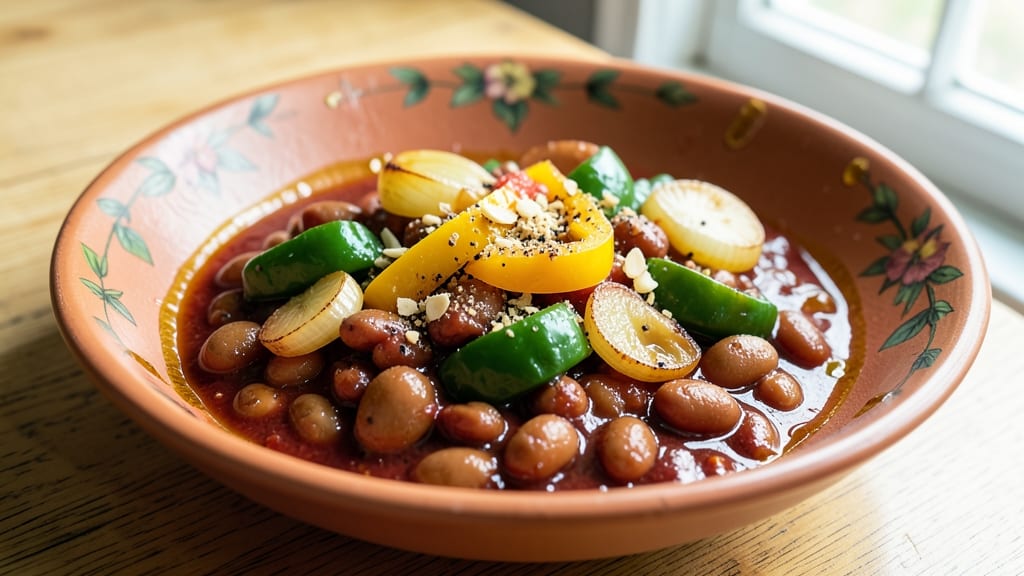
This Goya kidney beans recipe delivers the rich, comforting flavors of Puerto Rican habichuelas guisadas in a single pot—creamy, aromatic, and packed with sofrito's signature depth. The key lies in slow simmering, where tomatoes, peppers, and spices meld into a velvety sauce that coats tender beans.
I've perfected this version to stay true to tradition while making it simple enough for weeknight dinners.
The magic happens with sofrito—a blend of onions, peppers, garlic, and cilantro—that forms the flavor base. Adding tomato sauce, bell peppers, and olives creates a balance of sweet, tangy, and briny notes, while cumin and oregano deepen the earthy aroma.
The dish transforms tough kidney beans into melt-in-your-mouth texture, all while keeping the process straightforward in one pot.
What you'll end up with is a creamy, fragrant bean stew with a crispy, golden topping—traditionally made from toasted bread or plantains. This dish pairs perfectly with white rice, tostones, or even as a standalone vegetarian main.
The aroma alone will transport you to a Puerto Rican family gathering, but the simplicity makes it perfect for everyday meals.
Whether you're serving a crowd or meal prepping for the week, this recipe delivers restaurant-quality results with minimal effort. The slow cook gives you time to savor the process, while the final dish brings warmth and tradition to your table. Let's get cooking!
Ingredients for goya kidney beans
Pantry staples meet Puerto Rican tradition in this one-pot wonder—creamy, crunchy, and full of sofrito soul.
| Ingredient | Amount | Notes |
|---|---|---|
| Dried Kidney Beans 🌱 | 1 ½ cups | Unsoaked, rinsed thoroughly |
| Goya Tomato Sauce 🍅 | 28 oz | Canned, 14.5 oz can (2 cans) |
| Yellow Bell Peppers 🌶️ | 1 whole | Diced, about 1 cup |
| Green Bell Peppers 🌶️ | 1 whole | Diced, about 1 cup |
| Yellow Onions 🧅 | 2 whole | Diced, medium size |
| Garlic Cloves 🧄 | 6 cloves | Minced, fresh preferred |
| Fresh Cilantro 🌿 | ¼ cup | Chopped, stems removed |
| Green Olives 🫒 | ½ cup | Pitted, sliced |
| Ground Cumin 🌿 | 1 tbsp | Toasted for depth |
| Dried Oregano 🍃 | 1 tsp | Mexican preferred |
| Bay Leaves 🌿 | 2 whole | Fresh or dried |
| Salt 🧂 | 1 ½ tsp | Diamond Crystal preferred |
| Black Pepper 🌶️ | ½ tsp | Freshly ground |
| Stale Bread 🍞 | 1 cup | Cubed, day-old preferred |
| Olive Oil 🫒 | ¼ cup | Extra-virgin for frying |
The kidney beans are the heart of this dish, soaking isn't required but does cut cooking time. Goya tomato sauce is non-negotiable here—its thick, sweet profile is what makes this taste authentic. Grab the 14.5 oz can from the Latin aisle (or international section) at Walmart, Kroger, or Whole Foods. The bell peppers? Yellow and green give you both sweetness and brightness—don't skip both. For cilantro, I always buy extra because half gets chopped for the topping. The olives should be green, pitted, and sliced—none of that stuffed nonsense.
No Goya tomato sauce? Crushed tomatoes plus tomato paste works in a pinch (use 1 can crushed + 1 tbsp paste). Short on bell peppers? Roasted red peppers from a jar add depth without fresh prep. The bread topping can be plantains or crushed crackers if you're avoiding gluten. For the sofrito base, if you can't find fresh cilantro, dried cilantro at half the amount gets you close. The cumin needs to be toasted—just dry-toast in a pan for 30 seconds to wake up those flavors.
This stew tastes even better the next day as flavors meld. Store in an airtight container in the fridge for up to 5 days. For meal prep, portion into containers with rice—keeps 4 days. The bread topping? Make it fresh before serving or toast it separately. Freezes beautifully for 3 months—just thaw and reheat with a splash of water to restore creaminess. The beans will soften further when reheated, so they're perfect for cold lunches too.
Why You'll Love This Recipe
- Here’s what sold me: that Goya tomato sauce isn’t just a base—it’s the star. The natural sweetness of the yellow bell peppers and onions caramelizes right into the beans, balancing the tangy, slightly smoky sauce. It’s the kind of flavor that makes you reach for seconds without even thinking.
- No-Soaking Needed: I’ll admit, I used to dread soaking beans—until I discovered this shortcut. Just toss the dried kidney beans in a pot with water, a pinch of salt, and let them simmer until tender. No fancy prep, no waiting hours—just set it and forget it while you chop the onions and peppers.
- Sweet-Savory Magic: Here’s what sold me: that Goya tomato sauce isn’t just a base—it’s the star. The natural sweetness of the yellow bell peppers and onions caramelizes right into the beans, balancing the tangy, slightly smoky sauce. It’s the kind of flavor that makes you reach for seconds without even thinking.
- Lunchbox Hero: Between us, this is my go-to for meal prep. The beans hold up perfectly for days, and I just portion them into containers with rice or crusty bread for grab-and-go lunches. Honestly, it’s the only bean dish my picky teenager won’t complain about—even on a Tuesday.
Step-by-step instructions for creamy, crunchy-topped kidney beans
Here's how to transform simple ingredients into a restaurant-worthy one-pot dish.
Prepare the Bean Base
In a large Dutch oven, heat the 0.25 cup olive oil over medium-high heat. Add the 2 whole yellow onions and 2 whole yellow onions (diced), cooking for 5 minutes until softened and translucent. Stir in the 6 cloves garlic cloves (minced) and cook for 30 seconds until fragrant.
Add the 1.5 cups dried kidney beans (rinsed), 28 oz goya tomato sauce, 1 tbsp ground cumin, 1 tsp dried oregano, 2 whole bay leaves, 1.5 tsp salt, and 0.5 tsp black pepper. Stir well to combine, then add 1 cup water (or enough to cover beans by 1 inch). Bring to a boil, then reduce heat to low, cover, and simmer for 45-50 minutes until beans are tender but not mushy.
Here's the thing—don't peek under the lid while cooking. Every time you lift it, you release steam and extend the cooking time. The beans are done when they're fork-tender and the sauce has thickened slightly. If it looks too dry, add a splash of water, but trust the process.
Build the Flavor Layers
While the beans simmer, dice the 1 whole yellow bell peppers and 1 whole green bell peppers into ½-inch pieces. Heat 1 tablespoon olive oil in a separate skillet over medium heat and sauté the peppers for 5-6 minutes until slightly softened but still vibrant. Add the peppers to the bean mixture and stir gently.
Increase heat to medium-high and let the sauce reduce for 3-4 minutes until slightly thickened. This step concentrates the flavors and creates that creamy texture the dish promises. Taste and adjust seasoning—you might need a pinch more salt or a crack of black pepper to balance the sweetness from the peppers.
Here's where the magic happens: stir in the 0.5 cup green olives (pitted and sliced) and 0.25 cup fresh cilantro (chopped). The olives add briny contrast while the cilantro brightens everything up. Let the mixture simmer uncovered for 5 minutes to let the flavors meld together.
Create the Crunchy Topping
Cube the 1 cup stale bread into ½-inch pieces and spread them evenly over the bean mixture. Drizzle the remaining 2 tablespoons olive oil (from the original 0.25 cup) over the bread cubes. This creates a golden, crispy crust that contrasts beautifully with the creamy beans below.
Transfer the Dutch oven to a 400°F preheated oven and bake for 12-15 minutes until the bread topping is golden brown and crispy. Watch closely—it burns quickly once it reaches that perfect color. The bread should be crunchy on top while still soft underneath, absorbing the creamy bean mixture.
This is the moment that matters: remove from the oven and let it rest for 5 minutes before serving. The residual heat finishes cooking the beans perfectly while the bread stays crisp. The contrast between the creamy beans and crunchy topping is what makes this dish special.
Serve with Confidence
Spoon the creamy bean mixture into bowls, making sure each serving gets a generous portion of the crispy bread topping. Garnish with additional fresh cilantro if desired, though the dish is already packed with flavor. Serve immediately while the bread is still crisp—this isn't a dish that waits.
Real talk: the beans should be creamy but not watery, with each bite delivering the perfect balance of smoky, spicy, and briny notes. The bread topping adds texture that keeps every mouthful exciting. If you have leftovers, store them covered in the fridge for up to 3 days, but honestly, this dish disappears quickly.
Pro Tips For Making Goya Kidney Beans
- SOAK BEANS OVERNIGHT: I learned this the hard way—skipping the overnight soak leaves you with beans that stay rock-hard no matter how long you simmer. Use 4 cups of water per 1 cup of dried kidney beans, cover, and let them sit for 12+ hours. The next day, drain and rinse before cooking; they’ll soften faster and absorb flavors better.
- CHAR THE ONIONS FIRST: Don’t just sauté those yellow onions—give them 5 minutes of direct heat until they’re deep golden and slightly caramelized. This develops their sweetness and forms a flavor base that makes the whole dish sing. (Yes, even if you’re impatient like me.)
- STIR IN GOYA SAUCE GRADUALLY: Dumping all that tomato sauce at once turns your stew into a watery mess. Instead, add half the sauce first, let it simmer 10 minutes, then stir in the rest. This thickens the sauce naturally and keeps the texture rich, not runny.
- SALT THE BEANS MID-COOK: After the beans have simmered for 45 minutes, add salt—about 1 tsp per cup of liquid. Adding it too early toughens the beans, and waiting until the end leaves them bland. This timing guarantees tender, flavorful beans every time.
Storing and reheating your leftovers
Fridge Storage Essentials
Transfer your Goya kidney beans to an airtight glass container (I use Pyrex with snap-on lids) once cooled to room temperature. The creamy sauce thickens overnight, so store it in the fridge at 40°F or below for up to 5 days.
The crispy bread topping loses its crunch after 24 hours, so I recommend making it fresh before serving or toasting separate bread slices on demand. 🥫
Freezer-Friendly Tips
This dish freezes beautifully for 3 months—perfect for meal prep. Use quart-sized freezer bags (like Stasher bags) or glass jars with airtight seals to prevent freezer burn. Leave 1-inch headspace for expansion, and squeeze out excess air before sealing.
Thaw overnight in the fridge for best texture. The beans will soften further but stay creamy when reheated.
Stovetop Reheating
For the best results, reheat on the stovetop over medium-low heat. Add 2-3 tablespoons of water or broth to prevent drying, then cover and simmer for 10-12 minutes until heated through (165°F internal temp).
Stir occasionally to restore creaminess. The bread topping should be toasted separately if you want it crispy—just fry in olive oil for 2-3 minutes until golden. 🔥
Microwave Shortcuts
When in a hurry, microwave in 1-minute intervals on 70% power, stirring between each interval. Cover with a damp paper towel to retain moisture. Add 1 tablespoon of water or broth if the beans look dry.
The bread topping won’t crisp up, so save it for another meal or serve it on the side. This method works best for single servings—not ideal for large batches.
Leftovers Reinvented
Transform leftover Goya beans into tostones-style hash by frying crispy tostones in olive oil until golden, then crumbling over reheated beans. For a breakfast twist, serve with scrambled eggs and avocado.
The flavors only get better after the first day—like a Puerto Rican comfort hug waiting to be rediscovered. ✨
Crispy Topping Revival
If your bread topping loses its crunch, revive it by crushing 1 cup stale bread with 2 tablespoons olive oil and ½ teaspoon cumin, then frying in a skillet for 3-4 minutes until golden.
Sprinkle over reheated beans for instant texture contrast. Pro tip: Toast panko breadcrumbs with paprika for a gluten-free alternative that adds even more crunch. 💫
Nutrition facts
Frequently asked questions
What makes Goya tomato sauce essential for this recipe?
The Goya tomato sauce provides that signature sweet, thick base that traditional Puerto Rican habichuelas guisadas relies on. Its concentrated flavor and natural thickness create the creamy texture without needing extra water. The 14.5 oz can (2 cans) gives you that authentic depth that store-bought tomato sauce can't replicate.
Can I use canned kidney beans instead of dried?
Yes, but with adjustments! Use 3 cups of drained canned kidney beans and reduce the water to ½ cup to avoid a watery stew. Skip the initial simmering time since canned beans are pre-cooked. The texture will be slightly softer, but the flavor remains rich and satisfying.
How do I fix undercooked beans?
If your beans aren't tender after 45-50 minutes, add ½ cup more water, cover, and simmer for another 15-20 minutes. Avoid high heat—it can make them mushy. For stubbornly tough beans, mash a few with a fork to release starch, which helps thicken the sauce.
What’s the best way to substitute stale bread?
For a crispy topping, try crumbled tostones, panko breadcrumbs, or fried plantain slices. If you're gluten-free, use corn tortilla chips or toasted rice cakes. Just ensure your substitute can handle the oven's heat without burning. The key is achieving that satisfying crunch contrast.
Can I make this in a slow cooker?
Combine all ingredients (except bread topping) in the slow cooker and cook on low for 6-7 hours or high for 3-4 hours. Stir in the peppers, olives, and cilantro during the last 30 minutes. For the topping, toast bread cubes in the oven separately or fry them in a skillet after cooking. The slow cooker keeps the beans creamy and flavorful.