Side Dishes
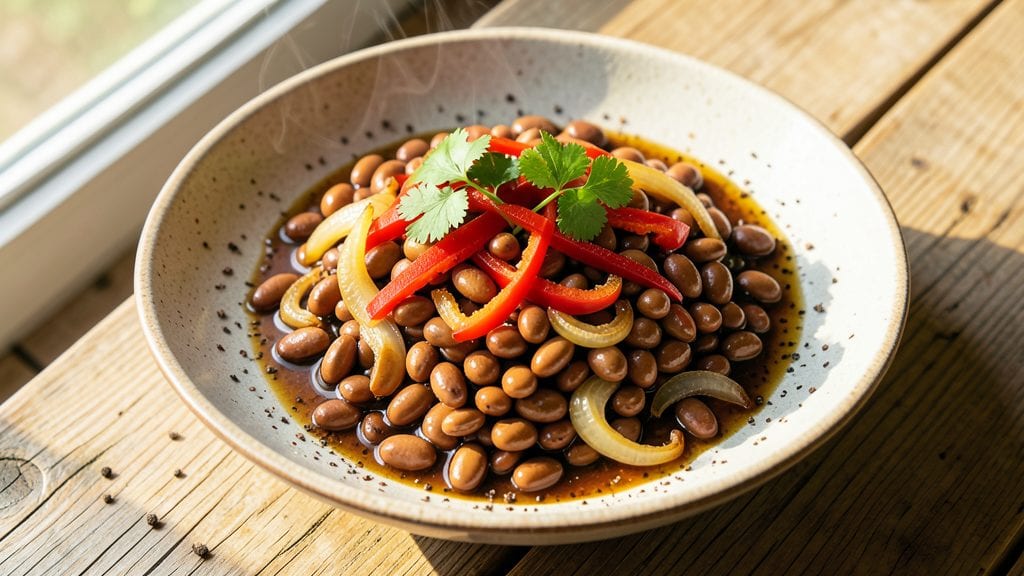
Transforming Goya dry beans into a rich, savory side dish is where Puerto Rican home cooking shines brightest. This one-pot recipe delivers tender beans infused with sofrito, garlic, and spices that build flavor as they simmer—no pre-soaking required.
I developed this method after years of perfecting the balance between quick preparation and deep, layered taste that stands up to rice, chicken, or pork.
The secret lies in the slow-soak technique, where beans absorb aromatics directly in the cooking liquid rather than separate water. This creates a naturally thick, flavorful broth that clings to each bean, eliminating the need for thickeners.
Traditional seasonings like bell peppers, onions, and cumin transform simple ingredients into a dish that feels like a hug from your abuela’s kitchen.
By the time you’re done, you’ll have perfectly tender beans with a velvety texture and complex flavors—smoky from the sofrito, bright from garlic, and warm from spices. The aroma alone will have everyone asking what’s for dinner.
This recipe serves as both a hearty side and a satisfying main component when paired with rice or grilled meats.
Perfect for meal prep or last-minute gatherings, these beans stay flavorful for days. Let’s get cooking—your taste buds will thank you.
Ingredients for goya dry beans
Puerto Rican home cooking relies on these 14 essential ingredients to transform simple beans into rich, savory perfection.
| Ingredient | Amount | Notes |
|---|---|---|
| Goya Dry Beans 🌾 | 2 cups | Unwashed to preserve natural oils |
| Yellow Onion 🧅 | 1 whole | Medium size, roughly chopped |
| Red Bell Pepper 🍅 | 1 whole | Medium size, diced |
| Garlic Cloves 🧄 | 4 cloves | Freshly minced for maximum flavor |
| Ground Cumin 🌿 | 1 tbsp | Toasted for deeper aroma |
| Sofrito 🍅 | 1 cup | Homemade or quality jarred |
| Bay Leaves 🍃 | 2 whole | Fresh preferred, dried acceptable |
| Ground Black Pepper 🌶️ | ½ tsp | Freshly cracked for best flavor |
| Olive Oil 🫒 | ¼ cup | Extra-virgin for richness |
| Salt 🧂 | 1 ½ tsp | Diamond Crystal preferred |
| Water 💧 | 6 cups | Filtered preferred for purity |
| Adobo Seasoning 🌶️ | 1 tsp | For authentic Puerto Rican flavor |
| Fresh Oregano 🌿 | ¼ cup | Chopped, or substitute dried |
| Lime Juice 🍋 | 1 tbsp | Freshly squeezed for brightness |
The beans are the foundation, so choose Goya dry beans specifically—they hold their shape beautifully and absorb flavors exceptionally well. For the sofrito, homemade is ideal (blend tomatoes, onions, garlic, and peppers), but quality jarred brands like La Costeña work in a pinch. The onions and bell peppers should be fresh, vibrant, and free of blemishes—Trader Joe's often carries excellent pre-chopped options when you're short on time. Garlic cloves should be firm and free of sprouts, with a bright, pungent aroma when peeled. The olive oil is non-negotiable for richness—California Avocado or Bertolli brands deliver consistent quality. Bay leaves add depth, but if you're using dried, remember they're more potent, so reduce to one-third the amount.
No sofrito? Salsa or tomato paste works in a bind, but you'll lose some of that layered complexity. Substituting dried oregano for fresh? Use one-third the amount—dried herbs pack more punch. Running low on cumin? Ground coriander at the same quantity offers a similar earthiness. The adobo seasoning is key for authentic flavor—if unavailable, a blend of garlic powder, onion powder, and smoked paprika mimics the profile. For the lime juice, fresh is best, but bottled lime juice in a squeeze bottle can save time. The water should be filtered if possible—tap water with high mineral content can sometimes make beans tougher.
These beans develop flavor as they sit, so plan ahead. The dish reheats beautifully—2-3 minutes in a saucepan with a splash of water restores moisture perfectly. Store in an airtight container for 5-6 days in the refrigerator, where the flavors continue to meld. For freezing, portion into individual containers for easy reheating—3 months of freezer life without losing quality. The lime juice should be added just before serving to preserve its bright acidity, but you can store the beans without it for up to 3 days in the fridge.
Why You'll Love This Recipe
- No-Soaking Needed: I swear by these beans—they’re pre-soaked in that magical Goya brine, so no overnight wait. Just rinse, simmer, and boom, ready in under an hour. My lazy Sundays just got an upgrade.
- Earthy Cumin Magic: That toasted cumin? It’s the secret weapon here. The deep, warm notes from the ground cumin cut through the sweetness of the bell pepper and onion, giving it this unexpectedly sophisticated kick. Honestly, I didn’t think I’d miss the heavy spices.
- Meal Prep MVP: This recipe doubles easily and tastes even better the next day. I make a big batch on Sundays, toss it into rice bowls all week, or freeze half for those nights when I’m too tired to think. The flavors meld into something richer over time—trust me.
- Pantry Staple Power: Onion, bell pepper, garlic, and cumin? Ingredients I always have. No fancy shopping list, no last-minute store runs. Plus, Goya beans are cheap—this feeds four for under $5. Between us, it’s my go-to when the budget’s tight but I still want flavor.
Step-by-step instructions for slow-soaked Goya dry beans
This method delivers restaurant-quality beans with tender texture and deep flavor through precise soaking and slow cooking.
Prepare the Beans for Soaking
Place the 2 cups of unwashed Goya dry beans in a large bowl and cover them with cold water by about 2 inches. Let them soak at room temperature for 8 hours or overnight. This extended soak ensures they soften evenly without developing a mealy texture. I prefer the overnight method as it allows the beans to absorb maximum moisture and develop a more refined texture.
During soaking, you'll notice the water changes from clear to slightly cloudy as the beans release starch. Drain the beans thoroughly before cooking, reserving the soaking water in case you need to add a splash later. This initial preparation is critical—skipping it can lead to uneven cooking or beans that remain hard in the center.
Sauté the Aromatic Base
Heat the 0.25 cup olive oil in a large Dutch oven or heavy pot over medium heat. Add the roughly chopped yellow onion and diced red bell pepper, cooking for 5-7 minutes until the onions become translucent and the peppers soften slightly. This step develops the foundation of flavor that will infuse the beans throughout the cooking process.
Add the 4 minced garlic cloves, 1 tbsp ground cumin, and 1 tsp adobo seasoning, stirring constantly for 30 seconds until fragrant. The cumin should release its warm, earthy aroma while the garlic transforms from raw to mellow sweetness. Remove the pot from heat and set aside—this aromatic base will form the flavor backbone of your beans.
Combine and Simmer the Beans
Return the pot to medium-low heat and add the drained beans, 1 cup sofrito, 2 bay leaves, 0.5 tsp ground black pepper, and 1.5 tsp salt. Pour in the 6 cups water, ensuring the beans are completely submerged. If any beans float to the surface, gently press them down with a spoon.
Bring the mixture to a gentle simmer, then reduce heat to low and maintain a steady simmer for 2-2.5 hours. You'll know it's simmering properly when small bubbles break the surface occasionally but the liquid doesn't boil vigorously. This slow cooking method is essential—it allows the beans to absorb flavors evenly and develop their signature creamy texture without breaking apart.
Finish with Fresh Herbs and Brightness
After 2 hours of simmering, check the beans for doneness by tasting one. They should be tender but still hold their shape with a slight bite. If they're not quite soft enough, continue cooking for another 30 minutes. The beans are ready when they're fork-tender but not mushy.
Stir in the 0.25 cup chopped fresh oregano and 1 tbsp lime juice, adjusting the seasoning with additional salt if needed. The oregano adds a bright, herbal note while the lime juice provides a refreshing acidity that cuts through the richness. Let the beans simmer for an additional 5 minutes to allow these final flavors to meld completely.
Pro Tips For Making Goya Dry Beans
- SOAK BEANS 8 HOURS MINIMUM: I used to skimp on soaking time with Goya beans, thinking they’d soften fast—wrong. These little guys need at least 8 hours (or overnight) in water, or they’ll turn mushy and split while cooking. Drain and rinse before using, even if they look fine; the starch clings like glue.
- CHAR THE ONION LOW: High heat burns onions into bitter sludge, and that’s the last thing you want in this dish. Cook the yellow onion over medium-low until it’s deep gold, not brown—about 10-12 minutes. Patience here makes the whole dish taste sweeter and richer.
- SKIP THE CROWDED POT: I learned this the hard way—packing Goya beans too tightly into a pot means uneven cooking and a gummy texture. Leave at least 1 inch of headspace in the water, and stir occasionally. The beans need room to breathe, or they’ll turn out like overcooked pasta.
- TOAST THE CUMIN FIRST: Ground cumin loses its punch when bloomed in oil. Heat 1/2 teaspoon in the pot for 30 seconds until fragrant—you’ll smell it. Then add the garlic and bell pepper. This step makes the cumin’s earthy note pop instead of fading into the background.
Flavor customization for this dish
Spicy Heat Boost
For those who love heat, add 1-2 tablespoons of hot sauce like Valentina or Crystal during the final 5 minutes of simmering. If you prefer fresh heat, stir in 1-2 chopped habanero peppers with the sofrito.
For a smoky kick, sprinkle ½ teaspoon smoked paprika into the oil when sautéing the aromatics. 🌶️
Smoky BBQ Twist
Transform these beans into a smoky side by adding ½ cup BBQ sauce (I recommend Sweet Baby Ray's Original) along with 1 teaspoon of liquid smoke during the final 30 minutes of cooking.
Stir in 2 tablespoons of apple cider vinegar at the end for tangy brightness. This version pairs perfectly with pulled pork or grilled chicken.
Creamy Coconut Fusion
For a tropical twist, stir in ½ cup coconut milk during the last 20 minutes of cooking and finish with 1 tablespoon of toasted coconut flakes.
Add ½ teaspoon of ground turmeric for a golden hue and earthy depth. This variation works beautifully as a side for curries or tropical fish dishes.
Cheesy Potato Addition
Incorporate 1 cup diced potatoes (Yukon Gold works best) when adding the beans to the pot. Cook the potatoes for 45 minutes before finishing the beans.
In the last 10 minutes, stir in ½ cup shredded cheddar cheese for a comforting, cheesy bean-potato mash. Top with green onions before serving.
Herb-Infused Variations
Swap out the oregano for other fresh herbs to change the flavor profile. Try ½ cup chopped cilantro for a bright, citrusy note or ½ cup chopped parsley for a fresh, clean finish.
For a Mediterranean touch, add 1 teaspoon dried thyme with the cumin during sautéing and finish with lemon zest instead of lime juice.
Sweet and Savory Balance
Add a touch of sweetness by stirring in 1 tablespoon of brown sugar or 1 diced carrot during the initial sauté. For a caramelized finish, add 2 tablespoons of tomato paste with the sofrito and let it cook for an extra 2 minutes to deepen the flavor.
This variation works wonderfully as a side for roasted meats or as a standalone dish with crusty bread.
Nutrition facts
Frequently asked questions about Goya dry beans
Why should I soak Goya dry beans overnight instead of just a few hours?
Overnight soaking (8 hours) creates a more refined texture by allowing the beans to absorb maximum moisture evenly. This prevents uneven cooking and reduces the risk of mealy beans. The longer soak also helps break down complex starches, making them tender without losing their shape.
Can I substitute sofrito with something else if I don't have it?
Yes! Use 1 cup salsa or 2 tablespoons tomato paste mixed with ¼ cup water as a quick substitute. For deeper flavor, blend 1 cup diced tomatoes, ½ onion, and 2 garlic cloves into a rough paste. The sofrito's layered complexity will be slightly reduced, but your beans will still taste delicious.
How do I know when the beans are fully cooked?
Test for doneness by tasting a bean after 2 hours of simmering. It should be fork-tender with a slight bite—like al dente pasta. If they're still hard, cook another 30 minutes. Overcooking turns them mushy, so keep an eye on them. The beans are ready when they're creamy inside but still hold their shape.
What's the best way to store leftovers?
Let the beans cool completely, then transfer to an airtight container with a splash of water to maintain moisture. They'll keep in the fridge for 5-6 days or freeze for 3 months. For reheating, warm gently in a saucepan with 2-3 minutes of simmering—never microwave directly from cold. The flavors actually improve overnight!
Can I make these beans in a slow cooker?
After sautéing the aromatics, transfer everything to a 6-quart slow cooker and cook on low for 6-7 hours or high for 3-4 hours. The slow cooker's gentle heat mimics the stovetop method perfectly. Just add the lime juice and fresh oregano in the last 5 minutes of cooking to preserve their freshness.