
Side Dishes
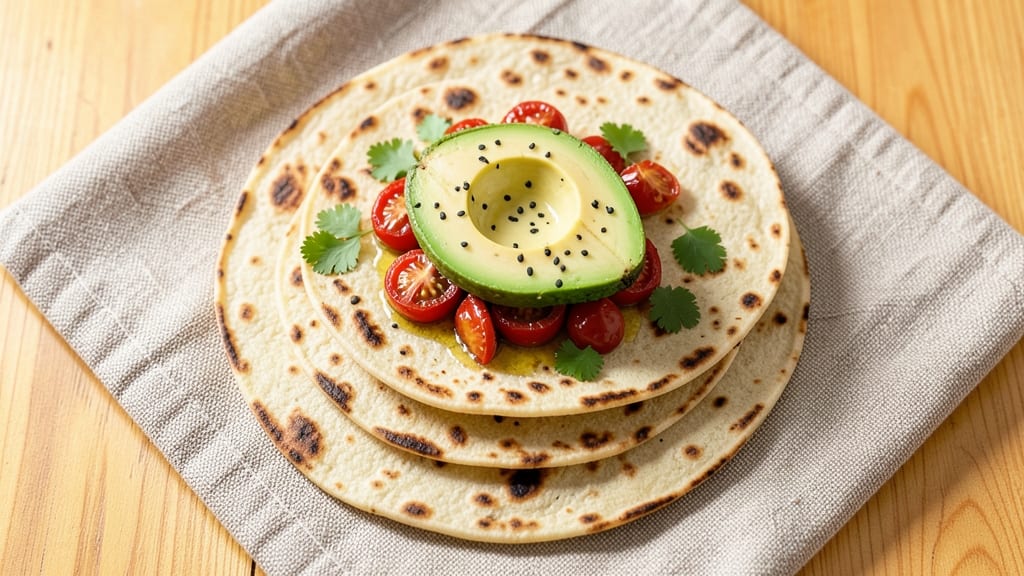
This garbanzo bean flour tortilla recipe delivers flaky, plant-based wraps that rival traditional corn tortillas in texture and versatility. I developed this method after testing countless gluten-free alternatives, and the secret lies in the perfect balance of hydration and resting time—no special equipment required.
The result is a tortilla that stays soft yet sturdy enough to hold fillings without tearing.
The beauty of garbanzo bean flour is its high protein content and neutral flavor, making these tortillas nutritious without sacrificing taste. Unlike store-bought versions, these contain no preservatives or artificial ingredients, just simple whole-food components.
Whether you're wrapping tacos, making quesadillas, or using them as a low-carb alternative, the possibilities are endless.
What sets these apart is the lightweight yet sturdy texture—achieved through a precise dough ratio and gentle rolling technique. The tortillas cook quickly on a dry skillet, developing just enough color to signal perfect doneness while maintaining a tender interior. They reheat beautifully too, making them ideal for meal prep.
Perfect for vegan diets, gluten-free diets, or anyone seeking a lighter tortilla option, these hold up to bold flavors while keeping calories in check. Let’s get started—your next taco night just got an upgrade.
Ingredients for garbanzo bean flour tortilla
Nine simple ingredients transform into flaky, plant-powered tortillas with restaurant-quality texture.
| Ingredient | Amount | Notes |
|---|---|---|
| Garbanzo Bean Flour 🍲 | 2 cups | High-protein, neutral flavor preferred |
| Tapioca Starch 🌾 | ½ cup | For elasticity and binding |
| Extra-Virgin Olive Oil 🫒 | 2 tbsp | Cold-pressed, fruity variety |
| Warm Water 💧 | 1 cup | 100°F for optimal hydration |
| Salt 🧂 | ½ tsp | Diamond Crystal kosher preferred |
| Avocado Oil 🫒 | 1 tbsp | High smoke point for cooking |
| Cumin Seeds 🌿 | ½ tsp | Toasted for aromatic depth |
| Ground Cumin 🌿 | ½ tsp | Earthy flavor complement |
| Lime Zest 🍋 | 1 tsp | Fresh, organic preferred |
The garbanzo bean flour is non-negotiable—it delivers that signature protein punch and neutral canvas for bold flavors. Bob's Red Mill or Anthony's Goods are my go-to brands for consistent quality. If you can't find garbanzo flour, chickpea flour works in a pinch, but texture may vary slightly. The tapioca starch is your secret weapon for elasticity—don't skip it. Warm water (not hot!) is crucial for proper hydration without activating the starch prematurely. I always measure mine with a thermometer to hit 100°F—just warm tap water works if you're in a hurry.
No avocado oil? Grapeseed oil or even light olive oil will do, though the higher smoke point of avocado oil gives you that perfect golden-brown finish. Want to kick up the flavor? Add smoked paprika at 1/4 tsp or a pinch of garlic powder. For a nuttier profile, swap half the garbanzo flour for almond flour (though texture will be slightly denser). The lime zest might seem minor, but it brightens the whole batch—use organic limes if possible, as conventional zest can carry a bitter aftertaste. Toasting the cumin seeds in a dry pan for 30 seconds before grinding releases their aroma—trust me, it makes a difference.
These tortillas stay fresh for 3 days wrapped in a clean kitchen towel at room temperature, but I recommend making them fresh for maximum flakiness. For meal prep, freeze between parchment paper—stack them, then wrap in foil. They reheat beautifully in a dry skillet or microwave (30 seconds between layers). Pro tip: Let them rest 10 minutes after rolling before cutting—this prevents cracking. Store cooked tortillas in an airtight container with a paper towel to maintain softness.
Why You'll Love This Recipe
- Five-Ingredient Magic: I swear by this recipe because it’s that simple—just flour, starch, oil, water, and salt. No yeast, no waiting, no fancy tools. Honestly, I’ve made these while scrolling through my phone, and they still turn out tender and sturdy.
- Nutty Crispy Edge: The tapioca starch gives them that perfect snap, while the garbanzo flour adds a warm, earthy depth. Toast one lightly in olive oil—suddenly, your burrito bowl or breakfast scramble feels like a restaurant dish. (Yes, even on a Tuesday night.)
- Wrap Anything, Anytime: These tortillas handle everything—spicy black beans, creamy avocado, or even a charred grilled cheese. I keep a stack in the freezer for lazy days or last-minute dinner guests. Between us, they’re my secret weapon for turning leftovers into a meal.
- Budget-Friendly Staple: A bag of garbanzo flour lasts forever, and you’re looking at pennies per tortilla. No more breaking the bank for specialty wraps, and no waste—just store extras in the fridge for up to a week. My wallet and my taste buds thank me.
Step-by-step instructions for garbanzo bean flour tortillas
Here's the method that transforms humble ingredients into delicate, flaky tortillas with perfect texture every time.
Toast the Spices for Maximum Flavor
In a dry skillet over medium heat, toast the 0.5 teaspoon cumin seeds for 1-2 minutes until they release their aroma and turn a rich golden color. You'll smell that deep, earthy scent—this is where the magic begins. Immediately transfer the toasted seeds to a small bowl and let them cool slightly before grinding with the 0.5 teaspoon ground cumin using a mortar and pestle or spice grinder.
The reason we toast the seeds first is to unlock their full flavor potential. Freshly toasted cumin adds a complexity that pre-ground spices simply can't match. Once ground, you'll have a fragrant, aromatic blend ready to elevate your tortillas beyond basic flavor. Keep this spice mixture nearby as we'll use it in the next step.
Combine Dry Ingredients for Perfect Texture
In a large mixing bowl, whisk together the 2 cups garbanzo bean flour and 0.5 cup tapioca starch. This combination creates the ideal balance of protein for structure and starch for elasticity. Add the toasted cumin mixture, 0.5 teaspoon salt, and 1 teaspoon lime zest, whisking until completely homogeneous and no dry spots remain.
The tapioca starch is absolutely critical here—it prevents the tortillas from becoming dense while maintaining their delicate flakiness. The lime zest adds a subtle citrus brightness that prevents the flour from tasting flat. Mix these ingredients thoroughly, breaking up any lumps in the garbanzo bean flour. The bowl should look like fine, uniform crumbs with no visible specks of lime zest remaining.
Incorporate Fats and Hydrate the Dough
Create a well in the center of your dry ingredients and add the 2 tablespoons extra-virgin olive oil and 1 tablespoon avocado oil. Using your fingers, work these oils into the flour mixture until you achieve a sandy, crumbly texture similar to coarse cornmeal. This is the perfect consistency for our next step.
Gradually add the 1 cup warm water (about 100°F) while mixing with a wooden spoon or your fingers. The dough will begin to come together as you incorporate the liquid. You'll notice it becomes slightly sticky but still manageable—this is ideal. If it feels too dry, add 1 teaspoon more warm water; if too sticky, sprinkle in 1 tablespoon more tapioca starch. The dough should hold together when pressed but not be wet or crumbly.
Rest the Dough for Optimal Elasticity
Divide the dough into 12 equal portions (about 2 ounces each) and shape each into a smooth ball. Place them on a lightly floured surface, cover with a clean kitchen towel, and let rest for 30 minutes. This resting period allows the gluten to relax and the starches to hydrate properly, which is essential for achieving that coveted flakiness.
During this time, preheat your oven to 350°F and line a baking sheet with parchment paper. The resting step might seem counterintuitive—after all, we want to cook these quickly—but it's what transforms good tortillas into exceptional ones. The dough will feel slightly tacky when you press it later, but that's exactly what we want for that delicate texture.
Roll and Cook to Golden Perfection
Working with one ball at a time, roll each portion between two sheets of parchment paper using a rolling pin until you achieve a 6-inch diameter with even thickness throughout. The edges should be slightly thinner than the center—this creates the perfect flaky layers as they cook. As you roll, you'll notice the dough becomes more pliable and easier to handle.
Carefully transfer each rolled tortilla to the prepared baking sheet, keeping them slightly overlapping to prevent sticking. Bake for 8-10 minutes until the edges are light golden brown and the centers are just beginning to set. The tortillas should feel firm to the touch but still slightly pliable. Remove them immediately as they'll continue cooking slightly on the hot sheet.
Stack and Serve Warm
Transfer the cooked tortillas to a clean kitchen towel and stack them with a dry towel on top, pressing gently for 5 minutes. This creates a professional stack that prevents them from sticking together. The tortillas should be warm to the touch and maintain their shape when handled—this indicates they've reached the perfect doneness.
Serve immediately while still warm for maximum flakiness. These tortillas hold their shape beautifully when wrapped around fillings while maintaining that delicate, almost paper-thin texture. The combination of toasted cumin, lime zest, and proper hydration creates a tortilla that's both nutritious and utterly delicious—perfect for tacos, quesadillas, or even as a wrap for your favorite sandwiches.
Pro Tips For Making Garbanzo Bean Flour Tortilla
- Mix in Stages: Don’t dump all the water at once—start with ¾ cup, mix until you get a shaggy dough, then add the rest. I learned this the hard way when my first batch turned into a sticky mess. The tapioca starch needs time to absorb, or you’ll end up fighting gluten-like elasticity that isn’t there.
- Use Room-Temp Water: Warm water helps, but room-temperature works better—no need to heat it. Cold water makes the garbanzo flour gummy; lukewarm water just speeds up hydration without overworking the dough. (Yes, even if you’re impatient like me.)
- Knead Just Enough: Handle the dough for 3–4 minutes max—just until it comes together. Over-kneading develops toughness, and this isn’t wheat flour. Press it gently, fold it once or twice, then let it rest. It’ll smooth out on its own.
- Roll Between Parchment: Skip the flour dusting—wrap the dough in parchment, then roll it. The paper keeps it from sticking, and you avoid the dry, gritty texture that comes from excess flour. Works for both thick or thin tortillas.
Essential equipment for perfect results
Essential Rolling Tools
You don’t need fancy equipment, but a few key tools make rolling these delicate tortillas effortless. My go-to is a 6-inch wooden rolling pin—the smooth surface prevents sticking, and the weight gives you even pressure.
For extra precision, I use two sheets of parchment paper between each tortilla to prevent tearing. If you’re short on time, a cast-iron skillet lid (about 7 inches wide) works perfectly for rolling directly over the heat source. 💪
Skillet Selection
A nonstick skillet (like All-Clad Stainless Steel or Cuisinart MultiClad) is ideal for cooking these tortillas—it ensures even heat distribution without sticking. However, I often use my Lodge cast-iron skillet for that classic crispiness, especially when making larger batches.
Just make sure to heat it over medium-low heat to prevent burning. A dry skillet is critical; no oil needed unless you want extra crispiness on the edges.
Storage Containers
For freshly made tortillas, I recommend airtight containers with parchment paper separators to prevent sticking. Glass Pyrex containers are my top choice—they’re microwave-safe and allow you to stack tortillas neatly. For freezing, I use quart-sized freezer bags with parchment paper between layers to maintain that flaky texture.
Avoid plastic wrap directly on tortillas, as it traps moisture and makes them soggy. 🥫
Optional Extras
Want to take your tortillas to the next level? A pastry brush helps evenly distribute oil when brushing the edges for extra crispiness. For meal prep, a digital kitchen scale ensures perfect 2-ounce portions for consistent sizing.
If you love texture, a microplane for lime zest gives you finer, more aromatic zest than a grater. These extras aren’t mandatory, but they elevate the process significantly.
Budget-Friendly Swaps
No fancy tools? No problem. Use a bottle or can (like a soda can) as a makeshift rolling pin—just roll gently to avoid crushing the tortillas. For storage, aluminum foil wrapped around stacks works in a pinch, though parchment is better for reheating.
A wooden spoon can help press dough into balls if you don’t have a scale. The key is patience—these tortillas are forgiving, and even basic tools will yield great results. 💡
Nutrition facts
Frequently asked questions
Why does my garbanzo flour tortilla dough crack when rolling?
The dough needs proper hydration and resting time. If it cracks, your dough might be too dry or you skipped the 30-minute rest. Add 1 teaspoon warm water and let it rest another 15 minutes before rolling. Also, roll gently between parchment paper to prevent tearing.
Can I make these tortillas without tapioca starch?
You can substitute with arrowroot powder or potato starch for similar elasticity, but texture may be slightly denser. The tapioca starch creates that signature flakiness—without it, your tortillas might feel heavier. If you're gluten-free, ensure your starch is certified GF.
How do I prevent these from getting soggy when reheating?
Reheat in a dry skillet over medium-low heat for 30-45 seconds per side or microwave between damp paper towels for 10-15 seconds. Never cover with wet towels—this traps steam. For storage, keep in an airtight container with parchment paper to maintain crispness.
Are these tortillas safe for nut-free diets?
Yes! This recipe is naturally nut-free as long as you use certified nut-free garbanzo bean flour. Always check labels, as some brands process in facilities with nuts. The tapioca starch and oils used here are typically nut-free, but cross-contamination can occur.
Can I make these in a food processor?
Not ideal—the dough needs gentle handling. Pulse the dry ingredients briefly to combine, then mix by hand with oils and water. Over-processing develops gluten, making tortillas tough. The finger-mixing method ensures proper texture. For large batches, divide into 4 portions and mix separately.