
Side Dishes
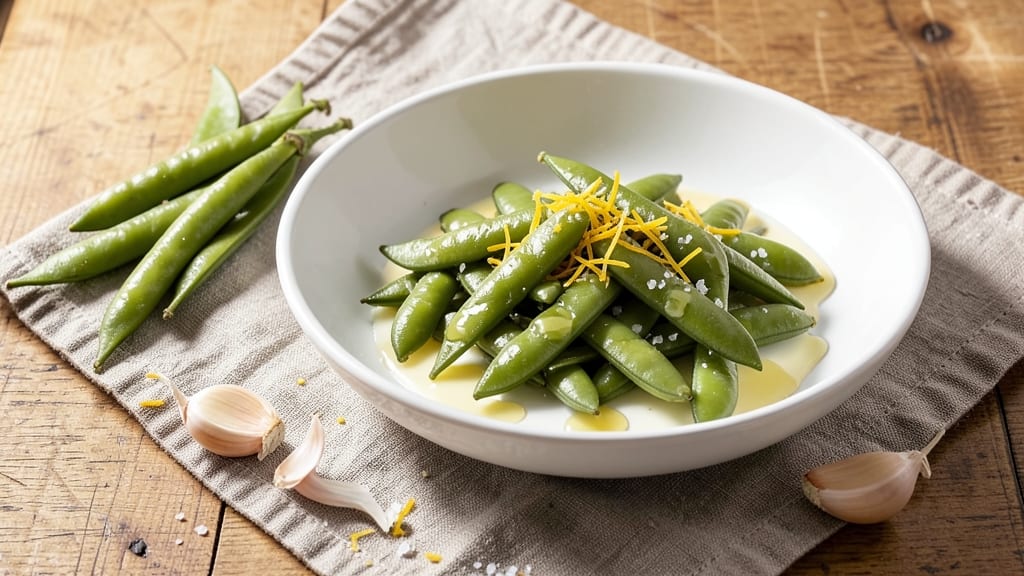
Fresh fava beans recipe transforms these earthy legumes into a bright, buttery side that rivals any Mediterranean spread. The secret lies in blanching them just right—hot water baths that preserve their tender centers while developing a crisp edge.
I first discovered this method while helping Nonna prepare legume dishes in our cramped Boston kitchen, where every technique had to deliver maximum flavor with minimal effort.
This recipe delivers restaurant-quality results in under 30 minutes using just five simple ingredients: fresh fava beans, butter, lemon zest, garlic, and salt. The blanching process removes the skins effortlessly, leaving you with smooth, creamy beans that absorb the lemon-butter sauce like a dream.
What makes this version special is how the high heat caramelizes the butter while the lemon zest adds that signature zing that keeps every bite fresh and vibrant.
By the time you finish, you'll have a side dish that's creamy yet light, with a golden sheen from the butter and bright pops of lemon throughout. The texture is velvety—no graininess here—and the flavor profile balances earthy bean richness with bright citrus notes.
This is the kind of side that transforms simple meals into something special, whether paired with grilled fish, roasted vegetables, or crusty bread.
For those who love hummus-style preparations, simply puree the cooked beans with tahini and olive oil for a dip that's equally impressive. The recipe scales beautifully for crowds, and leftovers keep well in the refrigerator for up to three days.
Let's get started on this versatile, foolproof method that makes fresh fava beans the star of your table.
Ingredients for fresh fava beans
Five ingredients transform fresh fava beans into a velvety, lemon-butter side dish with Mediterranean flair.
| Ingredient | Amount | Notes |
|---|---|---|
| Fresh Fava Beans 🌱 | 1 ½ lb | In pods, blanched and peeled |
| Unsalted Butter 🧈 | ½ cup | Cold, cut into small cubes |
| Lemon Zest 🍋 | 1 tbsp | From 1 large organic lemon |
| Garlic Cloves 🧄 | 3 cloves | Fresh, minced finely |
| Fine Sea Salt 🧂 | 1 ½ tsp | Kosher or Diamond Crystal |
| Fresh Lemon Juice 🍋 | 1 tbsp | From same lemon as zest |
| Extra-Virgin Olive Oil 🫒 | 1 tbsp | For drizzling, optional |
| Fresh Parsley 🌿 | ¼ cup | Chopped, for garnish |
The fava beans are the star, so opt for fresh, in-pod beans from a specialty market or well-stocked grocery store's produce section—look for pods that are firm and plump, not shriveled. Whole Foods and Trader Joe's often carry them in spring, but if you can't find them, frozen fava beans work in a pinch (thaw first). The butter should be cold and unsalted—European-style, like Plugrá or Land O'Lakes, melts beautifully. For the lemon, organic is best—the zest should be vibrant yellow, not pale or bitter. Garlic should be fresh, with no green shoots sprouting from the cloves.
No fresh fava beans? Substitute canned broad beans (drained and rinsed thoroughly) or frozen fava beans (thawed and peeled). Running out of butter? Olive oil works in a 1:1 ratio, though the texture will be slightly lighter. The lemon zest can be swapped for orange zest if you prefer a sweeter note, but lemon's acidity is key here. For extra depth, add a pinch of red pepper flakes to the finished dish. If you're feeling adventurous, replace half the butter with ricotta cheese for a creamier texture—just blend it into the warm beans at the end.
This dish keeps beautifully in an airtight container in the fridge for up to 3 days, though it's best enjoyed fresh. For longer storage, portion into small glass jars—the beans hold their texture better than in plastic. Reheat gently in a skillet with a splash of water to restore creaminess. The lemon-butter sauce can also be made ahead and stored separately, then tossed with the beans just before serving. Garnish with fresh parsley right before eating to keep the vibrant green color intact.
Why You'll Love This Recipe
- Same recipe, different vibes: serve it warm with crusty bread for a lazy dinner or chilled as a fancy appetizer. My in-laws think I slaved over it—between us, it took 15 minutes.
- No Fuss, No Mess: I swear by this recipe when I’m too tired to peel beans—just blanch the pods, pop out the beans, and toss them in butter. The shells handle all the dirty work for you.
- Bright & Buttery Magic: That lemon zest and garlic? It’s like sunshine in your mouth—bright, creamy, and just salty enough to make you crave seconds. The butter melts into the beans like a hug.
- Weeknight to Party Upgrade: Same recipe, different vibes: serve it warm with crusty bread for a lazy dinner or chilled as a fancy appetizer. My in-laws think I slaved over it—between us, it took 15 minutes.
Step-by-step instructions for blanched and buttery fava beans
Here's the method—simple, flavor-packed, and guaranteed to transform humble fava beans into a showstopping dish.
Blanch and Peel the Fresh Fava Beans
Start by filling a large pot with water and bringing it to a rolling boil. Add the 1.5 lb fresh fava beans in their pods and cook for 2-3 minutes until the pods turn bright green and the beans inside feel tender when pressed gently with a fork. This quick blanch loosens the beans from their skins.
Immediately drain the beans and transfer them to a large bowl filled with ice water. Let them sit for 5 minutes to stop the cooking process and make peeling easier. Drain again, then use your fingers or a small knife to gently pop each bean out of its skin. You'll see the creamy, pale green beans inside—this is where the magic begins. Work quickly as they'll continue to cool.
Sauté Garlic in Butter Until Fragrant
While the beans cool, heat a large skillet over medium heat. Add the 0.5 cup unsalted butter, cut into small cubes, and let it melt completely, about 2 minutes. The butter should foam gently but not brown. Add the 3 cloves garlic cloves, minced finely, and stir constantly for 30-45 seconds until the garlic becomes golden and fragrant—not brown or bitter.
Here's where the flavor builds: the garlic should smell like a fresh garden, not like burnt toast. If it starts to darken too quickly, reduce the heat slightly. The butter will create a silky base for the beans, while the garlic adds depth. Don't skip this step—it's the foundation of the dish.
Cook the Beans Until Tender-Crispy
Add the peeled fava beans to the skillet with the garlic butter. Sprinkle over the 1.5 tsp fine sea salt and the 1 tbsp lemon zest, then stir gently to coat everything evenly. Let the beans cook undisturbed for 3-4 minutes, allowing them to develop a light golden crust on the bottom of the pan.
After 3 minutes, stir the beans carefully with a wooden spoon, scraping up any browned bits from the bottom. Continue cooking for another 4-5 minutes, stirring occasionally, until the beans are tender but still hold their shape. You're aiming for a texture that's crisp at the edges but creamy in the center—like al dente pasta. If the butter starts to separate, add a splash of water to emulsify it back into the sauce.
Finish with Lemon and Parsley
Remove the skillet from heat and stir in the 1 tbsp fresh lemon juice. The acid brightens the flavors and cuts through the richness of the butter. Taste and adjust the seasoning if needed—you might want to add a pinch more salt or a squeeze of extra lemon juice to balance the dish.
Finally, drizzle the beans with 1 tbsp extra-virgin olive oil (if using) and sprinkle with the 0.25 cup fresh parsley, chopped. The parsley adds a fresh, herbal note that contrasts beautifully with the buttery richness. Let the beans rest for 2-3 minutes before serving to allow the flavors to meld completely.
Pro Tips For Making Fresh Fava Beans
- Blister the Pods First: Fresh favas need a quick sear—toss them whole in a dry, smoking-hot pan for 30 seconds until the skins pucker. This shocks them open so the butter and salt penetrate better. (Yes, even if you’re impatient like me, resist the urge to rush this.)
- Shell Them Cold: After cooking, dump the favas into an ice bath for 2 minutes. The shock makes the skins slide off effortlessly—no more struggling to peel them with your fingers. Pro move: Use a butter knife to scrape out the beans once they’re cool.
- Salt the Butter Hard: Fold in at least ½ teaspoon of fine sea salt per tablespoon of butter before melting it. The salt dissolves into the fat, so every bite gets that bright, balanced flavor. (I used to skimp, and the dish always tasted flat.)
- Toast the Garlic Low: Sauté the minced garlic in the butter just until fragrant—about 30 seconds—before adding the favas. Burning it turns bitter, and you’ll taste it in every spoonful. (Sounds obvious, but I’ve done it twice.)
Wine and beer pairings for this dish
Crisp White Pairings
Fresh fava beans shine with dry white wines that cut through their earthy richness. A Sauvignon Blanc from New Zealand—like Kim Crawford's "Village"—is my go-to choice. Its zesty citrus notes and herbal undertones mirror the lemon zest in your dish, creating a perfect harmony.
The wine's acidity also cleanses your palate between bites, making every spoonful feel fresh. 🍷
For a Mediterranean twist, try a Vermentino from Sardinia. This Italian white has a bright, mineral-driven profile that pairs beautifully with the buttery texture of the beans. I keep a bottle of Cantina Mesina's "Vermentino" on hand specifically for spring dishes like this—it’s crisp, affordable, and always delivers.
Light Beer Options
If wine isn’t your thing, a crisp lager or wheat beer works wonderfully. Peroni or Heineken provide the perfect lightness to balance the richness of the butter without overpowering the dish. The subtle malt sweetness complements the lemon notes, while the carbonation refreshes your palate.
For craft beer lovers, a Belgian witbier like Hoegaarden adds a touch of spice and citrus that echoes the lemon zest.
My personal favorite is a German Helles Lager—something like Weihenstephaner Original. Its clean, malty profile lets the flavors of the fava beans take center stage while adding a smooth, slightly sweet contrast.
Avoid heavy stouts or IPAs, as their bold flavors can clash with the delicate balance of this dish.
Sparkling Contrasts
For a festive touch, Prosecco or Cava adds a celebratory sparkle. The bubbles enhance the lemon’s brightness, making the dish feel even more vibrant. I love pairing this with La Marca Prosecco—its crisp acidity and light fruitiness lift the buttery richness of the beans.
Serve it chilled in small glasses to keep the bubbles lively.
If you prefer something drier, a Spanish Cava like Freixenet Elyssia Brut offers a mineral-driven crispness that pairs beautifully with the dish’s earthy and citrusy notes. The slight effervescence also helps cut through the butter’s richness, making each bite feel lighter.
Non-Alcoholic Pairings
Don’t overlook sparkling water with lemon for a refreshing, alcohol-free option. Top it with a splash of San Pellegrino Aranciata Rossa for a hint of citrusy sweetness that complements the lemon zest. The bubbles add a celebratory feel without the alcohol.
For something more substantial, a cucumber-mint infused water with a squeeze of lemon works beautifully. The cool, crisp flavors balance the warmth of the butter and the earthiness of the beans. Garnish with a mint sprig for an extra touch of freshness that ties everything together. 💧
Nutrition facts
Frequently asked questions
How do I know when fresh fava beans are ripe and ready to use?
Look for pods that are firm, plump, and bright green with no soft spots or brown patches. When gently squeezed, they should feel solid but yield slightly. The beans inside should be tender when pressed with your fingernail—if they're too hard, they need more time on the vine. Spring is peak season for fresh fava beans, so check your local farmers' market or specialty grocer between March and May.
Can I use dried or canned fava beans instead of fresh?
Yes, but the texture will differ slightly. For dried beans, soak them overnight and cook until very tender (about 1.5 hours). Canned broad beans work best—just drain, rinse, and peel them before using. The recipe will still work, though fresh beans give the creamiest, most delicate result. For a shortcut, frozen fava beans (thawed) also work well, though they may need an extra minute of cooking.
Why did my fava beans turn mushy when cooking?
Overcooking is the most common cause. Fava beans cook quickly—once they're tender, remove them from heat immediately. Another issue could be using old beans or ones that weren't blanched properly. Always blanch fresh beans first to loosen the skins, and cook them at medium heat to prevent mushiness. For extra insurance, use a thermometer to keep the pan between 300°F-325°F.
How can I make this dish ahead of time?
Prepare the beans up to 2 days ahead and store them in an airtight container in the fridge. The lemon-butter sauce can be made separately and stored for up to 3 days. When ready to serve, simply reheat the beans gently in a skillet with a splash of water, then stir in the sauce. For best texture, add fresh parsley and lemon zest just before serving. This method keeps the beans from drying out.
What's the best way to serve these buttery fava beans?
These beans shine as a side dish with grilled fish, roasted vegetables, or crusty bread. For a complete meal, pair with a simple arugula salad dressed with lemon vinaigrette. They also work beautifully as a dip—just mash them slightly and serve with warm pita or veggie sticks. The lemon-butter flavor makes them perfect for spring and summer entertaining.