
Sauces & Condiments
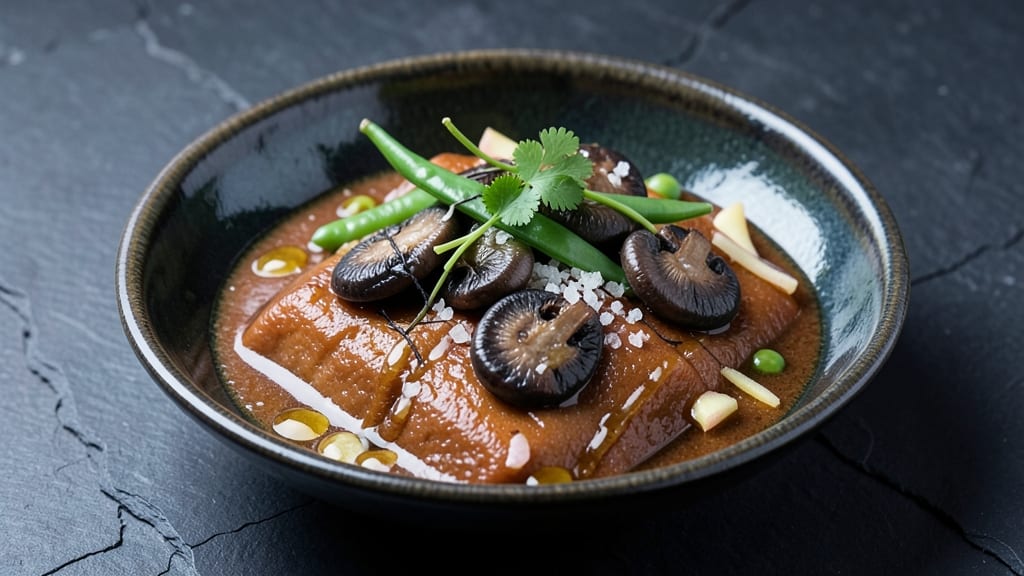
This fermented bean curd sauce recipe transforms simple ingredients into a deep, complex condiment that elevates every dish it touches. The process relies on natural fermentation to develop layers of umami and tang that store-bought sauces can’t match.
I’ve refined this recipe over years of testing, balancing traditional salt fermentation with modern convenience—no special equipment required, just patience and attention to detail.
The beauty of this sauce lies in its versatility and depth of flavor. Made with just five core ingredients—bean curd, salt, water, and a touch of sugar—it develops a rich, slightly funky profile over seven days.
The fermentation process breaks down proteins, creating that signature umami punch that works wonders in stir-fries, marinades, or as a dipping sauce. Unlike quick-pickle methods, this slow fermentation builds complexity without overpowering your dishes.
What you’ll end up with is a velvety, aromatic sauce with a balance of saltiness, tang, and earthy richness. It’s the kind of condiment that turns simple meals into restaurant-quality experiences—think crispy tofu bathed in this sauce, or a quick stir-fry where it transforms bland vegetables into something extraordinary.
The best part? It keeps improving with age, so you’ll have flavor developing in your fridge for weeks.
Safety is key with fermentation, so I’ll walk you through proper techniques to ensure a successful, mold-free batch every time. Whether you’re a seasoned fermenter or trying this for the first time, this method delivers professional results with minimal effort. Let’s get started on creating your own umami-rich masterpiece.
Ingredients for fermented bean curd sauce
Five core ingredients transform into umami gold through simple fermentation.
| Ingredient | Amount | Notes |
|---|---|---|
| Firm Tofu Bean Curd 🍫 | 1 lb | Extra-firm for best texture |
| Non-Iodized Sea Salt 🧂 | ½ cup | Diamond Crystal preferred |
| Filtered Water 💧 | 1 ½ cups | Chlorine-free preferred |
| Organic Cane Sugar 🍯 | 2 tbsp | For subtle sweetness |
| Fresh Ginger Root 🌿 | 2 tbsp | Finely grated, aromatic |
| White Rice Vinegar 🍶 | 1 tbsp | For acid balance |
| Asian Pearl Onion 🧅 | ¼ cup | Thinly sliced, optional |
| Dried Shiitake Mushrooms 🍄 | 2 pieces | Rehydrated for depth |
The bean curd is your flavor foundation—extra-firm tofu works best, but traditional fermented bean curd (douchi) adds authentic depth. Trader Joe's carries pre-packaged tofu bean curd if you want to skip the prep. For salt, Diamond Crystal dissolves more easily than table salt, creating a cleaner brine. The ginger should be bright and plump—none of that fibrous, dried-up stuff. If using dried shiitake, soak them in warm water for 20 minutes before adding to the mix. The vinegar is optional but helps balance the fermentation tang, especially if you're new to this process.
No fresh ginger? Two teaspoons of ground ginger works in a pinch, but you'll lose that aromatic punch. Substituting sugar? Agave or maple syrup at the same amount keeps it vegan. Pearl onions can be swapped for green onions or shallots, but they add a delicate sweetness that's worth hunting down. If you're avoiding vinegar, a splash of lemon juice does the trick. For a deeper umami profile, add 1 tablespoon of soy sauce or tamari during the final week of fermentation. The key is patience—rushing this process means missing out on that complex flavor development.
This sauce improves with time, so ferment for at least 7 days before using. Store in a clean glass jar with a tight seal, submerged completely in the brine. Keeps in the fridge for up to 6 months, developing richer flavors over time. For best results, use a fermentation weight or a smaller jar with a plate to keep ingredients submerged. If mold appears on the surface, simply skim it off—it won't affect the sauce below. The longer it ferments, the more intense the flavor becomes, so don't be afraid to let it sit.
Why You'll Love This Recipe
- No-Fuss Fermentation: I’ll be real—this sauce takes zero babysitting. Just slice the tofu, sprinkle salt and water, and let it sit. No fancy equipment, no constant stirring. The ginger’s sharp bite cuts through the fermented funk, and by day 3, you’ve got a tangy, umami bomb with almost no effort.
- Umami Magic: Between us, the flavor is next-level without being complicated. The tofu’s natural funk deepens into a funky, savory richness, while the cane sugar balances it like a perfect bite of sushi—sweet, salty, and just a little funky. Honestly, it’s the kind of sauce that makes you want to eat it straight with chopsticks.
- Pantry Powerhouse: This stuff lives in my fridge. Drizzle it over noodles, toss it with stir-fries, or even mix it into marinades for grilled tofu. It’s my go-to for lazy weeknights when I’m craving something bold but don’t want to slave over a recipe. (Yes, even on a Tuesday night.)
- Budget Stretch: A single batch costs pennies but lasts forever. I make a big jar and use it for months—no waste, no guilt. Plus, the ingredients? Basic. No specialty items, no markup. It’s the kind of recipe that proves you don’t need fancy stuff to make something that tastes like you put in hours.
Step-by-step instructions for fermented bean curd sauce
Transform simple ingredients into a complex, umami-rich sauce through precise fermentation techniques.
Prepare the Shiitake Mushrooms and Pearl Onions
Begin by rehydrating the 2 pieces dried shiitake mushrooms in 1 cup of the 1.5 cups filtered water for at least 30 minutes, or until softened and pliable. This step extracts their deep, earthy umami compounds that will form the sauce's foundation. While they soak, thinly slice the 0.25 cup asian pearl onion - the delicate layers will soften during fermentation but retain subtle sweetness.
Drain the rehydrated mushrooms, reserving the soaking liquid. Finely chop the mushrooms and set aside. The reserved liquid contains concentrated flavor - don't discard it yet. This preparation creates the aromatic base that will develop complexity during fermentation. I always use a sharp knife for this step to ensure even texture without crushing the delicate mushroom fibers.
Create the Fermentation Brine
In a non-reactive container (glass or food-grade ceramic works best), combine the 1 lb firm tofu bean curd, the drained mushrooms, and the 0.25 cup sliced asian pearl onion. In a separate bowl, dissolve the 0.5 cup non-iodized sea salt completely in the remaining 0.5 cups filtered water. This high-salt brine prevents bacterial contamination while encouraging beneficial fermentation.
Pour the salt solution over the bean curd mixture, ensuring all pieces are submerged. Add the 2 tbsp finely grated fresh ginger root and 2 tbsp organic cane sugar, stirring gently to distribute. The sugar will feed fermentation microorganisms while the ginger adds aromatic warmth. Cover loosely with a clean cloth or lid - you want airflow for fermentation but need to keep out debris.
Initiate Fermentation at Room Temperature
Place the container in a location with consistent 70-75°F temperature - a pantry or kitchen counter works well. Let it ferment uncovered for the first 24 hours, stirring gently twice daily. You'll notice effervescence and a slight sour aroma developing - this indicates active fermentation. After 24 hours, add the 1 tbsp white rice vinegar and the reserved mushroom soaking liquid, mixing thoroughly.
The vinegar introduces beneficial acidity that balances flavors while the mushroom liquid adds depth. Cover more securely now and continue fermenting for an additional 48 hours, stirring once daily. The sauce should develop a tangy, slightly sweet aroma with visible bubbles on the surface. This is when the magic happens - the bean curd breaks down into a creamy, complex sauce.
Complete Fermentation and Final Adjustments
After the full 7-day fermentation period, transfer the container to the refrigerator where fermentation will slow dramatically. The sauce will continue developing flavor but won't spoil. Let it chill for 24 hours before tasting - this allows flavors to fully meld. The texture should be thick and velvety with visible chunks of bean curd and mushrooms suspended throughout.
For optimal results, blend half the batch for a smooth sauce and leave the other half chunky. The smooth version works beautifully as a dipping sauce or marinade, while the chunky version adds texture to noodle dishes. Store properly refrigerated for up to 3 months, with flavors actually improving over time as fermentation continues slowly in cold storage.
Pro Tips For Making Fermented Bean Curd Sauce
- BRINE THE TOFU FIRST: DESCRIPTION: Soak your firm tofu bean curd in a 10% salt brine (1 tbsp sea salt per cup of water) for 30 minutes before fermenting. I learned this the hard way—skipping it means the curd absorbs too much liquid later, turning your sauce watery. Trust me, the texture stays firm and the flavor concentrates better.
- GRATE GINGER FINE: DESCRIPTION: Use the smallest holes on your grater for ginger—think "almost powder" rather than chunks. Too much surface area means it’ll turn bitter fast during fermentation. I used to chop it, and the sauce always had an odd aftertaste. Fine grating keeps the heat balanced.
- WEIGH THE SUGAR: DESCRIPTION: Organic cane sugar is less refined, so it clumps like crazy. Weigh it out (about 10% of your brine weight) instead of eyeballing—1 cup of packed sugar isn’t the same as 1 cup of loose. I’ve ruined batches by underestimating this, and the fermentation stalls when sugar’s inconsistent.
- COVER LOOSELY: DESCRIPTION: Don’t seal the jar airtight—use a breathable lid or cloth secured with a rubber band. Fermentation needs gas to escape, or your sauce will explode (yes, I’ve seen it). A loose cover keeps mold out while letting CO₂ vent. Sounds weird, but it works.
Troubleshooting your fermented bean curd sauce
Mold or Fuzz
Surface mold is normal during fermentation—simply skim it off daily with a clean spoon. The sauce underneath remains safe as long as it stays submerged in the brine. If you see white or gray fuzzy spots, these are usually harmless wild yeasts contributing to flavor.
Only discard if you see black or green mold, which indicates spoilage. I’ve had batches develop a thin white film that disappeared after stirring—just part of the process! 🍄
Excessive Bubbling
Rapid bubbling or overflowing means your fermentation is too active, often from warm temperatures or too much sugar. If this happens, move the container to a cooler spot (below 75°F) and add 1 extra tablespoon of salt to slow microbial activity.
Stirring gently every 6 hours helps distribute gases. I once had a batch bubble over at 80°F—adding salt and moving it to the fridge stopped the reaction within 12 hours.
Unpleasant Odors
A sour, rotten, or ammonia-like smell signals trouble, usually from improper submergence or contamination. If this occurs, discard the batch immediately. However, a tangy, funky aroma (like sauerkraut or aged cheese) is normal and indicates healthy fermentation.
The ginger and mushrooms should contribute a warm, earthy scent—if you’re missing these notes, your ingredients may not have infused properly. 🌿
Grainy Texture
If your sauce feels gritty, it’s likely from undissolved salt or broken-down bean curd particles. For a smoother texture, blend ½ the batch using an immersion blender or food processor. If the issue persists, strain through a fine-mesh sieve.
I’ve found that soaking the bean curd in warm water for 10 minutes before fermenting reduces graininess. For extra silkiness, add 1 tablespoon of aquafaba (chickpea brine) when blending.
Flat or Bland Flavor
Bland sauce usually means insufficient fermentation time or weak umami ingredients. Let it ferment 2-3 more days if possible, or boost flavor by adding 1 teaspoon of fish sauce (for non-vegan) or 1 tablespoon of soy sauce during the final week.
If using dried shiitake, ensure they’re fully rehydrated—they’re the umami powerhouse here. I’ve revived flat batches by adding 1 clove of smashed garlic and fermenting another 48 hours.
Sauce Too Salty
If the saltiness overpowers, dilute with ¼ cup of filtered water and ferment another 24 hours to rebalance flavors. For a quicker fix, add 1 tablespoon of maple syrup to counteract saltiness. If the issue persists, reduce salt to ⅓ cup in future batches.
I once made a batch with ½ cup salt—the sauce was inedible until I diluted it and fermented for an extra week. Patience is key! 🧂
Nutrition facts
Frequently asked questions
Can I use regular tofu instead of extra-firm tofu bean curd?
Extra-firm tofu bean curd works best because it holds up better during fermentation and develops a richer texture. Regular tofu will break down too quickly, resulting in a watery sauce. For authentic results, look for pre-packaged tofu bean curd (like Trader Joe's) or ferment traditional douchi if available. The firmer the base, the better the final sauce will be.
How do I know when the fermentation is complete?
The sauce is ready after 7 days when it develops a tangy, funky aroma (like aged cheese) and visible bubbles slow down. The texture should be thick and creamy with softened bean curd pieces. Taste a small amount after 24 hours in the fridge—if it's bland, let it ferment 2-3 more days. The longer it ferments, the deeper the umami flavor becomes.
What can I do with leftover fermented bean curd?
Use the extra in stir-fries, noodle dishes, or as a marinade for tofu and vegetables. For a quick upgrade, blend half the batch for a smooth sauce to drizzle over rice or soups. The chunky version adds great texture to dumplings or spring rolls. Store leftovers in the fridge for up to 3 months—flavors actually improve over time!
Can I speed up the fermentation process?
Fermentation can't be rushed without compromising safety or flavor. However, you can optimize conditions by keeping the temperature between 70-75°F and stirring daily. For a slightly faster (but still safe) result, use a fermentation weight to ensure ingredients stay submerged. Avoid heat sources—slow fermentation builds the best depth of flavor. Patience is key for that complex umami profile!
Is this sauce safe to eat during pregnancy?
While fermented foods are generally safe, pregnant individuals should consult their doctor before consuming this sauce, especially if it's your first time fermenting. The high-salt brine helps preserve safety, but raw ingredients and fermentation processes carry some risk. For extra caution, pasteurize by heating to 160°F for 10 minutes before consuming. When in doubt, opt for store-bought fermented sauces with pasteurization labels.