
Side Dishes
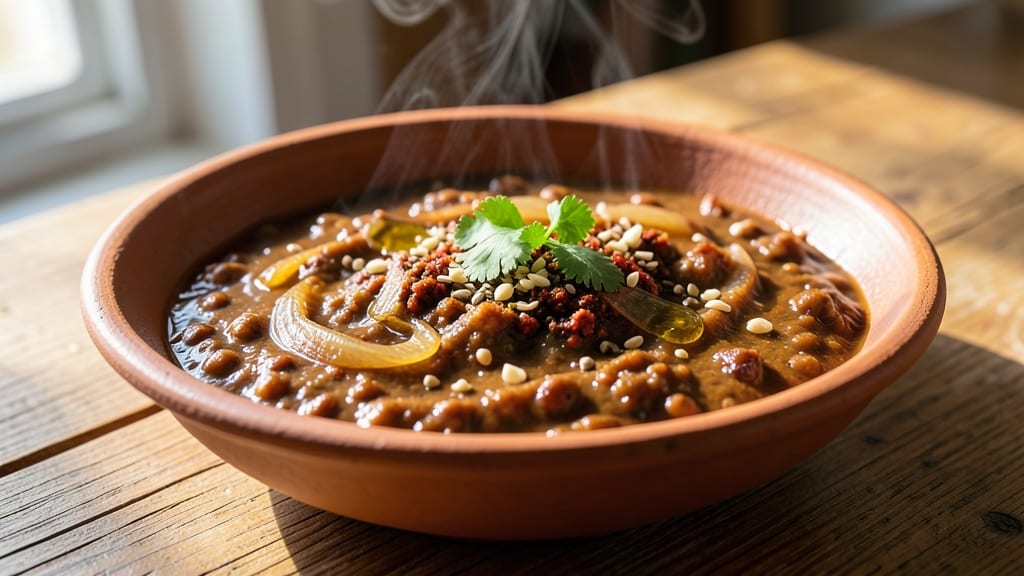
Ethiopian beans recipe brings the bold flavors of Misir Wot to your table, where spicy red lentils simmer in a rich berbere-spiced sauce until tender and deeply aromatic.
This traditional dish is more than just a side—it's a celebration of Ethiopia's vibrant culinary heritage, packed with earthy spices and hearty texture that pairs perfectly with injera or steamed rice.
I've perfected this method over years of testing, ensuring the lentils stay intact while absorbing the complex flavors of the berbere blend.
The beauty of this recipe lies in its simplicity and depth. With just a handful of ingredients—red lentils, onions, garlic, ginger, and the signature berbere spice—you create a dish that's naturally gluten-free and vegetarian-friendly.
The key is slow cooking, which allows the spices to meld and develop that signature Ethiopian warmth without overpowering the lentils. Every bite delivers a perfect balance of heat, earthiness, and subtle sweetness from the caramelized onions.
What you'll end up with is a pot of deeply flavorful lentils that are tender yet hold their shape, coated in a sauce that's rich, slightly tangy, and just spicy enough to linger.
The aroma alone will transport you to an Ethiopian restaurant, but the taste proves you can recreate that restaurant-quality experience at home. This dish is hearty enough to stand as a main, yet traditional enough to serve alongside grilled meats or as a centerpiece for a vegetarian feast.
Perfect for weeknight dinners or special occasions, this Ethiopian beans recipe is versatile and deeply satisfying. Once you try it, you'll understand why it's a staple in Ethiopian cuisine—and why it deserves a permanent spot in your recipe rotation. Let's get cooking!
Ingredients for ethiopian beans
Just twelve ingredients transform into Ethiopia's iconic spiced lentils, rich with berbere heat and caramelized depth.
| Ingredient | Amount | Notes |
|---|---|---|
| Red Lentils 🌾 | 1 ½ cups | Dried, rinsed well before cooking |
| Yellow Onions 🧅 | 1 whole | Medium size, finely chopped |
| Garlic Cloves 🧄 | 4 cloves | Fresh, peeled and minced |
| Fresh Ginger 🌿 | 1 tbsp | Grated, finely for best flavor |
| Berbere Spice Blend 🌶️ | 2 tbsp | Authentic Ethiopian blend |
| Vegetable Oil 🫒 | 2 tbsp | Neutral flavor preferred |
| Tomato Paste 🍅 | 1 tbsp | Smooth, no sugar added |
| Water 💧 | 3 cups | Room temperature preferred |
| Lemon Juice 🍋 | 1 tbsp | Freshly squeezed |
| Salt 🧂 | ½ tsp | Diamond Crystal kosher |
| Ground Black Pepper 🌶️ | ¼ tsp | Freshly ground preferred |
| Fresh Cilantro 🌿 | ¼ cup | Chopped, for garnish |
The berbere blend is non-negotiable here—Ethiopian Epicery or Spicewalla carry the real deal, but Amazon has solid options too. Look for vibrant red color and a mix of spices like paprika, fenugreek, and cardamom. Fresh ginger matters: Whole Foods or Asian markets often have the freshest roots. The red lentils should be uniform in size—Bob's Red Mill brand is my go-to, but any dried red lentils work. Chop the onions finely for that signature Ethiopian texture, and don't skip rinsing the lentils—they cook faster and avoid bitterness.
No berbere? Substitute 1 tbsp smoked paprika + 1 tsp each of cumin, coriander, and fenugreek—it's not identical, but close. Fresh ginger too pungent? Ground ginger at half the amount works in a pinch. The tomato paste can be skipped if you prefer a more traditional version, but it adds that subtle tang. For extra richness, stir in 1 tbsp tahini at the end. The cilantro is optional but brightens the dish—dried oregano at one-third the amount if you're out. The onions caramelize beautifully, so don't rush this step—10 minutes low and slow makes all the difference.
This keeps beautifully for 5 days in the fridge, with flavors deepening overnight. Freeze portions for up to 3 months—it reheats like a dream. I always make a double batch: one for dinner, one for lunches. The berbere spice blend stays potent for 6 months in a sealed jar, so buy extra if you're hooked. Serve with warm injera or crusty bread—Ethiopian restaurants use both, and honestly, it's a great way to soak up every last bit of that spiced sauce.
Why You'll Love This Recipe
- No Chopping Chaos: I swear by this—just dice one onion, mince a few garlic cloves, and grate a thumb of ginger. That’s it. The lentils soften themselves while you stir, and the berbere does all the flavor work. Honestly, I’ve made it after a 10-hour shift with zero prep stress.
- Spice Bomb Magic: That berbere blend? It’s the star. Smoky, citrusy, with a kick that lingers—like a warm hug from a spice cabinet. The lentils soak up the depth while staying tender, and the garlic-ginger base ties it all together. I’ll be real: my first batch had me reaching for seconds before the pot even cooled.
- Weeknight to Potluck: This dish works everywhere. Slap it on rice for a Tuesday dinner, bring it to a picnic in a thermos, or serve it over injera at your next Ethiopian feast. The flavors only get better the next day, so it’s my go-to when I’m lazy or when I’m hosting. (Yes, even on a Tuesday night.)
- Pantry Hero: Red lentils are my budget secret weapon—cheap, shelf-stable, and packed with protein. A pound of them feeds four, and the spices cost less than takeout. Plus, leftovers freeze like a dream, so I double the batch and thank myself later. Not the prettiest, but the taste makes up for it every time.
Step-by-step instructions for Ethiopian spiced lentils
Here's how to transform simple lentils into a fragrant, berbere-spiced dish that captures Ethiopia's bold flavors.
Sauté Aromatics Until Golden
Heat the 2 tablespoons vegetable oil in a medium pot over medium heat. Add the 1 whole yellow onions, finely chopped, and cook for 5-6 minutes until softened and translucent. The onions should release their natural sweetness without browning.
Add the 4 cloves garlic cloves, minced, and the 1 tablespoon fresh ginger, finely grated. Cook for 1-2 minutes until the garlic becomes fragrant and the ginger loses its raw bite. This aromatic base forms the flavor foundation—don't rush this step or the spices won't develop properly.
Toast Spices and Add Tomato Paste
Reduce heat to medium-low and stir in the 2 tablespoons berbere spice blend. Toast for 1-2 minutes until the spices release their deep, earthy aroma. You'll smell notes of cardamom, fenugreek, and chili—this is where the magic happens. Be careful not to burn the spices.
Add the 1 tablespoon tomato paste and stir for 30 seconds until it darkens slightly. The paste helps thicken the sauce and adds a subtle sweetness that balances the berbere's heat. This is the moment that matters: the spices should smell rich and complex, not acrid.
Simmer Lentils Until Tender
Add the 1.5 cups red lentils, rinsed well, and stir to coat in the spiced oil. Pour in the 3 cups water and bring to a boil. Once boiling, reduce heat to low, cover, and simmer for 20-25 minutes until the lentils are tender but still hold their shape. Stir occasionally to prevent sticking.
I know it seems like a long time, but patience here ensures perfect texture. The lentils should be soft enough to mash slightly between your fingers but still maintain their form. If the mixture gets too thick, add ½ cup water to maintain consistency.
Finish with Acid and Seasoning
Remove from heat and stir in the 1 tablespoon lemon juice, 0.5 teaspoon salt, and 0.25 teaspoon ground black pepper. The lemon brightens the dish and cuts through the richness of the berbere. Taste and adjust seasoning—you may need more salt or lemon depending on your berbere blend.
Let the lentils sit covered for 5 minutes to thicken slightly. The flavors will meld beautifully during this resting time. For the final touch, stir in the 0.25 cup fresh cilantro, chopped, just before serving to keep it vibrant and fresh.
Pro Tips For Making Ethiopian Beans
- Bloom the Berbere: Toss the spice blend into your hot oil first—let it sizzle and sing for 30 seconds before adding onions. I learned this the hard way: skipping this step means you’re just stirring dry powder into your dish, and the flavor never wakes up. The oil should turn a deep, rusty red—like a sunset over Addis.
- Grate, Don’t Mince Ginger: Use a microplane or fine grater for ginger, not a knife. You want a paste, not chunks, so the heat can pull every bit of zing into the onions. I was skeptical until I tried it—now my beans have that bright, layered kick without any lingering bite.
- Salt the Lentils Early: Add a pinch of salt to the raw lentils before they hit the pot. It keeps them from turning mushy later, and the flavor gets infused from the start. Yes, even if you’re doubling the recipe—trust me, your future self will notice the difference.
- Simmer, Don’t Boil: Once the lentils are tender, drop the heat to a bare simmer and let them cook uncovered for 5–7 minutes. This thickens the sauce naturally without turning it gluey. I used to rush this, and the result was always a sad, watery mess. Patience here makes all the difference.
Pro cooking tips for ethiopian beans
Spice Toasting Mastery
The berbere blend is the soul of this dish, so toasting it properly is non-negotiable. Use medium-low heat and stir constantly for exactly 1-2 minutes—any longer risks burning the spices and turning them bitter.
I like to spread the berbere in a thin layer across the onions first, letting it bloom before adding the tomato paste. This technique ensures even distribution and prevents clumping. 🌶️
Low-and-Slow Simmering
Resist the urge to rush the lentils—simmering at low heat for 20-25 minutes is crucial for perfect texture. I cover the pot with a tight lid and set a timer, stirring every 5 minutes to prevent sticking.
If the lentils break down too much, reduce the simmer time slightly next time. The goal is tender but intact lentils that hold their shape.
Onion Caramelization Secrets
For that signature sweetness, cook the onions until they're golden—not brown—at the edges. I use a medium pot with a tight-fitting lid to trap steam and accelerate caramelization. If your onions start to darken too quickly, reduce the heat to medium-low and add 1 teaspoon water to deglaze.
This step builds the flavor foundation, so don't skip it.
Lemon Juice Timing
Adding the 1 tablespoon lemon juice off the heat is key—it brightens the dish without cooking off. I let the lentils sit covered for 5 minutes after adding the lemon to let the acidity penetrate fully.
This balances the berbere's heat and adds a refreshing finish. Taste before serving; you might need ½ teaspoon extra lemon if your berbere is particularly strong.
Equipment Upgrades
For even better results, use a heavy-bottomed pot like a Le Creuset Dutch oven to prevent scorching. A fine-mesh strainer helps rinse lentils thoroughly, removing debris that can make the dish bitter.
I also keep a microplane handy for fresh ginger—it's faster than grating and releases more flavor. These small upgrades make a big difference in texture and taste.
Flavor Balancing Tips
If your berbere is extra spicy, add 1 teaspoon tahini at the end for creaminess. For a smokier profile, toast the berbere in a dry skillet for 30 seconds before adding it to the onions.
I also keep a bowl of plain yogurt on hand to serve on the side—it cools the heat beautifully. The key is adjusting to your spice tolerance while keeping the dish's core flavors intact. 💡
Nutrition facts
Frequently asked questions
What makes Ethiopian beans different from other lentil dishes?
The berbere spice blend is the game-changer—this fiery mix of chili, fenugreek, cardamom, and coriander gives Ethiopian beans their signature depth. Unlike mild curry spices, berbere delivers a complex heat that lingers with smoky, earthy notes. The slow caramelization of onions also creates that signature sweetness that balances the spice perfectly.
Can I substitute red lentils for another type?
Red lentils are ideal because they cook quickly and hold their shape, but you can use brown or green lentils if needed. For brown/green, increase simmer time to 30-35 minutes and add ½ cup extra water. Avoid yellow lentils—they're too soft and will turn mushy. The texture will be slightly different but still delicious!
How do I adjust the spice level for sensitive eaters?
Start with 1 tablespoon berbere instead of 2, then taste before adding the full amount. For extra mildness, stir in 1 teaspoon honey or maple syrup at the end to balance the heat. Keep the spice blend separate from the lentils if serving a mixed group—it's easy to customize portions.
What's the best way to serve Ethiopian beans?
Traditionally, it's served with injera (Ethiopian flatbread) or steamed rice to soak up the spiced sauce. For a complete meal, pair with grilled chicken, beef, or veggie options. A side of plain yogurt cools the heat beautifully, and fresh herbs like cilantro or parsley add brightness.
Why do my lentils turn out mushy?
Overcooking is the most common cause—stick to 20-25 minutes of simmering for red lentils. Use a tight lid to trap steam and reduce heat to low after boiling. If your lentils break down too much, try adding ½ cup water earlier in the cooking process to maintain consistency. Stirring occasionally also prevents sticking.