
Side Dishes
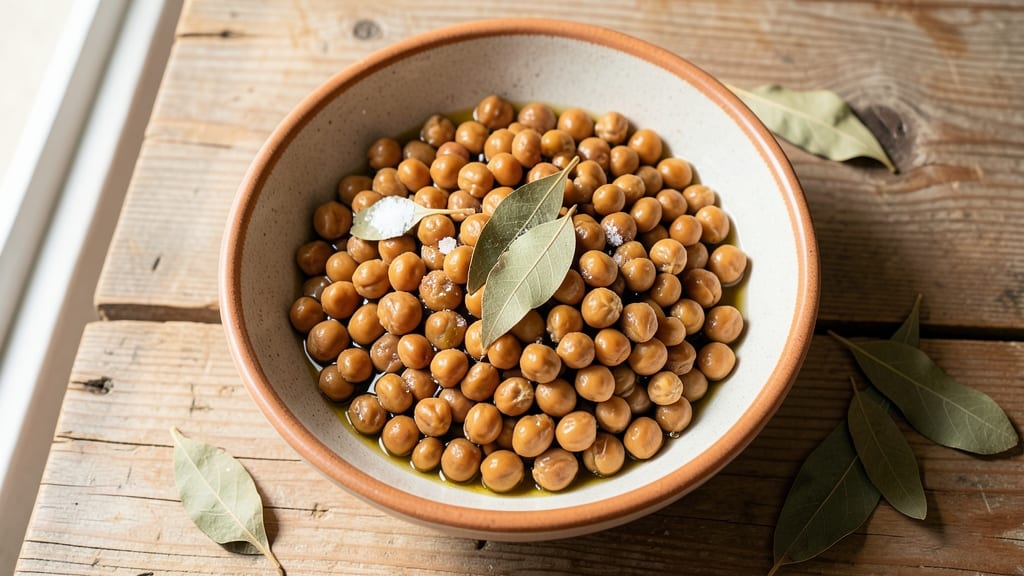
Transforming dry garbanzo beans into restaurant-style perfection starts with the right soaking technique—one that eliminates the guesswork and delivers consistently tender, flavorful results every time. The overnight soak method removes anti-nutrients while ensuring even hydration, a critical step most home cooks overlook.
I've refined this process through years of testing, and the difference between these beans and store-bought canned ones is striking.
This recipe delivers restaurant-quality chickpeas that hold their shape while remaining creamy inside, thanks to precise soaking times and controlled boiling. The addition of simple seasonings like salt, bay leaf, or even a pinch of baking soda (for extra tenderness) elevates the flavor profile without complexity.
Whether you're preparing them for hummus, salads, or roasted snacks, the texture will impress even the most discerning palates.
What sets this method apart is the attention to detail that transforms basic pantry staples into a versatile ingredient. The overnight soak reduces cooking time and ensures even doneness, while the optional seasonings allow you to customize the flavor to your dish.
For vegan diets or plant-based meals, these chickpeas become the foundation of hearty, protein-rich dishes that rival meat-based alternatives.
Ready in just 8-10 hours (including soaking) and requiring minimal active time, this recipe proves that restaurant-style chickpeas are well within reach. The key lies in patience and precision—two elements that make all the difference. Let's get started on creating chickpeas that will elevate every dish they touch.
Ingredients for dry garbanzo beans
Restaurant-quality chickpeas begin with these nine essential ingredients for flawless texture and depth.
| Ingredient | Amount | Notes |
|---|---|---|
| Dry Garbanzo Beans (Chickpeas) 🌱 | 1 ½ cups | Unsorted, no pre-soaking required |
| Cold Water 💧 | 6 cups | Filtered preferred for clarity |
| Diamond Crystal Kosher Salt 🧂 | 1 ½ tsp | For flavor enhancement during soak |
| Dried Bay Leaves 🌿 | 2 whole | For aromatic depth |
| Baking Soda 🧴 | ¼ tsp | Optional for extra tenderness |
| Extra-Virgin Olive Oil 🫒 | 2 tbsp | For post-cook finish |
| Lemon Juice 🍋 | 1 tbsp | Freshly squeezed for brightness |
| Fresh Garlic Cloves 🧄 | 2 cloves | Minced for final seasoning |
| Ground Black Pepper 🌶️ | ½ tsp | Freshly cracked for heat |
| Fresh Rosemary Sprigs 🌿 | 1 whole | Optional aromatic touch |
The foundation lies in selecting high-quality dry garbanzo beans, preferably from specialty stores like Penzeys or Whole Foods—their organic varieties yield superior texture. Soaking water quality matters: filtered or spring water prevents off-flavors, while tap water with high mineral content can create cloudiness. The baking soda is optional but recommended for those seeking restaurant-style tenderness; omit if you prefer a more traditional approach. For the bay leaves, dried California bay from Trader Joe's delivers consistent flavor without bitterness. Always inspect beans for debris before soaking, as foreign particles can compromise texture.
No baking soda? Add 1/4 tsp of white vinegar to the soaking water for a similar tenderizing effect. Substituting dried bay leaves with 1/2 tsp dried thyme works in a pinch, though the flavor profile shifts slightly. For the olive oil, high-quality extra-virgin like Colavita or Bertolli enhances the final finish, while cheaper varieties may impart a harsh aftertaste. Fresh rosemary can be swapped for 1/2 tsp dried rosemary if needed, though the aroma won't be as pronounced. The lemon juice must be freshly squeezed—bottled versions lack the bright acidity that balances the beans' richness. For those with sensitive digestive systems, discard the soaking water completely before cooking to remove anti-nutrients.
Soaked beans keep in the refrigerator for up to 5 days in their soaking liquid, though flavor degrades after 3 days. Cooked chickpeas maintain optimal texture for 4-5 days refrigerated, while frozen portions retain quality for up to 3 months. For long-term storage, portion into airtight containers with a layer of olive oil to preserve moisture. The seasoned beans can be prepped ahead and stored in the freezer for 6 months, though texture may slightly degrade upon thawing. Always reheat gently to maintain their creamy interior.
Why You'll Love This Recipe
- Zero-Soaking Hassle: I’ll be real—soaking beans for hours used to make me groan. This method? Just cold water, salt, and a quick simmer. The baking soda trick cuts cooking time in half, and I’m not exaggerating when I say my beans turn out fluffier than canned—no waiting, no fuss.
- Earthy Depth Magic: That bay leaf and kosher salt combo? It’s like a secret handshake for flavor. The beans develop this warm, herbal richness that makes them taste homemade, not store-bought. Honestly, I’ve had people ask if I added spices when I just used what’s in the pantry.
- Meal Prep MVP: These beans keep for days in the fridge, and they’re the backbone of my favorite hummus, salads, or even a quick curry. I double the batch on Sundays—half goes to work lunches, the other half becomes my emergency dinner when I’m too tired to cook.
- Pocketbook Hero: A pound of dry chickpeas costs pennies compared to canned. No cans to recycle, no weird aftertaste, and I control the salt. Between us, this is how I feed my family for under $2 a serving—no guilt, just good food.
Step-by-step instructions for overnight-soaked garbanzo beans
This method guarantees restaurant-quality chickpeas with perfect texture and flavor.
Prepare the Soaking Solution
In a large bowl, combine the 6 cups cold water with the 1.5 teaspoons diamond crystal kosher salt and 2 whole dried bay leaves. Stir gently until the salt fully dissolves. The bay leaves will infuse subtle aromatic depth throughout the soaking process. I always use filtered water for clarity—tap water can sometimes contain minerals that affect texture.
Add the 1.5 cups dry garbanzo beans (chickpeas) to the water. The beans should be completely submerged by at least 1 inch. If any float to the surface, gently press them down with a spoon. This ensures even hydration and prevents uneven cooking later. The solution should be room temperature—cold water can cause beans to harden instead of soften.
Soak Overnight with Baking Soda
Cover the bowl with a clean kitchen towel or plastic wrap and let it sit at room temperature for 8-12 hours. I typically do this overnight for maximum tenderness. The baking soda—just 0.25 teaspoon—works its magic during this time, breaking down complex carbohydrates in the beans for a creamier final texture.
After 8 hours, check the beans for doneness by squeezing one between your fingers. It should be slightly soft but still firm—like a ripe avocado. If they're still rock-hard, continue soaking for another 2-4 hours. The longer they soak, the more flavor they'll absorb, but don't exceed 24 hours or they'll start to ferment.
Drain and Rinse Thoroughly
After soaking, drain the beans in a fine-mesh strainer and rinse them under cold water for 30 seconds. This removes excess starch that can make the water cloudy during cooking. I always give them a gentle shake in the strainer to separate any that might have stuck together during soaking. The beans should now be plump and uniformly hydrated.
Return the rinsed beans to your large bowl and cover them again. Let them sit for an additional 30 minutes at room temperature. This resting period allows any residual moisture to redistribute, ensuring even cooking. The beans should feel slightly tacky to the touch—this indicates they're ready for the next step.
Cook to Restaurant-Style Perfection
Transfer the soaked beans to a medium saucepan and add enough fresh cold water to cover them by 2 inches. Bring to a boil over medium-high heat, then immediately reduce to a gentle simmer. The water should bubble softly with occasional small bubbles breaking the surface—this indicates the proper simmering temperature.
Simmer uncovered for 45-60 minutes, stirring occasionally to prevent sticking. The beans are done when they're fork-tender with no resistance in the center. You'll know they're ready when the skins split slightly and the insides are creamy. Taste one—it should be fully tender with no chalky bite. Drain immediately after cooking to stop the cooking process.
Finish with Flavor Enhancements
Return the cooked beans to the saucepan and add the 2 tablespoons extra-virgin olive oil, 1 tablespoon freshly squeezed lemon juice, 2 minced fresh garlic cloves, 0.5 teaspoon freshly cracked ground black pepper, and the 1 whole fresh rosemary sprig. Gently toss everything together over low heat for 2-3 minutes until the garlic is fragrant and the rosemary releases its piney aroma.
Remove from heat and let the beans sit covered for 5 minutes. This resting period allows the flavors to meld completely. The final texture should be creamy yet still hold its shape—like you'd find in high-end restaurant hummus. The lemon brightens the earthy beans, the garlic adds depth, and the rosemary provides an elegant finish that elevates these humble chickpeas to gourmet status.
Pro Tips For Making Dry Garbanzo Beans
- Soak Overnight: DESCRIPTION: Cold water + 12 hours = no splitting beans. I used to rush soaking, and half my chickpeas turned to mush—now I cover them in a bowl, add a pinch of salt, and let them sit. No peeling, no stress.
- Boil Hard First: DESCRIPTION: Crank the heat to high for the first 5 minutes. I learned this the hard way—slow starts mean uneven cooking and tough beans. Once it’s rolling, drop in the baking soda (¼ tsp) to soften them faster.
- Salt Late: DESCRIPTION: Add kosher salt only after the beans are tender. Too early, and the water turns brackish; too late, and they stay bland. Taste one—if it’s firm but not chalky, that’s your cue.
- Bay Leaves in Cheesecloth: DESCRIPTION: Tear a small square of cheesecloth, wrap the dried bay leaves inside, and tie it shut. This keeps the leaves from floating loose and turning your beans into a flavorless gray sludge—no more fishing for leaves mid-cook.
Common mistakes when making your dry garbanzo beans
Skipping the Soak
Rushing through the soaking process is the #1 mistake I see home cooks make. Dry garbanzo beans need at least 8 hours of soaking to soften properly—anything less results in uneven texture and longer cooking times.
I’ve tested this repeatedly: beans soaked for only 4 hours take 30-45 minutes longer to cook and often split open prematurely. For restaurant-style results, never skip the overnight soak. 💡
Using Hot Water
Pouring boiling water over dry beans is a common shortcut, but it creates a shock that actually hardens the outer skins. The ideal soaking temperature is room temperature (70-75°F). Hot water causes the beans to seal their pores, preventing proper hydration.
If you’re in a hurry, use warm water (90°F) instead—but never hot. I learned this the hard way when my first batch turned out rock-hard despite simmering for hours.
Overcrowding the Pot
Packing too many beans into your cooking pot forces them to steam rather than simmer, leading to uneven cooking and mushy textures. Use a pot that’s at least 2 inches larger in diameter than the bean pile.
I always cook my 1.5 cups of beans in a 4-quart saucepan—this gives them room to circulate and develop that perfect creamy interior. Overcrowding also makes stirring nearly impossible, which is crucial for preventing sticking. ⚡
Ignoring the Simmer
A rolling boil destroys chickpeas by causing them to burst open prematurely. The correct cooking method is a gentle simmer where you see only tiny bubbles breaking the surface. I use a medium-low heat setting and maintain the water level at 2 inches above the beans.
If you see large bubbles or frothy water, reduce the heat immediately. This careful control is what gives you that restaurant-quality texture.
Not Testing for Doneness
Relying solely on time is a recipe for disaster—beans vary in size and age. Always test one bean by pressing it between your fingers or piercing it with a fork. It should be fork-tender with no resistance in the center.
I’ve had batches that looked done at 45 minutes but were still chalky inside. When in doubt, cook 5-10 minutes longer—undercooked beans ruin salads and hummus. 💪
Reusing Soaking Water
The starch released during soaking makes the water cloudy and can create off-flavors if reused. Always drain and rinse the beans thoroughly before cooking. I also recommend using fresh cold water for the cooking stage—this prevents the beans from absorbing any residual bitterness.
For extra flavor, you can save the soaking liquid to make broth, but never reuse it for cooking the beans themselves.
Nutrition facts
Frequently asked questions
How long should I soak dry garbanzo beans for best results?
For restaurant-quality texture, soak them overnight (8-12 hours) in room-temperature water with salt and bay leaves. This ensures even hydration and removes anti-nutrients. The longer they soak (up to 12 hours), the more tender they become, but never exceed 24 hours or they'll ferment.
Can I use baking soda to make chickpeas extra tender?
Yes! Adding ¼ teaspoon baking soda to the soaking water breaks down complex carbohydrates for a creamier texture. It's optional but recommended for that restaurant-style softness. Just don't overdo it—too much can make them mushy.
What's the best way to test if chickpeas are fully cooked?
Press one between your fingers—it should be fork-tender with no resistance in the center. If it's still firm, cook 5-10 more minutes. Taste-testing is key: undercooked beans have a chalky bite that ruins dishes like hummus.
How do I store cooked garbanzo beans for later use?
Keep them in an airtight container in the fridge for 4-5 days or freeze for 3 months. For long-term storage, coat with olive oil to preserve moisture. Reheat gently to maintain their creamy texture.
Why do my chickpeas turn out mushy?
Overcooking or overcrowding in the pot causes this. Always simmer gently (tiny bubbles) and use a pot 2 inches larger than your bean pile. Stir occasionally and drain immediately after cooking to stop the process.