
Side Dishes
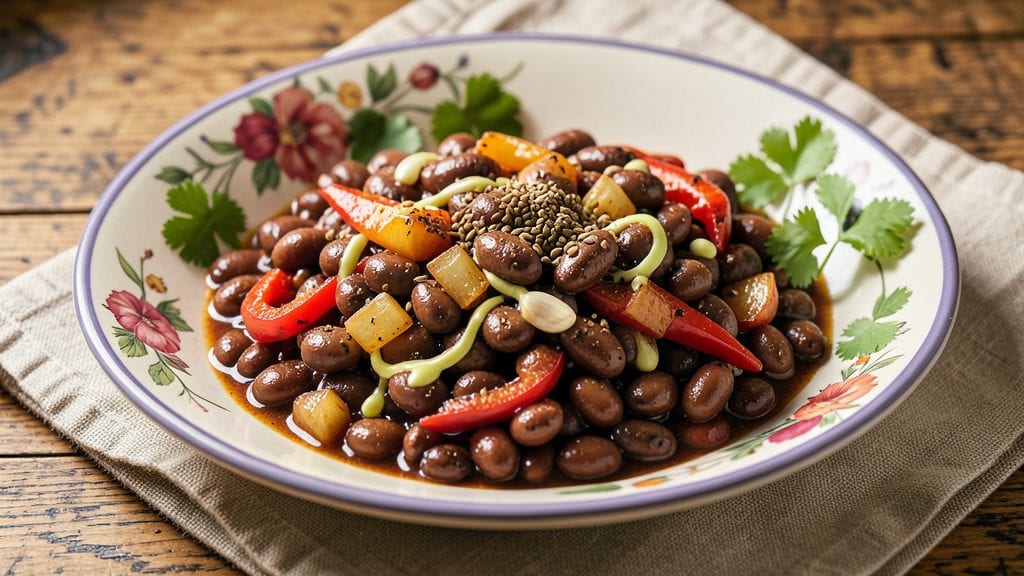
Cuban black beans with canned beans deliver the same rich, smoky depth as traditional recipes—but with a shortcut that still honors the tradition. This slow-simmered version transforms simple pantry staples into a dish that tastes like it’s been cooking all day, even when you’re short on time.
The key lies in layering spices and letting flavors meld over 30 minutes of gentle heat, creating that signature Cuban taste without requiring dried beans or overnight soaking.
What makes this recipe work is the sofrito base—a blend of bell peppers, onions, and garlic—that forms the flavor foundation. Combined with cumin, oregano, and a touch of smoked paprika, these ingredients create the smoky, earthy profile that defines Cuban black beans.
The canned beans absorb all the flavors beautifully, giving you tender, seasoned beans with just the right texture—no mushy or undercooked results here.
By the time you’re done, you’ll have a pot of aromatic, slightly thickened beans that pair perfectly with rice, plantains, or even as a standalone dish. The spices deepen as they simmer, while the sofrito adds sweetness that balances the earthiness.
This is the kind of side dish that transforms a simple meal into something special—without requiring hours in the kitchen.
Best of all, it’s a recipe that adapts to what you have on hand. Swap in fresh sofrito if you prefer, or adjust the spices to your taste. The method is flexible, but the result is always restaurant-quality—just with less effort. Let’s get cooking.
Ingredients for cuban black bean recipe with canned beans
Pantry staples meet bold flavors—just 14 ingredients for restaurant-quality Cuban black beans.
| Ingredient | Amount | Notes |
|---|---|---|
| Canned Black Beans 🫘 | 2 cans | 15 oz each, drained and rinsed |
| Yellow Onion 🧅 | 1 whole | Medium size, diced |
| Bell Pepper 🌶️ | 1 whole | Green or red, diced |
| Garlic Cloves 🧄 | 4 cloves | Minced or finely chopped |
| Ground Cumin 🌿 | 1 tbsp | Freshly toasted for depth |
| Dried Oregano 🍃 | 1 tsp | Mexican oregano preferred |
| Smoked Paprika 🌶️ | 1 tsp | For authentic smoky flavor |
| Salt 🧂 | 1 tsp | Kosher or sea salt |
| Black Pepper 🌶️ | ½ tsp | Freshly ground preferred |
| Vegetable Broth 💧 | 1 ½ cups | Low-sodium preferred |
| Extra-Virgin Olive Oil 🫒 | 1 tbsp | For sautéing sofrito |
| Lemon Juice 🍋 | 1 tbsp | Freshly squeezed |
| Fresh Cilantro 🌿 | ¼ cup | Chopped, for garnish |
| Avocado Oil 🫒 | ½ tbsp | For finishing (optional) |
The canned beans are your shortcut, but don’t skimp on the sofrito base. Fresh bell peppers and onions from the produce section (not the pre-chopped bags) make all the difference—they’re sweeter and more flavorful. I grab Trader Joe’s or Whole Foods for the freshest produce, but even regular grocery store stuff works if it’s crisp. The garlic? Four cloves, minced—don’t skip this step. Toast your cumin in a dry pan for 30 seconds before adding it to the pot (trust me, it’s worth it). For smoked paprika, Penzeys or Goya brands have the best authentic smokiness, but any quality smoked paprika will do.
No fresh bell peppers? Frozen diced peppers work in a pinch—they’re prepped and ready to go. Short on cumin? Ground coriander at half the amount gives a similar earthy note. The vegetable broth can be swapped for water, but add an extra pinch of salt if using. For the beans, low-sodium canned beans are ideal, but rinse any kind to cut back on saltiness. Want extra richness? Stir in 1 tbsp tomato paste with the spices—it deepens the flavor without overpowering. The lemon juice brightens everything up, so don’t skip it (even if you’re not a huge lemon fan).
This dish tastes even better the next day—flavors meld beautifully. Keeps 4-5 days in the fridge, so make a big batch. Freezes for 3 months if you want to prep ahead. I like to portion it into containers for easy lunches or leftovers. Garnish with fresh cilantro right before serving (if you’ve got it)—it adds a bright finish. Store any leftovers with a thin layer of avocado oil on top to keep them moist.
Why You'll Love This Recipe
- Pantry Magic: I swear by this recipe when I’ve got nothing but a can of beans and a half-empty spice jar. No fancy prep—just chop the onion and peppers, toss them in a pot, and let the cumin and garlic work their magic. The beans practically cook themselves.
- Smoky-Sweet Magic: That cumin? It’s the star. Deep, earthy, and just a little toasty when you brown the garlic—it turns this into something way more exciting than basic beans. Add the bell pepper’s natural sweetness, and suddenly you’ve got a dish that tastes like a hug from a Cuban abuela.
- Meal Prep MVP: Between us, this is my go-to for lunches all week. Make a big batch, and it’s ready to toss in salads, wrap in tortillas, or just eat straight from the pot with rice. Even my picky-eating partner asks for seconds—(yes, even on a Tuesday night).
- Budget Win: I spent $2.50 on ingredients last time I made this. Two cans of beans, a bag of peppers, and a bulb of garlic—that’s it. It feeds four people, and the leftovers? Just as good reheated the next day. My wallet and my taste buds thank me every time.
Step-by-step instructions for slow-simmered Cuban black beans
Here's how to transform simple canned beans into rich, smoky Cuban black beans bursting with flavor.
Sauté the Sofrito Base
Heat the 1 tablespoon extra-virgin olive oil in a medium pot over medium heat. Add the diced 1 whole yellow onion and 1 whole bell pepper, cooking for 5-6 minutes until softened and slightly caramelized. You'll know it's ready when the vegetables release their moisture and begin to brown at the edges.
Add the 4 minced garlic cloves and cook for another 30 seconds until fragrant. This aromatic base forms the flavor foundation for your beans. If you notice the garlic starts to burn, reduce the heat slightly to preserve its sweetness rather than bitterness.
Toast the Spices
Stir in the 1 tablespoon ground cumin, 1 teaspoon dried oregano, and 1 teaspoon smoked paprika, toasting for 30 seconds until the spices release their aromas. This step deepens their flavors and prevents them from tasting raw. You should smell a warm, earthy aroma filling your kitchen.
Add the 1 teaspoon salt and 0.5 teaspoon black pepper now while everything is hot. This helps the spices adhere better to the vegetables and distributes them evenly throughout the mixture. The spices will darken slightly as they toast, creating a beautiful visual contrast against the vegetables.
Simmer with Beans and Broth
Rinse and drain the 2 cans black beans, then add them to the pot along with the 1.5 cups vegetable broth. Stir to combine, then bring the mixture to a gentle boil over medium-high heat. Once boiling, immediately reduce the heat to low and let it simmer uncovered for 20-25 minutes, stirring occasionally.
During this time, the beans will absorb the flavors while the liquid reduces slightly. You'll notice the mixture thickens as the starches from the beans release. The beans are done when they're heated through and the sauce has reached your preferred consistency—it should coat the back of a spoon but still be loose enough to spoon.
Finish with Acid and Freshness
Remove the pot from heat and stir in the 1 tablespoon lemon juice. This brightens the flavors and cuts through the richness of the spices. The beans will immediately perk up, developing a more complex taste profile. You'll notice a subtle tang that balances the smoky, earthy notes.
Optional: For extra richness, stir in the 0.5 tablespoon avocado oil now. This adds a silky texture and helps the beans hold their shape better. Let the beans sit covered for 5 minutes to allow the flavors to meld completely. This resting period is crucial for developing the full depth of flavor.
Serve with Fresh Garnish
Transfer the beans to a serving bowl and stir in the 0.25 cup chopped fresh cilantro. The bright, citrusy notes of the cilantro contrast beautifully with the smoky, earthy flavors of the beans. Serve immediately with warm rice, grilled meats, or crusty bread to soak up every last bit of that delicious sauce.
For best results, serve within 2 hours as the flavors continue to develop and the texture becomes even more tender. The beans should be warm, flavorful, and perfectly balanced between smoky, spicy, and bright citrus notes—just like authentic Cuban black beans.
Pro Tips For Making Cuban Black Bean Recipe With Canned Beans
- SOFTEN BEANS FIRST: I learned this the hard way—drain and rinse canned black beans, then simmer them in fresh water for 5 minutes before adding other ingredients. The starch settles, and the beans absorb flavors better instead of turning gluey.
- CHAR ONIONS LOW: After burning three batches, I finally figured out: cook onions on medium-low heat until deeply golden, not browned. High heat makes them bitter, and you want that sweet, caramelized base for the beans.
- SWAP PEPPER FOR FLAVOR: Skip the raw bell pepper—it stays crunchy and watery. Instead, roast or sauté it first until soft and slightly charred. This adds depth without soggy texture.
- TOAST CUMIN SEPARATELY: My grandmother swore by this: dry-toast the cumin in the pot for 30 seconds before adding oil. It releases aroma and prevents that bitter, raw taste that ruins the dish.
Regional styles of this cuban black bean recipe with canned beans
Classic Cuban Sofrito
The foundation of any great Cuban black beans starts with a proper sofrito—a blend of onions, bell peppers, and garlic that forms the flavor backbone. In Cuba, this is traditionally made fresh, but for home cooks, I recommend using freshly diced rather than pre-chopped vegetables from the grocery store.
The difference in flavor is night and day—the fresh veggies caramelize beautifully, adding sweetness that balances the spices. I like to use yellow onions for their mild sweetness and red bell peppers for a touch of natural sweetness, but green works too. 🌶️
For an extra layer of authenticity, some Cuban families add a splash of white vinegar (about 1 tablespoon) to the sofrito while sautéing. This brightens the flavors and mimics the tangy notes you’d find in traditional Cuban cooking.
If you’re feeling adventurous, try adding a small pinch of cinnamon or allspice to the sofrito—these spices are common in Cuban dishes and add warmth without overpowering. The key is to let the sofrito cook until it’s soft and slightly caramelized, which takes about 5-6 minutes over medium heat.
Havana-Style Spice Blend
Cuban black beans are all about the spices, and the classic blend is simple but powerful: cumin, oregano, and smoked paprika. I always toast the spices in the pot for 30 seconds before adding the beans—this step is non-negotiable if you want restaurant-quality flavor.
The cumin should be toasted until it’s fragrant and slightly darker, while the oregano adds that earthy, slightly floral note. For smoked paprika, I reach for Penzeys or Goya because they have the deepest, most authentic smokiness.
If you can’t find these, any quality smoked paprika will work, but avoid the kind with added fillers or artificial flavors. 🌿
One trick I learned from a Cuban friend is to add a small pinch of sugar (about ½ teaspoon) to the spices. It might sound odd, but it helps balance the earthiness of the cumin and oregano, adding a subtle sweetness that rounds out the dish.
If you’re serving these beans with rice, you can even sprinkle a tiny bit of sugar on top of the rice before mixing—it’s a common Cuban technique that elevates the whole meal.
The spices should be added to the sofrito while it’s still hot, so they adhere to the vegetables and infuse the beans with maximum flavor.
Cayman-Inspired Variations
In the Cayman Islands, Cuban black beans are often given a Caribbean twist by adding scotch bonnet peppers or allspice to the mix.
If you want to give your beans a spicier kick, add ½ teaspoon of cayenne pepper or a dash of hot sauce (like Valentina or Crystal) at the end. The heat cuts through the richness of the beans and adds a fun, unexpected depth.
I also like to stir in 1 tablespoon of tomato paste with the spices—it deepens the color and adds a slight tang that mimics the acidity of fresh tomatoes. 🌶️
For a sweeter variation, some Caymanian cooks add diced pineapple or plantains to the beans while they simmer. The natural sweetness of the fruit balances the smoky spices, creating a dish that’s both hearty and refreshing.
If you’re feeling ambitious, try adding ½ cup of diced pineapple or 1 small diced plantain to the pot during the last 10 minutes of cooking. The fruit will soften and release its juices, creating a sauce that’s both sweet and savory.
This version is perfect for serving with grilled fish or jerk chicken.
Florida Cuban Twist
Florida’s Cuban community often incorporates citrus and herbs into their black beans, reflecting the state’s love of bright, fresh flavors. To give your beans a Florida-inspired twist, add 1 tablespoon of fresh lime juice (instead of lemon) and a handful of fresh cilantro while the beans are simmering.
The lime adds a zesty brightness that cuts through the richness, while the cilantro brings a fresh, herbaceous note. I also like to finish the dish with a sprinkle of Tajín (a Mexican chili-lime seasoning) for a tangy, slightly spicy kick. 🍋
Another Florida favorite is to serve the beans with conch fritters or cuban sandwiches, which are staples in the state’s Cuban restaurants. The crispy, savory fritters or the hearty sandwiches pair perfectly with the smoky, spiced beans.
If you’re making a big batch, consider doubling the recipe and freezing half for later—Florida’s humidity means these beans taste even better the next day, as the flavors continue to meld and deepen.
The key to this variation is balancing the acidity of the citrus with the earthiness of the spices, so don’t be afraid to adjust the lemon or lime juice to your taste.
Modern Shortcut Adaptations
If you’re short on time but still want authentic flavor, consider using pre-made sofrito (like Goya or La Costeña) instead of chopping your own.
These jarred mixes are convenient and still packed with flavor—just be sure to use 1 cup and sauté it in the pot for 3-4 minutes to deepen its taste.
You can also swap the canned black beans for canned kidney beans or pinto beans if that’s what you have on hand. The texture will be slightly different, but the dish will still be delicious. 💡
For a quicker version, I like to use a pressure cooker or Instant Pot to cut the simmering time down to 10-12 minutes. Just sauté the sofrito and spices as usual, then add the beans and broth, seal the lid, and cook on high pressure for 8 minutes.
The beans will absorb the flavors just as well, and you’ll have a pot of ready-to-serve beans in a fraction of the time. If you’re using an Instant Pot, skip the resting time—just stir in the lemon juice and serve immediately.
This method is perfect for busy weeknights when you still want a flavorful, restaurant-quality side dish.
Nutrition facts
Frequently asked questions
Can I use any type of canned beans for this recipe?
Black beans are traditional, but you can substitute with kidney beans or pinto beans for a different texture. Rinse them well to remove excess sodium. For the most authentic flavor, stick with black beans—they hold their shape better and have the perfect earthy taste that balances the spices.
How do I make these beans spicier?
Add ½ teaspoon cayenne pepper or 1 teaspoon hot sauce (like Valentina) during the last 5 minutes of simmering. For extra heat, stir in minced jalapeño or scotch bonnet pepper with the sofrito. Adjust to taste—Cuban flavors are bold but not always fiery!
Can I make this recipe in a slow cooker?
Sauté the sofrito and spices as directed, then transfer everything to the slow cooker with 1 cup extra broth. Cook on low for 3-4 hours or high for 1.5-2 hours, stirring occasionally. The low-and-slow method deepens the flavors even more—perfect for meal prep!
What if my beans turn out too thick?
Add 2-3 tablespoons water or broth and simmer for another 5 minutes to loosen the mixture. If they’re still too thick, stir in 1 teaspoon cornstarch mixed with 1 tablespoon water and simmer for 2 more minutes. The beans should coat the back of a spoon but still be spoonable.
How long will these beans keep in the fridge?
Store in an airtight container for up to 5 days. The flavors actually improve overnight! For longer storage, freeze for up to 3 months. Reheat gently on the stove with a splash of water or broth to restore moisture. Leftovers taste even better reheated!