
Side Dishes
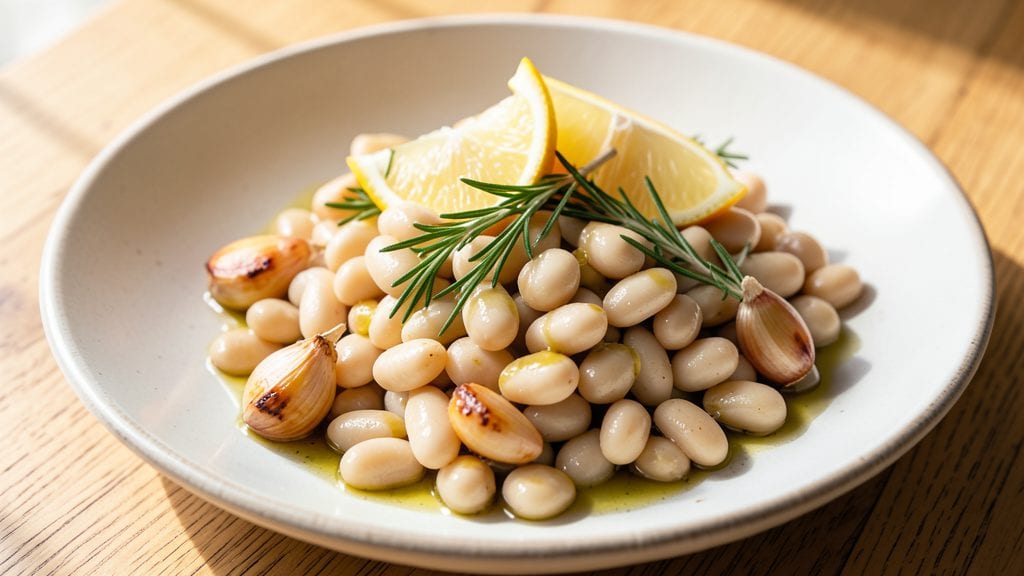
This garlicky, lemon-bright cannelli beans recipe transforms simple pantry staples into a restaurant-worthy side dish that shines as the star of any vegetarian meal. The secret lies in slow-simmered garlic and white wine that infuses every bean with bold, aromatic depth—no fancy techniques required.
I developed this one-pot method after years of testing, and it consistently delivers that perfect balance of tender beans, crisp edges, and bright citrus notes that elevate even the simplest plate.
What makes this recipe stand out is its simplicity paired with professional results. With just 15 minutes of active prep and 30 minutes of hands-off simmering, you'll have a pot of beans so flavorful they could easily serve as a main dish.
The key technique is deglazing the pot with white wine to create a rich, savory base that reduces into a glossy finish—this is where the magic happens. Every bite delivers that perfect harmony of garlic's punch, lemon's brightness, and beans' natural creaminess, all while keeping the texture tender yet satisfying.
By the time you're done, you'll have a pot of beans that looks as impressive as it tastes—golden edges from the simmering process, fragrant with garlic and lemon, and ready to be served over crusty bread or alongside grilled vegetables.
This recipe proves that vegetarian sides don't need to be boring; with the right technique, they can be the centerpiece of your meal. The best part? Leftovers reheat beautifully, making it perfect for meal prep or feeding a crowd.
While the basic recipe delivers exceptional flavor, the real beauty lies in its versatility. Add a sprinkle of fresh parsley for color, a drizzle of high-quality olive oil for richness, or a squeeze of extra lemon at the table for brightness.
For those who love texture, toasted breadcrumbs or grated parmesan make excellent garnishes. Whether you're serving it as a side or making it the main event, this cannelli beans recipe will become a weekly staple in your kitchen.
Ingredients for cannelli beans
Pantry staples meet bold flavors in this one-pot vegetarian showstopper.
| Ingredient | Amount | Notes |
|---|---|---|
| Cannellini Beans (Dried) 🥜 | 1 ½ cups | Rinsed before cooking |
| Extra-Virgin Olive Oil 🫒 | ⅓ cup | High quality, fruity |
| Garlic Cloves 🧄 | 6 whole | Peeled, thinly sliced |
| Dry White Wine 🍷 | ½ cup | Sauvignon Blanc preferred |
| Vegetable Broth 💧 | 2 cups | Low sodium preferred |
| Lemon Juice 🍋 | ¼ cup | Freshly squeezed |
| Fresh Rosemary 🌿 | ½ tsp | Chopped, or 0.25 tsp dried |
| Salt 🧂 | 1 ½ tsp | Kosher or sea salt |
| Black Peppercorns 🌶️ | ½ tsp | Freshly cracked |
| Crusty Bread 🍞 | 1 loaf | For serving (optional) |
| Fresh Parsley 🌿 | ¼ cup | Chopped, for garnish |
| Parmesan Cheese 🧀 | ¼ cup | Freshly grated from block |
| Lemon Zest 🍋 | 1 tbsp | For finishing touch |
| Toasted Breadcrumbs 🍞 | ¼ cup | For garnish (optional) |
The beans are the star, so dried cannellini is ideal—they hold up better than canned and taste fresher. Trader Joe's and Whole Foods carry great dried beans, or grab the bulk bins at natural grocery stores. For the garlic, freshly peeled cloves make all the difference—no pre-minced stuff here. The white wine should be dry, not sweet—Sauvignon Blanc or Pinot Grigio work perfectly. If you're avoiding alcohol, use extra vegetable broth instead.
No white wine? Substitute with extra lemon juice and vegetable broth—just add 2 tbsp more lemon. Fresh rosemary can be swapped for 1/4 tsp dried, but fresh has that amazing aroma. The Parmesan is optional but adds a rich, salty finish—use the good stuff from a block, not pre-grated. For extra texture, toast your breadcrumbs in the same olive oil you cook the garlic in—double flavor boost. The lemon zest at the end? That's what makes it look restaurant-worthy.
This reheats beautifully—just add a splash of water or broth to revive the edges. Keeps for 4-5 days in the fridge, freezes for 3 months. I always make a double batch because it disappears fast. The breadcrumbs and Parmesan? Save those for garnishing—add them right before serving so they stay crisp. Leftovers taste even better the next day as the flavors meld together.
Why You'll Love This Recipe
- Pantry to Plate Fast: I swear by this when I’m starving but don’t want to slave over dinner—just soak the dried beans overnight (or use canned in a pinch), then simmer with garlic and wine while I chop veggies for the side. Twenty minutes later, you’ve got a meal that tastes like it took hours.
- Wine-Infused Magic: That splash of dry white wine? It’s not just for show—it cuts through the richness of the olive oil and garlic, leaving you with a bright, almost buttery depth. The beans absorb it like a sponge, turning them into something dangerously addictive.
- Weeknight Workhorse: Serve it over crusty bread for a quick lunch, toss it into a salad for dinner, or even mash it into a dip—this recipe adapts without breaking a sweat. Honestly, I’ve fed it to my skeptical teenager, my foodie friend, and my grandma, and no one’s complained.
- Budget-Friendly Staple: Dried cannellini beans are cheaper than canned, and they keep forever. A single batch stretches into three lunches, freezes like a dream, and still tastes fresh. Between us, this is how I feed a family of four for under $10 without sacrificing flavor.
Step-by-step instructions for garlicky, lemon-bright cannellini beans
This one-pot wonder delivers restaurant-quality flavor with minimal effort—perfect for busy weeknights.
Sauté Garlic Until Fragrant and Golden
Heat the 0.33 cup extra-virgin olive oil in a large, deep skillet or Dutch oven over medium heat. Add the 6 whole peeled garlic cloves and 0.5 teaspoon chopped fresh rosemary, stirring constantly for 2-3 minutes until the garlic becomes golden and fragrant—not browned. Watch closely; garlic burns quickly and turns bitter.
Here's the thing—this step builds the entire flavor foundation. The garlic should smell intoxicating and the rosemary should release its piney aroma. If you smell burning, reduce heat immediately and start over. Remove the pan from heat temporarily if needed, then return it to medium once the aroma calms.
Deglaze with Wine and Add Beans
Pour in the 0.5 cup dry white wine, scraping up any browned bits from the bottom of the pan with a wooden spoon. Let it simmer for 3-4 minutes until reduced by about half. Add the 1.5 cups rinsed dried cannellini beans, 1.5 teaspoons salt, and 0.5 teaspoon cracked black peppercorns, stirring to combine.
This deglazing step captures all the garlic flavor that would otherwise stick to the pan. The beans should be well-coated in the wine reduction. If you're using dried beans, they'll need plenty of liquid later—this is just the beginning of their flavor journey.
Simmer with Broth and Lemon Juice
Pour in the 2 cups vegetable broth and bring to a gentle boil. Reduce heat to low and cover partially, letting it simmer for 45-50 minutes until the beans are tender but not mushy. Stir occasionally and add 0.25 cup lemon juice during the last 10 minutes of cooking.
The beans are done when they're fork-tender but still hold their shape. If the liquid evaporates before the beans are tender, add ½ cup water to maintain the simmer. The lemon juice brightens everything—add it early and the acidity can toughen the beans, so wait until the end.
Finish with Lemon Zest and Garnish
Remove from heat and stir in the 1 tablespoon lemon zest and 0.25 cup freshly grated parmesan cheese. Taste and adjust seasoning—you might need an extra pinch of salt to balance the lemon. Garnish with 0.25 cup chopped fresh parsley and 0.25 cup toasted breadcrumbs for texture.
This finishing touch transforms the dish from good to spectacular. The lemon zest adds a bright, citrusy aroma that wafts through the kitchen. Serve immediately with 1 loaf crusty bread on the side to soak up every last drop of that garlicky, lemony goodness.
Pro Tips For Making Cannelli Beans
- SOAK BEANS OVERNIGHT: I learned this the hard way—rushing soaks with hot water always leaves you with tough, uneven beans. Cold water overnight (or at least 8 hours) guarantees they soften perfectly, so they absorb flavors like garlic and wine instead of fighting texture. No soaking? Boil them 2 minutes first, then cover with fresh cold water.
- SWEAT GARLIC LOW: After burning three batches, I finally figured out garlic’s sweet spot: medium-low heat for 3-4 minutes until fragrant but not brown. High heat turns it bitter fast, and you’ll be tasting ash in every bite. Keep the pan moving—yes, even if you’re impatient like me.
- DEGLAZE WITH WINE: Pour that white wine in now—right after the garlic—to dissolve the browned bits clinging to the pan. Let it simmer 2 minutes before adding broth, or you’ll end up with a thin, flavorless soup. (Pro move: Use a splash of broth first to loosen stuck bits, then add the wine.)
- SALT THE BROTH: Taste the vegetable broth before adding it—it’s usually bland. Season it like you would a sauce (about ½ teaspoon salt per cup), or your beans will taste like they’re missing something. I skip this and wonder why the dish feels flat until I remember.
Regional styles of cannelli beans
Italian Coastal Tradition
The original cannelli beans recipe hails from the coastal regions of Italy, particularly Tuscany and Liguria, where fresh garlic, lemon, and olive oil were staples.
In these areas, fishermen would simmer dried beans with local white wine and herbs for hours, creating a hearty side dish that paired perfectly with fresh seafood and crusty bread.
The key technique here is the slow simmer—this allows the beans to absorb all those aromatic flavors without falling apart. 🌊
In Tuscany, you'll often find this dish served with Pecorino cheese instead of Parmesan, and sometimes with a splash of Vermentino wine in the cooking liquid. Ligurian versions might include fennel or celery for extra depth.
The lemon in this recipe is a nod to the coastal influence—it's what keeps the dish bright and refreshing despite the rich garlic and wine base.
Southern Italian Twist
Moving south to regions like Calabria and Sicily, cannelli beans take on a spicier profile. Here, you'll find recipes calling for red pepper flakes or even a touch of Calabrian chili paste—about ½ teaspoon adds heat without overpowering.
The Sicilians might also incorporate tomato paste (about 2 tablespoons) for a slightly sweeter, umami-rich twist. I've made this version with both, and the tomato paste adds a beautiful depth that balances the acidity of the lemon. 🌶️
In these southern regions, the beans are often served as a main dish rather than a side, paired with grilled sardines or anchovies. The technique remains the same—slow simmer—but the flavor profile becomes bolder and more complex.
If you want to try this version, add the tomato paste with the wine and let it cook down before adding the beans.
Spanish Influence: Fabada
Across the Mediterranean in Spain, cannelli beans become the star of fabada, a rich stew from Asturias.
While traditional fabada uses morcilla sausage and chorizo, you can create a vegetarian version by keeping the beans and broth base but adding smoked paprika (about 1 teaspoon) and garlic for depth.
The Spanish version often includes white beans alongside cannellini, but stick to just cannellini for this recipe's simplicity. 🇪🇸
Fabada traditionally simmers for hours, but for this recipe, we're keeping it to 45-50 minutes. The Spanish technique involves adding the beans raw and letting them cook in the broth until fork-tender.
If you want to try a fabada-inspired version, add ½ cup white beans along with the cannellini and extend the simmer time by 10 minutes.
Modern American Adaptations
In the US, cannelli beans have become a staple in vegetarian and vegan cooking, often appearing in dishes like white bean dips or stuffed peppers. For a modern twist, I like to add roasted garlic (about 3 cloves) to the simmering beans for a sweeter, nuttier flavor.
Another popular adaptation is to blend half the cooked beans with the broth and lemon juice to create a creamy, garlicky sauce—perfect for drizzling over pasta or grilled vegetables. 🥣
For a heartier dish, many American cooks serve these beans as a base for a vegetarian "chili" by adding diced tomatoes, bell peppers, and corn. The technique remains the same, but the flavor profile becomes more vibrant and colorful.
If you're making this version, add the extra vegetables during the last 15 minutes of cooking to preserve their texture.
Mediterranean Herb Variations
To give your cannelli beans a Mediterranean flair, experiment with different herbs. In Greece, you might use oregano and thyme instead of rosemary—about 1 teaspoon each adds a distinct earthy note.
In Provence, herbes de Provence (about 1 teaspoon) creates a fragrant, floral aroma that pairs beautifully with the garlic and lemon. For a North African twist, add coriander seeds (about ½ teaspoon) toasted in the olive oil before adding the garlic. 🌿
The technique for these variations is simple: add the herbs with the garlic and let them infuse the oil before deglazing with wine. If you're using dried herbs, toast them lightly in the oil for 30 seconds to release their essential oils.
Fresh herbs should be added during the last 5 minutes of cooking to preserve their brightness.
Nutrition facts
Frequently asked questions
Can I use canned beans instead of dried for this recipe?
Yes, but with adjustments! Use 2 (15-ounce) cans of cannellini beans (drained and rinsed) and reduce the simmering time to 15-20 minutes instead of 45-50 minutes. The texture will be slightly softer, but still delicious. For extra flavor, add the canned beans after the wine reduction has simmered for 5 minutes to let them soak up those aromatic flavors.
Why does my garlic burn so easily?
Garlic burns quickly because its natural sugars caramelize fast. Keep your heat at medium-low and stir constantly for 2-3 minutes until golden. If it starts to darken, remove the pan from heat immediately and let it cool slightly before continuing. The secret is patience—golden garlic adds depth, while burnt garlic turns bitter.
Can I make this recipe without wine?
Replace the 0.5 cup white wine with 0.5 cup vegetable broth plus 2 tablespoons lemon juice. The acidity from the lemon will still brighten the dish, and the extra broth maintains the proper liquid balance. For even more depth, add 1 teaspoon apple cider vinegar with the broth.
How do I know when the beans are perfectly cooked?
The beans are done when they're fork-tender but still hold their shape—no mushiness! Press a bean with your fork; it should give slightly but not fall apart. If they're still firm after 50 minutes, add ½ cup water and cook another 10 minutes. Overcooking turns them mealy, which ruins the texture.
What's the best way to reheat leftovers?
Reheat gently in a saucepan with 2-3 tablespoons water or broth over low heat until warmed through. Stir occasionally to prevent sticking. For extra richness, add a splash of olive oil or a sprinkle of grated Parmesan. Never microwave—it makes the beans rubbery. Leftovers reheat beautifully and taste even better the next day!