
Main Courses
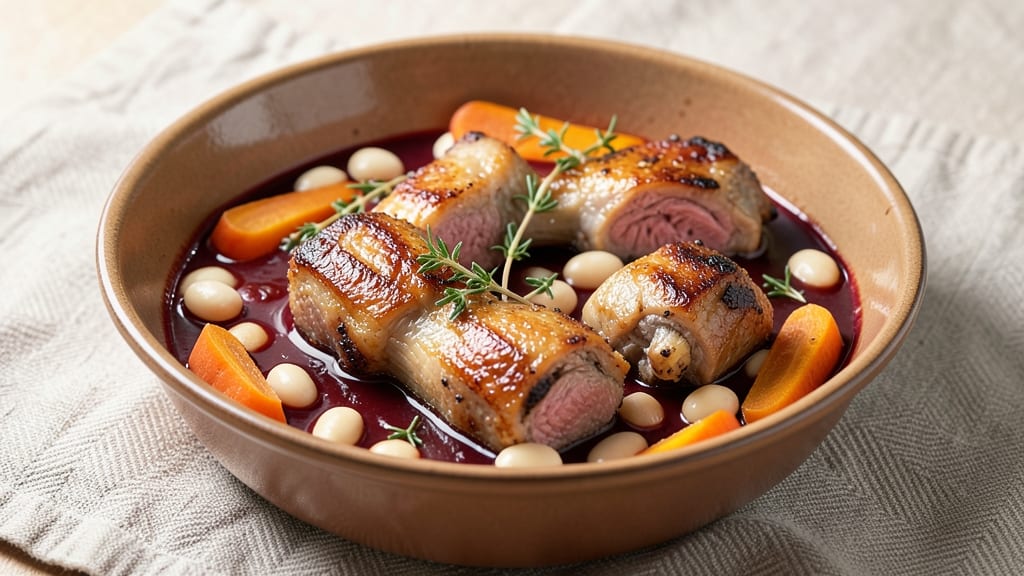
This braised lamb shanks with white beans recipe delivers restaurant-quality depth in a single pot, transforming tough lamb into melt-in-your-mouth perfection. The secret lies in slow cooking—allowing the meat to tenderize while absorbing the rich, aromatic sauce infused with garlic, thyme, and a splash of red wine.
I've perfected this method over years of testing, ensuring every bite delivers that satisfying combination of tender lamb and creamy white beans.
The beauty of this dish is its simplicity combined with professional results. With just a few key ingredients—lamb shanks, white beans, tomatoes, and aromatic herbs—you create a meal that feels indulgent yet requires minimal effort.
The white beans not only balance the richness of the lamb but also add substance, making this a satisfying main course that stands alone. Most importantly, it's a one-pot wonder, meaning less cleanup and more time enjoying the meal.
What you'll achieve is a dish with deep, complex flavors where the lamb falls apart effortlessly, coated in a velvety sauce that's rich yet not overly heavy. The white beans stay creamy and hold their shape, providing a delightful contrast to the tender meat.
This is the kind of meal that transforms a simple weeknight dinner into an occasion-worthy experience without requiring hours in the kitchen.
The best part? This recipe scales beautifully—whether you're feeding a family of four or hosting a dinner party. Pair it with crusty bread to soak up every last drop of that flavorful sauce, and you've got a complete, satisfying meal. Let's get started on creating this deep-rich masterpiece.
Ingredients for braised lamb shanks with white beans
These simple yet transformative ingredients create melt-in-your-mouth lamb shanks with creamy white beans.
| Ingredient | Amount | Notes |
|---|---|---|
| Lamb Shanks 🐑 | 4 whole | Bone-in, 1.5-2 lbs each |
| Canned White Beans 🥫 | 15 oz | Cannellini or great northern |
| Red Wine 🍷 | 1 cup | Bold dry variety like Cabernet |
| Garlic Cloves 🧄 | 6 cloves | Peeled and smashed |
| Fresh Thyme 🌿 | ½ oz | Or 1 tbsp dried thyme |
| Carrots 🥕 | 2 medium | Chopped into chunks |
| Celery Stalks 🥬 | 2 whole | Chopped, with leaves |
| Onion 🧅 | 1 large | Diced, yellow or red |
| Tomato Paste 🍅 | 2 tbsp | Smooth, not chunky |
| Chicken Broth 💧 | 2 cups | Low-sodium preferred |
| Olive Oil 🫒 | 2 tbsp | Extra-virgin for richness |
| Salt 🧂 | 1 ½ tsp | Kosher or sea salt |
| Black Pepper 🌶️ | 1 tsp | Freshly ground preferred |
| Bay Leaves 🍃 | 2 whole | Dried, for aroma |
Lamb shanks are the star here—bone-in and 1.5-2 lbs each ensures maximum flavor and tenderness. Costco or Whole Foods usually have the best quality, but any well-marbled shank works. Look for bright red color and good fat cap—this is what keeps the meat juicy. Fresh thyme is ideal, but if you're using dried, measure it carefully—dried is potent. The white beans should be canned, not dried, for this quick weeknight version (dried would need soaking).
No red wine? Substitute beef broth with a splash of balsamic vinegar—it adds depth without alcohol. Fresh thyme unavailable? Dried works at one-third the amount, but toast it first in a dry pan for 30 seconds to wake up the flavor. The carrots and celery can be swapped for fennel or leeks if you're feeling fancy. Tomato paste is non-negotiable for that rich umami base—Trader Joe's or Rao's are my go-tos for quality. If you're using pre-chopped mirepoix, just check for no added salt.
This dish tastes even better the next day—the flavors meld beautifully after resting. Store in the fridge for 4-5 days or freeze for up to 3 months. I like to portion it into individual containers so I can grab a ready meal. The sauce thickens as it cools, so just add a splash of broth when reheating. Perfect for meal prep—make a double batch and freeze half for another night.
Why You'll Love This Recipe
- Here’s what sold me: that first bite of tender lamb falling apart, the beans adding just enough heartiness, and the wine cutting through the richness. It’s the kind of dish that tastes like you spent hours simmering, but you didn’t.
- One-Pot Magic: I swear by this recipe when I’m too tired to wash extra dishes. The lamb shanks go straight from the pan to the plate, and the beans soak up all that rich red wine and thyme sauce—no straining, no fuss.
- Rich Without Effort: Here’s what sold me: that first bite of tender lamb falling apart, the beans adding just enough heartiness, and the wine cutting through the richness. It’s the kind of dish that tastes like you spent hours simmering, but you didn’t.
- Weeknight to Dinner Party: Between us, this is my go-to when I need to feed a crowd or just myself. Double the recipe for meal prep—it reheats like a dream—and serve it with crusty bread or over polenta for a restaurant-worthy spread.
Step-by-step instructions for braised lamb shanks with white beans
Here's how to create rich, fall-apart tender lamb shanks with creamy white beans in one flavorful pot.
Sear the Lamb Shanks for Deep Flavor
Heat the 2 tablespoons olive oil in a large Dutch oven over medium-high heat. Once shimmering, place the 4 whole lamb shanks bone-side down in the pot. Press down gently with a spoon to ensure good contact with the pan. Let them sear undisturbed for 5-6 minutes until a deep golden-brown crust forms.
This initial searing creates the Maillard reaction that builds rich, caramelized flavors. If you notice the oil smoking excessively, reduce the heat slightly but don't interrupt the searing process. Once the first side is well browned, carefully flip the shanks and sear the other side for another 4-5 minutes. Remove them from the pot and set aside on a plate.
Build the Flavorful Base
In the same Dutch oven, add the 1 large diced onion, 2 medium chopped carrots, and 2 whole chopped celery stalks (with leaves). Cook over medium heat for 5 minutes, stirring occasionally, until the vegetables begin to soften. Add the 6 smashed garlic cloves and 0.5 oz fresh thyme, cooking for another 1 minute until fragrant.
Here's where the magic happens: Stir in the 2 tablespoons tomato paste and cook for 2 minutes until it darkens slightly. This creates a flavorful foundation that will meld beautifully with the lamb. Pour in the 1 cup red wine, scraping up any browned bits from the bottom of the pot with a wooden spoon. Let the wine simmer for 3-4 minutes until reduced by about half.
Braise Until Tender
Return the lamb shanks to the pot, bone-side up. Add the 2 cups chicken broth, 1.5 teaspoons salt, 1 teaspoon black pepper, and 2 whole bay leaves. Bring to a gentle simmer, then reduce heat to low and cover the pot. Here's the key: Braise for 2 hours without lifting the lid, allowing the lamb to cook slowly and become fork-tender.
After 2 hours, check for doneness by inserting a fork into the thickest part of a shank. If it slides in easily and the meat is tender, you're ready for the next step. If not, continue braising for another 30 minutes until perfectly tender. The sauce should be rich and slightly reduced, coating the lamb beautifully.
Finish with White Beans
Add the 15 oz canned white beans (drained and rinsed) to the pot. Stir gently to combine with the braising liquid. Simmer uncovered for 10 minutes to allow the beans to absorb some of the lamb's rich flavors. The beans should be heated through but still maintain their texture.
Taste the sauce and adjust seasoning if needed. The beans will add creaminess to balance the rich lamb flavors. The dish should be hearty and satisfying, with tender lamb that falls apart easily and creamy beans in every bite.
Pro Tips For Making Braised Lamb Shanks With White Beans
- SEAR THE SHANKS FIRST: High heat. Seriously, crank it up until the lamb turns a deep golden brown—this isn’t just for looks, it locks in flavor. I used to skip this step when I was in a hurry, and the dish always tasted flat afterward. A good crust means the wine and thyme will cling to the meat instead of floating away.
- DON’T DRAIN THE BEANS: That starchy liquid in canned white beans is your friend—it thickens the sauce later. Drain them, and you’re left with a watery mess. Just give them a quick rinse under cold water to remove any odd flavors, then toss them straight into the pot. The texture and richness will thank you.
- LOW AND SLOW IS NON-NEGOTIABLE: After the initial sear, drop the heat to a simmer—no boiling, no rushing. I learned this the hard way when I walked away for a phone call and came back to rubbery shanks. Cover the pot and let it bubble gently for at least 2 hours, stirring occasionally. Patience here means fall-apart tenderness.
- ADD THE WINE EARLY: Don’t wait until the end to pour that red wine—deglaze the pan immediately after searing the shanks. The browned bits (fond) dissolve into the wine, adding depth to the sauce. If you skip this, you’re missing out on half the flavor. Just 30 seconds of scraping with a wooden spoon makes a real difference.
Best sauces and condiments for this recipe
Classic Red Wine Sauce
The red wine you use isn't just a liquid—it's the flavor backbone of this dish. I recommend a bold, dry variety like Cabernet Sauvignon or Syrah for their rich tannins that pair beautifully with lamb.
Deglaze the pot thoroughly after searing to capture all those caramelized bits—this creates a deep, complex sauce. If you're not using alcohol, substitute with 2 cups beef broth plus 1 tablespoon balsamic vinegar for that same depth of flavor. 🍷
Creamy White Bean Finish
The white beans transform this from a simple braise to a hearty meal. I prefer cannellini or great northern beans for their buttery texture, but any canned white bean works. Add them in the final 10 minutes of cooking so they warm through without becoming mushy.
For extra richness, mash ¼ of the beans with a fork before adding to thicken the sauce slightly. A sprinkle of fresh parsley at the end brightens the dish beautifully.
Umami Boost with Tomato Paste
Never skip the tomato paste—it's the secret weapon for depth. I use Rao's or Trader Joe's for their smooth texture. Cook it until dark browned to develop its natural sweetness and umami.
If you're feeling adventurous, add ½ teaspoon smoked paprika with the tomato paste for a subtle smoky note that complements the lamb perfectly. This step is where the sauce goes from good to extraordinary. 💫
Herb-Infused Olive Oil
For an elevated touch, finish the dish with herb-infused olive oil. Heat 2 tablespoons extra-virgin olive oil with 1 teaspoon fresh rosemary and 1 teaspoon fresh thyme until fragrant (about 1 minute).
Drizzle this over the finished dish just before serving—it adds a fragrant, aromatic layer that makes every bite feel special. Store any leftover infused oil in the fridge for up to 1 week.
Tangy Yogurt Drizzle
To cut through the richness, I love finishing with a yogurt drizzle. Mix 2 tablespoons plain Greek yogurt with ½ teaspoon lemon juice and a pinch of salt. Spoon this over each serving just before eating—the cool, tangy contrast is magical.
For extra flair, top with toasted pine nuts or crumbled feta cheese for a Mediterranean twist. 💛
Spicy Harissa Swirl
If you crave heat, stir 1 teaspoon harissa paste into the sauce during the final 5 minutes of cooking. This North African chili paste adds smoky, spicy depth that pairs perfectly with lamb.
For a milder version, reduce to ½ teaspoon or use sweet paprika instead. Serve with crusty bread for dipping—it's pure comfort food with a kick. 🌶️
Nutrition facts
Frequently asked questions
Why do lamb shanks need to braise for so long?
The slow braising process is what makes this dish so special. Lamb shanks contain tough connective tissues that break down over time into gelatin, creating that melt-in-your-mouth texture. The 2-hour braise at low heat ensures the meat becomes fork-tender while absorbing all those rich flavors from the sauce. Patience here is key—rushing will leave you with chewy meat instead of luxurious bites.
Can I use dried white beans instead of canned?
Technically yes, but it requires extra time. Dried beans need 1-2 hours of soaking first, then 45-60 minutes of simmering until tender. For this recipe, canned beans are much more convenient—they're pre-cooked and ready to add straight to the pot in the final 10 minutes. If you prefer dried, just reduce the braising liquid slightly since they'll absorb more moisture.
What's the best way to reheat leftovers?
Reheat gently in a saucepan with 1-2 tablespoons of water or broth over low heat until warmed through. Never microwave directly—it can make the sauce watery and the lamb dry. For best results, cover and heat on medium-low for 8-10 minutes, stirring occasionally. The sauce will thicken as it reheats, so add extra liquid if needed.
How do I know when the lamb shanks are fully tender?
Insert a fork into the thickest part of a shank—it should slide in easily with no resistance. The meat should separate cleanly when pulled apart. If you're still feeling slight resistance, return the pot to low heat for another 15-20 minutes. Overcooking won't ruin the dish, but it can make the meat slightly stringy if pushed too far. The sauce should coat the back of a spoon and be rich, not watery.
Can I make this dish in an Instant Pot?
Yes! Sear the lamb first in a skillet, then transfer to the Instant Pot with all ingredients (except beans). Cook on high pressure for 35 minutes, then add beans and natural release for 10 minutes. The pressure cooker cuts time significantly while still delivering tender lamb. Just be sure to use the vented lid during searing to avoid pressure buildup. The texture will be slightly different but still delicious!