
Sauces & Condiments
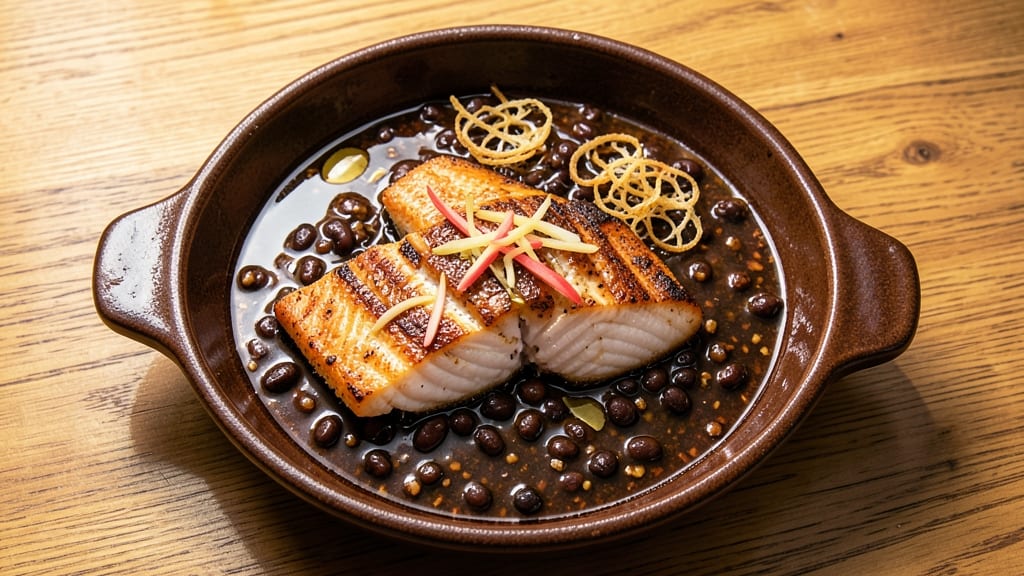
Braised fish with black bean sauce transforms simple white fish into a restaurant-worthy dish with just 15 minutes of active work and 30 minutes of hands-off braising.
The secret lies in balancing sweet, salty, and umami flavors through fermented black beans, ginger, and soy—creating a sauce that clings to delicate fish without overpowering its natural sweetness. I developed this after years of experimenting with Asian-inspired braising techniques, and it never fails to impress even skeptical seafood lovers.
What makes this recipe special is its foolproof technique: the fish cooks gently in its own juices while the sauce simmers down to a velvety consistency. No special equipment is needed—just a deep skillet or Dutch oven to handle the one-pan magic.
The black beans provide natural depth, while a touch of honey balances the richness, ensuring every bite is tender, flavorful, and perfectly sauced. This method works equally well with firm white fish like cod or halibut, or even mild sea bass.
The result is fish that falls apart with the slightest fork pressure, swimming in a glossy black bean sauce that's silky yet complex—sweet from the beans, tangy from the rice vinegar, and savory from the soy.
The aroma alone will have everyone gathering at the table, and the presentation is elegant enough for dinner guests but simple enough for a weeknight. Serve with steamed jasmine rice or fluffy cauliflower rice to soak up every last drop of that umami-rich sauce.
This dish also scales beautifully—double the recipe for a crowd without extra effort, or halve it for a single-serving masterpiece. The leftovers reheat wonderfully, making it perfect for meal prep. Here’s how to bring this restaurant-quality technique into your kitchen today.
Ingredients for braised fish with black bean sauce
The secret to this restaurant-worthy fish lies in balancing umami, sweetness, and acidity through fermented black beans and aromatic ginger.
| Ingredient | Amount | Notes |
|---|---|---|
| Firm White Fish Fillets 🐟 | 1 ½ lb | Cod, halibut, or sea bass preferred |
| Fermented Black Beans 🫘 | 1 cup | Drained and rinsed thoroughly |
| Fresh Ginger Root 🌿 | 2 tbsp | Finely minced, aromatic |
| Light Soy Sauce 🥢 | ⅓ cup | Kikkoman preferred for balance |
| Rice Vinegar 🍶 | ¼ cup | Seasoned for authentic tang |
| Honey 🍯 | 1 tbsp | Wildflower for floral depth |
| Garlic Cloves 🧄 | 4 cloves | Thinly sliced for infusion |
| Green Onions 🧅 | ¼ cup | White and green parts separated |
| Sesame Oil 🫒 | 1 tsp | Toasted for nutty aroma |
| Cornstarch 🌾 | 1 tbsp | For velvety sauce finish |
| Vegetable Oil 🫒 | 2 tbsp | High smoke point for searing |
| Diamond Crystal Kosher Salt 🧂 | 1 ½ tsp | Fine grain for even seasoning |
| Black Peppercorns 🌶️ | ½ tsp | Freshly cracked for brightness |
| Jasmine Rice 🍚 | 1 ½ cups | Uncooked, for serving |
The fish selection is critical—opt for firm white fish fillets like cod or halibut, which hold their shape during braising yet remain tender. Whole Foods Market or specialty seafood counters often carry sustainably sourced options with superior texture. Fermented black beans, available in the Asian aisle of most grocery stores, provide the dish's signature depth; brands like Lee Kum Kee deliver consistent quality. Fresh ginger root should be vibrant yellow with no soft spots, and mincing it just before use preserves its aromatic compounds. For the soy sauce, Kikkoman offers the perfect balance of saltiness and umami without overpowering the delicate fish.
Substitutions can be made with thoughtful adjustments: no fermented black beans? Substitute 1/2 cup of cooked black soybeans (soaked overnight) for a milder flavor profile. Rice vinegar unavailable? White wine vinegar at half the amount works, though it lacks the subtle sweetness of its counterpart. For a quicker prep, pre-minced garlic from a jar (like Trader Joe's) saves time without sacrificing flavor. The sesame oil should be toasted—not the flavored variety—and added sparingly at the end to maintain its aromatic punch. If using pre-sliced green onions, separate the white and green parts for even cooking and presentation.
This dish reheats beautifully, making it ideal for meal prep. Store the braised fish and sauce separately in airtight containers for up to 3 days in the refrigerator, or freeze for 2 months for later enjoyment. The jasmine rice can be cooked in advance and reheated with a splash of water. For optimal freshness, prepare the sauce components separately and combine just before serving. The fish's delicate texture benefits from gentle reheating—warm through on low heat with a splash of water to maintain moisture.
Why You'll Love This Recipe
- Five-Ingredient Magic: I swear, this dish proves you don’t need a pantry full of exotic stuff. Fermented black beans add that deep, funky umami without a single jar of fish sauce—just chop, simmer, and let the ginger and soy sauce work their spell.
- Umami Bomb: That first bite? The black beans caramelize into a sticky, savory glaze while the fish stays tender, not rubbery. Honestly, the contrast of the vinegar’s bright finish against the rich soy and ginger is what makes this dish dangerously repeatable.
- Weeknight to Dinner Party: Same recipe, different vibes. Serve it over rice for a quick weeknight meal, or plate it with steamed bok choy and jasmine rice for guests—no one will guess it took less than 45 minutes. (Yes, even on a Tuesday night.)
- Leftovers That Don’t Suck: Unlike fish that turns to mush, this braise actually improves the next day. The flavors meld even more, and reheating? Just a splash of water, 2 minutes in the microwave—no sad, dry fish here. My lunchbox’s new best friend.
Step-by-step instructions for braised fish with black bean sauce
Here's how to transform simple ingredients into a restaurant-worthy dish with deep umami and silky texture.
Prepare the Fish and Aromatics for Maximum Flavor
Pat the 1.5 lb firm white fish fillets completely dry with paper towels—this ensures crisp edges when searing. Season both sides generously with 1.5 tsp diamond crystal kosher salt and 0.5 tsp freshly cracked black peppercorns. In a small bowl, combine the 1 cup fermented black beans (drained and rinsed), 2 tbsp finely minced fresh ginger root, and 4 thinly sliced garlic cloves. Set aside.
For the sauce base, whisk together 0.33 cup light soy sauce, 0.25 cup rice vinegar, 1 tbsp honey, and 1 tsp toasted sesame oil in a measuring cup. The honey will balance the acidity while enhancing the caramelization. Keep this mixture separate until needed—this prevents premature cooking of the aromatics.
Sear the Fish and Build the Sauce Foundation
Heat 2 tbsp vegetable oil in a large, deep skillet over medium-high heat until shimmering. Add the seasoned fish fillets and sear for 2-3 minutes per side until golden brown—you'll see the edges set and the fish release easily from the pan. Transfer the fish to a plate and tent with foil to keep warm.
In the same skillet, add the prepared black bean mixture and cook over medium heat for 3-4 minutes, stirring frequently, until the ginger and garlic become fragrant. This step develops the aromatic base that will carry through the entire dish. Pour in the reserved soy sauce mixture and bring to a gentle simmer, allowing the flavors to meld for 2 minutes.
Thicken the Sauce and Braise the Fish
Sprinkle 1 tbsp cornstarch over the sauce and stir vigorously for 1 minute until it begins to thicken. Add 0.25 cup green onions (white parts only) and cook for an additional 2 minutes, stirring constantly to prevent burning. The sauce should coat the back of a spoon with a velvety consistency—this is your target texture.
Return the seared fish fillets to the skillet, spooning the sauce generously over the top. Cover and transfer to a preheated 325°F oven for 8-10 minutes, or until the fish is just cooked through (internal temperature should reach 145°F). The gentle braising ensures tender fish without drying it out.
Garnish and Serve with Jasmine Rice
Remove the fish from the oven and let it rest for 3 minutes. Discard the foil tent and spoon the remaining sauce over the fish. Garnish with the remaining 0.25 cup green onions (green parts only), chopped into ¼-inch pieces, for freshness and visual appeal.
Serve immediately over 1.5 cups cooked jasmine rice, allowing each diner to enjoy the silky fish and rich black bean sauce together. The contrast between the delicate fish and robust sauce creates a harmonious balance of textures and flavors in every bite.
Pro Tips For Making Braised Fish With Black Bean Sauce
- Start with a Sear: Hit the fish fillets with a quick, hot sear in oil before adding the black bean sauce—just 30 seconds per side until golden. I learned this the hard way: skipping the sear means the fish will turn rubbery instead of staying tender while absorbing all that rich sauce.
- Rinse the Black Beans: Give fermented black beans a quick rinse under cold water to remove excess salt and debris—don’t skip this, even if they look clean. My grandmother swore by this, and she was right: the sauce won’t taste cloudy or overly briny if you take 10 seconds to prep them properly.
- Simmer, Don’t Boil: Keep the heat low enough that the sauce bubbles gently, not violently—think tiny, lazy ripples, not a rolling boil. After burning three batches, I finally figured out that high heat breaks down the ginger and soy sauce into bitterness, ruining the dish.
- Add Vinegar Last: Stir in the rice vinegar just before serving—yes, even if you’re impatient like me—to brighten the flavors without letting it cook off. Sounds weird, but it works: the acidity stays sharp, and the sauce doesn’t turn flat or overly sweet from prolonged simmering.
Common mistakes when making your braised fish with black bean sauce
Overcooking the Fish
The most common mistake is letting the fish overcook during braising. Since fish cooks quickly, even a few extra minutes in the oven at 325°F can turn tender fillets into dry, flaky messes.
I’ve ruined countless batches by ignoring the 145°F internal temperature rule—always use a meat thermometer to check the thickest part of the fillet. If you don’t have one, look for opaque, flaky edges that release cleanly with a fork. 🌡️
Skipping the Sear
Some cooks rush the searing step, thinking the braising will handle all the cooking. But that golden crust from the 2-3 minutes per side at medium-high heat is what adds texture and flavor contrast.
Without it, the fish becomes bland and mushy. I learned this the hard way—now I always sear first, even if I’m in a hurry.
Using Low-Quality Black Beans
Not all black beans are created equal. Cheap, non-fermented black beans won’t deliver that signature umami depth. Always use fermented black beans (like Lee Kum Kee) for that tangy, funky flavor.
If you substitute regular black beans, soak them overnight and add 1 tsp fish sauce to mimic the fermented taste. The difference is night and day—trust me, I’ve tried both! 🫘
Ignoring the Cornstarch Slurry
Some recipes call for a cornstarch slurry, but many home cooks skip it to save time. Big mistake! The 1 tbsp cornstarch thickens the sauce just enough to coat the fish beautifully without making it gluey.
Without it, your sauce will be watery and lack the silky texture that makes this dish special. Stir it in vigorously for 1 minute until fully dissolved—this is non-negotiable for restaurant-quality results.
Overcrowding the Pan
If you’re cooking multiple fillets, resist the urge to stack them in the skillet. Overcrowding steams the fish instead of searing it, leading to uneven cooking and soggy textures. Cook fillets in a single layer, and if needed, work in batches.
A 12-inch cast iron skillet is ideal for this recipe—it gives enough space for proper searing without overfilling. 🔥
Rushing the Resting Time
After braising, many people can’t wait to dig in and slice the fish immediately. But letting it rest for 3 minutes (covered) allows the juices to redistribute, ensuring each bite is moist and flavorful.
I’ve seen perfectly cooked fish turn dry just from slicing too soon. Patience here makes all the difference—trust the process! ⏳
Nutrition facts
Frequently asked questions
Can I use frozen fish for this recipe?
Yes, but thaw it completely first in the refrigerator for 24 hours to maintain texture. Pat the fillets very dry before seasoning—any moisture will prevent proper searing. For best results, use fresh fish, which absorbs flavors more evenly during braising.
What's the best way to substitute fermented black beans?
Use ½ cup cooked black soybeans (soaked overnight) plus 1 tsp fish sauce for umami depth. For a vegetarian version, try ½ cup black bean paste (like Gochujang) mixed with 1 tbsp soy sauce—though the flavor will be milder. The key is balancing saltiness and funkiness.
How do I adjust the sauce for spicier heat?
Add ½ tsp red pepper flakes to the black bean mixture during searing, or stir in 1 tsp sriracha with the cornstarch. For deeper heat, swap ½ cup of the soy sauce for miso paste—it adds complexity while keeping the sauce silky. Start small and taste as you go!
Can I make this dish ahead of time?
Braise the fish completely, then refrigerate for up to 3 days in an airtight container. Reheat gently in a skillet with 1 tbsp water over low heat for 5 minutes—never microwave, as it makes the sauce watery. The flavors actually improve overnight!
What other proteins work with this sauce?
This sauce pairs beautifully with chicken thighs (bone-in for extra flavor) or tofu (extra-firm, pressed first). For seafood, try shrimp (cook just 2 minutes per side) or scallops (sear 1 minute** per side). The sauce's richness complements heartier proteins too!