
Main Courses
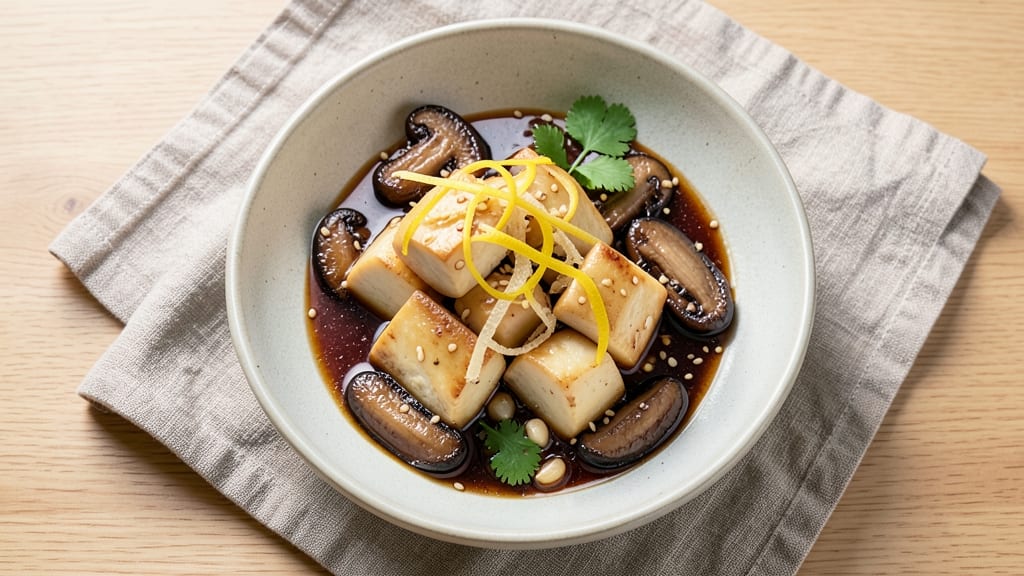
This braised bean curd recipe transforms silken tofu into a luxurious, restaurant-worthy dish with just a few simple ingredients and a slow simmer. The secret lies in a rich, aromatic broth that melts into the delicate tofu, creating a velvety texture that’s impossible to resist.
I first discovered this technique while adapting traditional Chinese braising methods for home cooking—no fancy equipment needed, just patience and the right balance of flavors.
The process is straightforward but rewarding: silken tofu absorbs the savory broth over 30-45 minutes, developing a tender yet firm bite while the surrounding ingredients—mushrooms, ginger, and garlic—infuse every bite with depth.
This dish proves that plant-based meals can be just as satisfying as their meaty counterparts, with a silky-smooth finish that feels indulgent. The result is a dish that’s elegant enough for dinner parties but simple enough for a weeknight.
What makes this recipe stand out is its versatility—serve it over steamed rice for a hearty meal, pair it with noodles for a comforting bowl, or enjoy it as-is with a sprinkle of green onions.
The broth can be made ahead, allowing flavors to deepen over time, while the tofu stays perfectly tender when reheated. Whether you’re a seasoned home cook or new to plant-based dishes, this method delivers restaurant-quality results with minimal effort.
The key to success is slow cooking, which allows the tofu to absorb the broth without falling apart. Traditional methods use a wok or heavy pot, but modern adaptations—like a pressure cooker—cut the time in half without sacrificing flavor.
Let’s get started on creating a dish that’s as nourishing as it is delicious.
Ingredients for braised bean curd
Silken tofu, mushrooms, and aromatic broth create this luxurious vegan dish with minimal ingredients.
| Ingredient | Amount | Notes |
|---|---|---|
| Silken Tofu 🍲 | 1 lb | Extra-firm, block or vacuum-packed |
| Shiitake Mushrooms 🍄 | 8 whole | Fresh, stems removed, sliced |
| Fresh Ginger 🌿 | 2 tbsp | Finely grated, organic preferred |
| Garlic Cloves 🧄 | 6 cloves | Minced, fresh preferred |
| Low-Sodium Soy Sauce 🍶 | ½ cup | Kikkoman or San-J Tamari |
| Vegetable Broth 💧 | 2 cups | Homemade or low-sodium store-bought |
| Sesame Oil 🫒 | 1 tbsp | Toasted, for aroma |
| Brown Sugar 🍯 | 2 tbsp | Light or dark, packed |
| White Wine Vinegar 🍋 | 1 tbsp | For brightness, optional |
| Green Onions 🌱 | 3 whole | Thinly sliced, for garnish |
| Sesame Seeds 🌰 | 1 tbsp | Toasted, for crunch |
| Cornstarch 🌾 | 1 tbsp | For thickening broth |
| Vegetable Oil 🫒 | 1 tbsp | For sautéing mushrooms |
| Sea Salt 🧂 | 1 tsp | Adjust to taste |
| Black Pepper 🌶️ | ½ tsp | Freshly ground |
The silken tofu is the star here. Look for extra-firm, vacuum-packed blocks at Asian markets or the refrigerated section of major grocery stores like Whole Foods or Trader Joe's. Fresh shiitake mushrooms make a noticeable difference in flavor—dried work in a pinch but soak first. For ginger, organic is best—it's less likely to be waxed, which affects flavor. The garlic should be fresh; pre-minced jars lack the aromatic punch. All these ingredients are available at standard grocery stores, but specialty Asian markets often carry higher-quality versions of each.
No shiitake mushrooms? Cremini or oyster mushrooms work beautifully as substitutes. Running low on sesame oil? Avocado oil at half the amount won't ruin the dish, though it lacks the signature aroma. The white wine vinegar adds brightness but can be omitted entirely if you prefer a more neutral flavor profile. For the broth, homemade is ideal, but even low-sodium store-bought works in a pinch. The cornstarch is crucial for thickening—don't skip it unless you prefer a thinner sauce. If you're using pre-minced garlic, rinse it first to remove excess moisture that can dilute the broth.
This dish reheats beautifully—2-3 minutes in a saucepan over medium heat is perfect. Store leftovers in an airtight container in the fridge for up to 5 days, though the flavors deepen overnight. For longer storage, freeze portions for up to 3 months. The broth can be made ahead and stored separately, then combined with the tofu when ready to serve. Garnish with green onions and sesame seeds just before serving to maintain freshness.
Why You'll Love This Recipe
- No-Fuss Ingredients: I swear, this recipe uses stuff I already have—silken tofu, shiitake mushrooms, and a few pantry staples. No specialty shopping, no overcomplicating things. Honestly, if you can chop garlic and slice ginger, you’re golden.
- Umami Bomb: That combo of shiitake mushrooms and low-sodium soy sauce? It’s like a flavor explosion in your mouth. The tofu soaks up all the savory goodness, and the ginger adds just enough zing to keep it from being too heavy.
- Meal Prep MVP: Between us, this is my go-to for busy weeks. Make a big batch on Sunday, and you’ve got a protein-packed side for lunches all week. It reheats like a dream—no soggy tofu here.
- Budget-Friendly Luxury: Silken tofu and mushrooms are cheaper than you’d think, and they stretch across multiple meals. I’ll be real: it feels fancy, but the grocery bill won’t flinch. Plus, leftovers taste just as good as day one.
Step-by-step instructions for braised bean curd
Here's the method for transforming silken tofu into a restaurant-worthy braised dish with rich umami depth.
Prepare the Silken Tofu and Aromatics
Drain the 1 lb silken tofu and gently press it between paper towels for 5 minutes to remove excess moisture. Cut it into 1-inch cubes—this size ensures even cooking and maximum surface area for flavor absorption. In a separate bowl, combine the 2 tbsp finely grated fresh ginger, 6 cloves minced garlic cloves, and 1 tsp sea salt. Set aside; these aromatics will form the flavor base of your dish.
Here's the thing—don't skip the pressing step. Wet tofu absorbs broth instead of braising properly, resulting in a watery rather than silky texture. The cubes should hold their shape but remain tender when pressed lightly with a finger. This preparation ensures your tofu will absorb the savory broth beautifully while maintaining its delicate structure.
Sauté Mushrooms and Build the Flavor Base
Heat 1 tbsp vegetable oil in a large skillet over medium-high heat until shimmering. Add the 8 whole sliced shiitake mushrooms and cook for 5-6 minutes until they release their moisture and develop golden-brown spots. Remove the mushrooms and set them aside temporarily—they'll return later to soak up all the flavors.
In the same skillet, reduce heat to medium and add the ginger-garlic mixture. Cook for 1-2 minutes until fragrant, stirring constantly to prevent burning. This is where the magic happens: the ginger and garlic should perfume the air with their aroma, creating the aromatic foundation for your braised tofu. If the mixture darkens too quickly, reduce the heat slightly to maintain control.
Create the Braising Broth
Return the mushrooms to the skillet and add 0.5 cup low-sodium soy sauce, 2 cups vegetable broth, 2 tbsp brown sugar, and 1 tbsp white wine vinegar. Bring the mixture to a gentle simmer over medium heat, then reduce to low heat and let it cook for 8-10 minutes until slightly reduced by about 25%. This reduction concentrates the flavors and creates a thicker, more velvety broth.
While the broth simmers, dissolve 1 tbsp cornstarch in 2 tablespoons cold water in a small bowl. Stir this slurry into the simmering mixture and cook for an additional 2-3 minutes until the broth thickens enough to lightly coat the back of a spoon. The cornstarch acts as a natural thickener, giving your braised tofu that luxurious, clingy sauce texture without altering the dish's natural flavors.
Braise the Tofu to Perfection
Gently add the tofu cubes to the skillet, being careful not to break them apart. Spoon the thickened broth over the tofu, ensuring each piece is fully submerged. Cover the skillet with a lid and transfer it to a preheated 325°F oven for 25-30 minutes. The gentle heat allows the tofu to absorb the flavorful broth without becoming rubbery or dry.
Check the tofu after 20 minutes—it should be tender and have absorbed the broth, but still hold its shape. If the sauce appears too thin, uncover the skillet and simmer for an additional 5 minutes to reduce it further. The tofu is ready when it's fork-tender and the sauce has a glossy, velvety consistency that coats each piece beautifully.
Finish and Serve
Remove the skillet from the oven and stir in 1 tbsp sesame oil and 1 tbsp toasted sesame seeds. Drizzle with a final 1 teaspoon sesame oil directly over each serving for added aroma. Garnish with 3 whole thinly sliced green onions for a touch of freshness and visual appeal.
Serve the braised tofu immediately, either as a standalone dish or over steamed rice. The contrast of the silky tofu with the rich, umami-packed broth creates a harmonious balance of textures and flavors. Each bite should deliver the tender tofu with a glossy, savory coating that clings perfectly to your palate. This dish is best enjoyed fresh, as the flavors meld and deepen with the first few bites.
Pro Tips For Making Braised Bean Curd
- PREP MUSHROOMS RIGHT: Tear shiitake caps—not slice them—so they release flavor faster. I used to slice them neatly, but torn mushrooms absorb the braising liquid better and stay tender. If using dried shiitake, soak them first, but don’t skip the rinse—dusty mushrooms make the sauce gritty.
- GINGER, DON’T MINCE: Use a microplane or julienne peeler for ginger—no need to chop. Finely grated ginger melts into the sauce smoothly, while minced pieces can leave behind chewy bits. (Yes, even if you’re impatient like me, this makes a real difference.)
- LOW AND SLOW WINS: Simmer the braise at 180°F (82°C), not a rolling boil—this keeps the silken tofu from curdling or turning rubbery. After burning three batches, I finally figured out that patience here means a creamy, intact tofu every time.
- SALT THE TOFU FIRST: Toss cubed silken tofu in 1 tsp soy sauce and let it sit 5 minutes before braising. This seals the edges slightly, so the tofu doesn’t absorb too much liquid and stay firm. (Your future self will thank you when the texture isn’t sad.)
Regional styles of braised bean curd
Chinese Home-Style
In Chinese households, this dish often starts with a wok hei—the smoky aroma from high-heat cooking. I like to begin by stir-frying the mushrooms and aromatics in a carbon steel wok over high heat until they release their natural oils.
The key is using light soy sauce (like Lee Kum Kee) instead of dark for a cleaner flavor profile. Many home cooks add a splash of Shaoxing wine (about 1 tbsp) to deepen the umami. 🔥
For the braising step, I’ve seen families use a clay pot or even a heavy-bottomed Dutch oven to maintain even heat. The tofu is often simmered uncovered for the first 15 minutes to develop a slight crust, then covered for the final 10 minutes to tenderize.
Garnish with crispy fried shallots for texture—this is a classic touch in many regional versions.
Japanese Miso-Inspired
Japanese adaptations often replace soy sauce with white miso paste (about 1 tbsp), which adds a fermented depth. I’ve experimented with awase miso for a balanced sweet-savory note.
The broth is typically made with dashi instead of vegetable broth, and a touch of mirin (about 1 tsp) brightens the dish. The tofu is often sliced thinner and braised in a donabe (clay pot) for an earthy finish. 🍶
For garnish, shiso leaves or microgreens add a fresh contrast. Some versions include red miso for color and a deeper umami punch. The Japanese approach focuses on clean, bright flavors rather than the richer, sweeter Chinese style.
Korean Gochujang Twist
Korean chefs often incorporate gochujang (fermented chili paste) for heat and complexity. I add 1 tbsp gochujang to the braising liquid along with 1 tsp gochugaru (Korean chili flakes) for color.
The dish becomes slightly spicy but balances beautifully with the silken tofu’s softness. Doenjang (fermented soybean paste) can also replace soy sauce for a funkier profile. 🌶️
For texture, I’ve seen Korean versions topped with crispy fried tofu bits or toasted sesame seeds. The broth is sometimes thickened with potato starch instead of cornstarch for a smoother finish. Serve with steamed jasmine rice and a side of kimchi for a full meal.
Modern Fusion Adaptations
For a Western twist, I’ve swapped soy sauce for coconut aminos and added lime zest to the broth. The result is a tropical-inspired dish that still maintains the braised tofu’s silky texture.
Another fusion favorite is adding smoked paprika (about ½ tsp) for a subtle smoky depth—think of it as a BBQ-meets-Asian mashup. 💫
For a quick weeknight version, I use an Instant Pot on high pressure for 8 minutes, then natural release. The tofu absorbs flavors just as well, and the process cuts cooking time by half.
Garnish with cilantro and lime wedges for a fresh finish that pairs perfectly with tortillas or quinoa bowls.
Nutrition facts
Frequently asked questions
What's the best type of tofu for this recipe?
Use extra-firm silken tofu for this braised dish—it holds its shape beautifully while absorbing the rich broth. Avoid firm or extra-firm regular tofu, as it can become too dense and won't achieve that signature silky texture. Vacuum-packed blocks work best, especially if you want to minimize water content.
Can I make this dish ahead of time?
The flavors actually improve when made ahead. Store the braised tofu and broth separately in an airtight container in the fridge for up to 5 days. Reheat gently in a saucepan over low heat for 5-7 minutes, stirring occasionally, until warmed through. For longer storage, freeze the components for up to 3 months.
Why does my tofu turn rubbery?
Rubbery tofu usually happens from overcooking or improper pressing. Always press the tofu for 5 minutes before cubing to remove excess moisture, and never exceed 30 minutes of braising time. The oven method at 325°F is gentler than stovetop simmering—if you prefer stovetop, keep the heat at a low simmer and cover tightly.
What can I substitute if I don't have shiitake mushrooms?
Cremini, oyster, or even portobello mushrooms work perfectly as substitutes. For a non-mushroom option, try 1 cup chopped bell peppers or 1 zucchini sliced into half-moons. Just reduce the cooking time for vegetables by 2-3 minutes since they cook faster than mushrooms. The key is maintaining the dish's umami base—soy sauce and ginger will carry the flavor.
How do I adjust the spice level?
For a milder version, omit the white wine vinegar and reduce the soy sauce to ¼ cup. For heat, add ½ tsp gochujang (Korean chili paste) or ¼ tsp chili flakes to the braising liquid. If you love spicy food, stir in 1 tsp sriracha at the end and serve with extra chili flakes. The tofu's silky texture balances heat beautifully.