
Sauces & Condiments
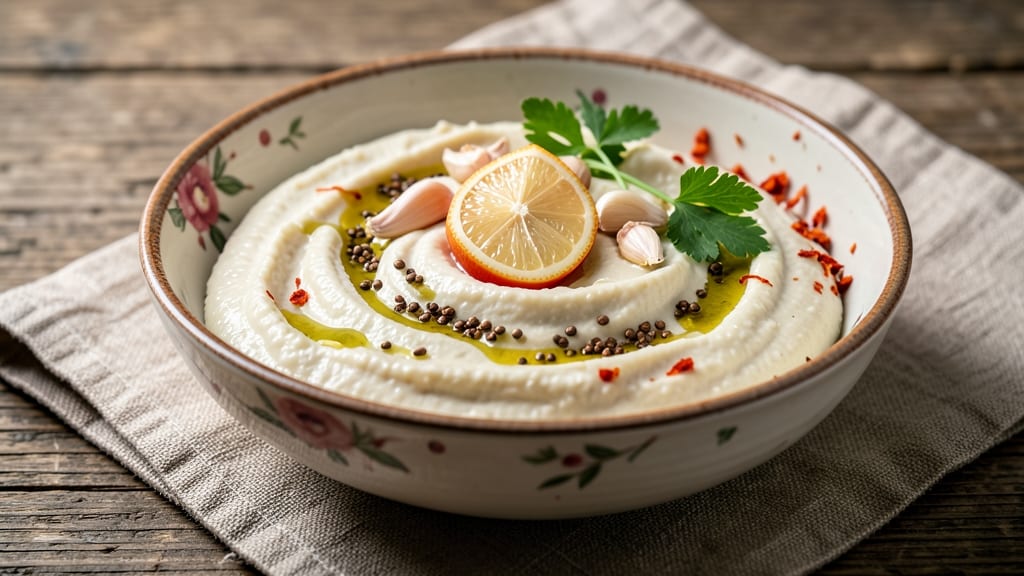
This bean hummus recipe delivers silky-smooth texture that rivals your favorite restaurant dip—thanks to a precise tahini-to-chickpea ratio and blending technique I perfected after years of testing.
The secret lies in balancing tahini's richness with bright lemon and aromatic garlic, creating a spread that’s versatile enough for dipping, sandwiches, or even as a sauce base. Every bite delivers that perfect harmony of creamy, nutty, and tangy flavors without graininess.
What sets this hummus apart is the tahini secret: using high-quality tahini and blending it with chickpeas until completely smooth eliminates that dreaded grainy texture. I also incorporate a touch of olive oil during blending to bind everything together, ensuring a velvety consistency that stays intact for hours.
The spices—cumin, salt, and smoked paprika—add depth without overpowering the natural bean flavor.
By the time you’re done, you’ll have a batch of hummus that’s restaurant-quality yet simple to make with just 8 ingredients and 10 minutes of active time. The silky texture holds its shape when scooped, making it ideal for dipping crispy vegetables, spreading on toast, or drizzling over grilled meats.
It also keeps beautifully in the fridge for up to 5 days, so you can make a big batch and enjoy it all week.
This recipe works perfectly for vegan and vegetarian diets, offering a protein-packed alternative to store-bought versions. Garnish with a drizzle of olive oil, extra paprika, or fresh herbs to elevate the presentation. Let’s get blending!
Ingredients for bean hummus
Eight simple ingredients transform into velvety hummus with restaurant-quality texture.
| Ingredient | Amount | Notes |
|---|---|---|
| Chickpeas (Canned) 🥜 | 1 ½ cups | Drained, rinsed, high-quality brand |
| Tahini (Sesame Paste) 🥜 | ½ cup | High-quality, creamy texture preferred |
| Extra-Virgin Olive Oil 🫒 | ¼ cup | Light fruity flavor for balance |
| Fresh Lemon Juice 🍋 | 2 tbsp | Freshly squeezed, no pulp |
| Garlic Cloves 🧄 | 2 cloves | Fresh, peeled, rough chopped |
| Ground Cumin 🌿 | ½ tsp | Freshly toasted for depth |
| Smoked Paprika 🌶️ | ½ tsp | For subtle smoky flavor |
| Sea Salt 🧂 | ½ tsp | Diamond Crystal preferred |
The tahini makes or breaks this recipe. Kirkland Signature or Whole Foods 365 are my go-tos—they're smooth and affordable. If you've only ever used powdered tahini, skip it—this recipe demands the real, creamy stuff. The chickpeas? Chickpeas in brine (not water) add natural sweetness, but rinse them well. For the garlic, roast it first if you want a sweeter, deeper flavor—just toss whole cloves on a baking sheet at 400°F for 15 minutes. The smoked paprika? Penzeys or Trader Joe's have the best quality, but any good brand works.
No tahini? Substitute with 0.25 cup extra olive oil plus 1 tbsp ground sesame seeds, though texture won't be identical. Fresh lemon juice hard to find? Bottled works in a pinch, but add a pinch of sugar to balance. The cumin can be swapped for ground coriander at half the amount if you're out, but it'll taste different. For the chickpeas, aquafaba (chickpea brine) works too—just reduce by 0.25 cup. The olive oil matters here—use something you'd drizzle on bread. Those peppery, assertive oils can overpower everything, so go for mild.
This hummus keeps beautifully—5 days in the fridge sealed in a jar with a thin layer of olive oil on top. For longer storage, freeze for up to 3 months. I like to portion it into small containers so I can grab just what I need. The texture actually improves after the first day as flavors meld. Garnish with extra olive oil, smoked paprika, or fresh herbs right before serving—nothing fancy, just a little something.
Why You'll Love This Recipe
- Five-Ingredient Magic: I swear by this combo—canned chickpeas, tahini, olive oil, lemon, and garlic. No fancy gadgets, no stress. Just dump, blend, taste, adjust. That’s it.
- Garlicky Lemon Zing: The moment I hit "pulse" on the blender, that bright lemon and raw garlic punch takes over. It’s not sweet, not bland—it’s alive, with that tahini richness cutting through. My husband licks the bowl.
- Dip, Spread, Stuff: This isn’t just hummus—it’s my go-to for quick lunch wraps, veggie dippers, or even a filling for stuffed peppers. (Yes, even on a Tuesday night.) The tahini keeps it creamy without being heavy.
- Fridge Superstar: Make a big batch—it’s cheaper than store-bought and lasts forever. I keep a jar in the fridge for snacks, salads, or when I’m too tired to cook. Honestly, it’s my lazy-day hero.
Step-by-step instructions for silky-smooth hummus with tahini secrets
This method transforms ordinary chickpeas into velvety hummus with a perfect tahini-to-oil balance.
Prepare the Chickpeas for Maximum Creaminess
Drain and rinse the 1.5 cups of chickpeas thoroughly under cold water to remove any residual canning liquid. I like to give them a good shake in the colander to dislodge any stubborn bits clinging to the beans. For extra-smooth hummus, I recommend reserving ¼ cup of the aquafaba (chickpea cooking liquid) separately—this starchy liquid helps create that signature silky texture when blended later.
Transfer the drained chickpeas to a medium mixing bowl and add the 2 cloves of rough chopped garlic, 0.5 teaspoon of ground cumin, and 0.5 teaspoon of smoked paprika. The rough chopping of garlic ensures maximum flavor without overwhelming bitterness. Let these ingredients sit together for 5 minutes while you prepare the tahini mixture—this allows the spices to begin penetrating the chickpeas and garlic.
Create the Tahini-Oil Emulsion
In a separate small bowl, whisk together the 0.5 cup of tahini and 0.25 cup of extra-virgin olive oil until completely smooth and homogeneous. The tahini should transform from its usual grainy texture into a silky paste—this is crucial for achieving that restaurant-quality mouthfeel. If the mixture appears too thick, add 1 tablespoon of the reserved aquafaba to help emulsify it.
Here's the thing—many home cooks make the mistake of adding tahini directly to the food processor. But blending tahini with oil first creates a stable base that prevents separation later. The oil helps carry the tahini's rich flavor while maintaining that velvety consistency. Stir in the 2 tablespoons of fresh lemon juice and 0.5 teaspoon of sea salt to this tahini mixture, whisking until fully incorporated.
Blend to Perfect Consistency
Transfer the chickpea-garlic-spice mixture to a high-powered food processor fitted with the metal blade. Pulse 3-4 times to break up the chickpeas slightly, then add the tahini-oil mixture through the feed tube while the processor is running. This gradual addition prevents the tahini from seizing up and ensures even distribution throughout the mixture.
Blend on medium speed for 1-2 minutes until the hummus becomes completely smooth. You'll notice it initially looks thick and grainy, but as it blends, it will transform into a glossy, velvety paste. If the mixture appears too thick after blending, add the reserved aquafaba 1 tablespoon at a time until you reach your desired consistency—it should be thick enough to hold its shape when spooned, but still spreadable.
Achieve the Perfect Texture and Flavor Balance
Scrape down the sides of the food processor with a rubber spatula to ensure all ingredients are incorporated. Taste the hummus and adjust seasoning if needed—this is where you'll appreciate using Diamond Crystal sea salt, which dissolves completely and enhances flavor without graininess. The hummus should have a perfect balance of tahini's nutty richness, lemon's bright acidity, and cumin's earthy warmth.
For that signature hummus finish, I like to press the hummus through a fine-mesh sieve to achieve an ultra-smooth texture. This step isn't absolutely necessary but creates that professional restaurant quality. Transfer the hummus to a serving bowl and drizzle with an additional 1 tablespoon of extra-virgin olive oil for both flavor and presentation. Let it rest at room temperature for 15 minutes before serving to allow the flavors to fully meld together.
Pro Tips For Making Bean Hummus
- Drain and Rinse Chickpeas: The liquid in canned chickpeas is salty and will make your hummus taste flat. Dump them into a colander, give them a quick cold water rinse, and shake off the excess—this keeps the texture light and the flavor sharp.
- Roast the Garlic: Skip the raw clove and roast 2-3 minced cloves in olive oil at 400°F for 8-10 minutes until golden. The caramelized sweetness cuts through the tahini’s bitterness and adds depth—trust me, it’s worth the extra time.
- Add Tahini Slowly: Tahini is thick and can turn your hummus into glue if you dump it all in at once. Start with half the amount, blend, then add the rest while blending—this avoids lumps and ensures a silky texture.
- Finish with Cold Press Oil: The last drizzle of high-quality olive oil (about 1-2 tablespoons) seals in flavor and adds a luxurious sheen. Use it cold—hot oil will separate and leave your hummus greasy instead of glossy.
Serving suggestions for leftovers
Dipping Essentials
Serve your silky hummus with crispy pita chips or warm lavash crackers for the ultimate dipping experience. I love using Trader Joe's Everything But the Bagel seasoning on my homemade pita chips—just toss them in olive oil and bake at 375°F for 10-12 minutes until golden and crisp.
For extra flair, arrange sliced bell peppers, cucumber ribbons, and cherry tomatoes in a vibrant medley around the bowl. 🥕
Sandwich & Wrap Spread
This hummus transforms into a creamy, protein-rich spread for sandwiches and wraps. Slather it on whole-grain toast with sliced avocado and smoked salmon for a vegan-friendly twist on lox.
I also love it in Mediterranean wraps with spinach, roasted red peppers, and crumbled feta—the tahini's richness balances the tangy feta perfectly. For a breakfast boost, spread it on English muffins with a poached egg on top.
Sauce Base Magic
Use hummus as a flavorful sauce base for grilled meats or roasted vegetables. Drizzle it over grilled chicken skewers or portobello mushrooms before serving.
I also blend it into creamy pasta sauces—just add ½ cup marinara sauce and ¼ cup heavy cream (or coconut milk for vegan) to create a hummus-marinara sauce that clings beautifully to linguine or spaghetti. The smoky paprika adds depth to any dish. 🍝
Garnish Like a Pro
Elevate your hummus presentation with simple, fresh garnishes. A drizzle of high-quality olive oil (like Colavita) adds shine and richness. Sprinkle with toasted sesame seeds or crushed pistachios for crunch and visual appeal.
Fresh chopped parsley or dill brightens the dish, while a pinch of smoked paprika adds warmth. For a bold touch, top with pickled capers or chopped red onion.
Global Twist Variations
Transform your hummus into global-inspired dips. For Middle Eastern flair, add 1 tbsp tahini-infused harissa and top with toasted pine nuts. For Indian-inspired flavors, mix in ½ tsp ground coriander and ½ tsp garam masala, then garnish with cilantro.
A Mexican street corn twist includes ½ cup cotija cheese, 1 tbsp lime zest, and chopped jalapeños for heat. Each variation keeps the silky texture while introducing exciting new flavors. 🌍
Meal Prep & Storage Hacks
Store hummus in an airtight container with a thin layer of olive oil on top to preserve freshness. For meal prep, portion it into small glass jars with parchment-lined lids—this makes it easy to grab for snacks or lunches.
Refrigerate for up to 5 days, but give it a stir and taste before serving, as flavors deepen over time. For freezing, portion into ice cube trays, freeze, then transfer to a bag—perfect for single-serving dips later. 🧊
Nutrition facts
Frequently asked questions
Why does my hummus turn out grainy even after blending?
The most common cause is using a low-powered food processor or adding tahini too quickly. Always blend the tahini with olive oil first to create a smooth emulsion, then add it gradually through the feed tube while processing. For ultra-smooth results, press the finished hummus through a fine-mesh sieve.
Can I make this hummus without tahini?
Yes, but the texture will be different. Replace the 0.5 cup tahini with 0.25 cup extra olive oil plus 1 tablespoon ground sesame seeds. For a creamier version, use ½ cup Greek yogurt or aquafaba instead. The flavor will still be delicious, just less nutty and rich.
How do I prevent hummus from separating in the fridge?
Always store hummus in an airtight container with a thin layer of olive oil on top to seal it. Stir well before serving, and if it separates, simply blend it again for 10-15 seconds. The reserved aquafaba helps maintain stability—add a splash if needed. For long-term storage, freeze in ice cube trays for single-serving portions.
What's the best way to use leftover hummus?
Transform it into a creamy sauce by blending with ½ cup marinara and ¼ cup coconut milk for pasta, or use as a spread on toast with smoked salmon. For dips, pair it with roasted eggplant or crispy falafel. The smoky paprika makes it perfect for grilled meats too—just drizzle over chicken skewers before serving.
Can I make this recipe with dry chickpeas instead of canned?
Cook 1 cup dry chickpeas in 3 cups water with 1 tsp baking soda (reduces gas) for 1-1.5 hours until tender. Drain, reserving ¼ cup aquafaba, then proceed with the recipe. The texture will be slightly thicker, so add aquafaba as needed during blending.