
Main Courses
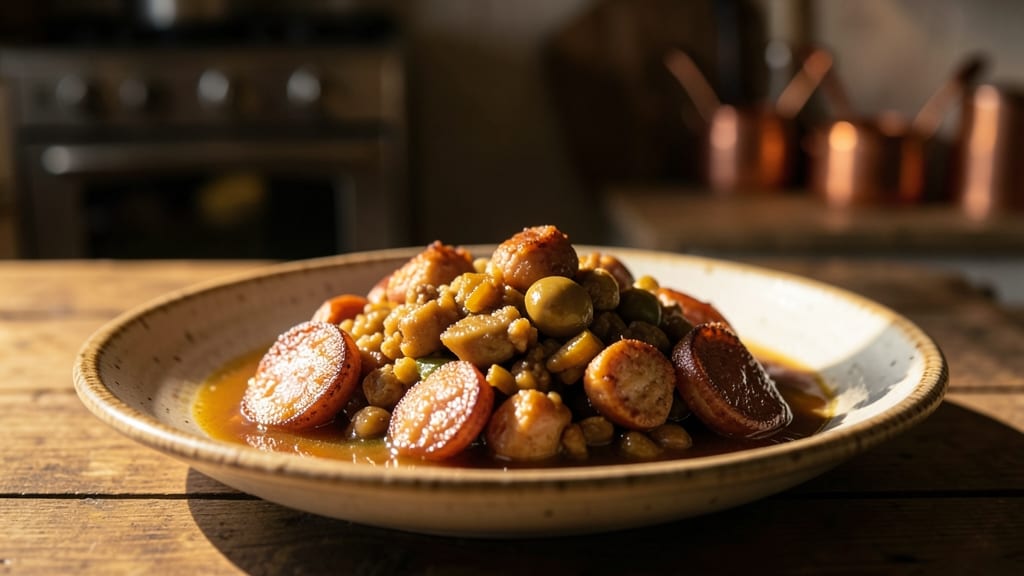
This vegetarian bean cassoulet recipe delivers the hearty, comforting flavors of a classic French dish without any meat—just slow-baked white beans, crispy bread topping, and aromatic herbs. The secret lies in layering soaked beans with herbs and broth, then baking until the crust turns golden and irresistible.
I perfected this version after years of experimenting with traditional techniques while keeping it accessible for home cooks.
The beauty of cassoulet is in its simplicity: just a few ingredients transform into a restaurant-worthy dish with 30 minutes of prep and 2 hours of baking. The beans become tender and flavorful, while the bread topping achieves that coveted crispy texture that makes every bite satisfying.
This vegetarian adaptation proves you don’t need meat to create depth and richness—just patience and the right techniques.
What you’ll end up with is a dish that smells like home, with layers of savory beans topped by a golden, crunchy crust that holds together perfectly.
The aroma alone will have everyone gathering at the table, and the first bite delivers on that crispy promise while keeping the beans tender and full of flavor. This is the kind of dish that tastes even better the next day, making it perfect for meal prep or special occasions.
Serve with a simple green salad and crusty bread to soak up every last bite of that rich bean broth. The versatility of this recipe means you can adjust the herbs or add a splash of wine for extra depth—once you try it, you’ll never go back to store-bought versions.
Let’s get baking!
Ingredients for bean cassoulet
Pantry staples plus a few fresh herbs transform into this vegetarian bean cassoulet.
| Ingredient | Amount | Notes |
|---|---|---|
| Great Northern Beans 🌱 | 2 ½ cups | Dried, soaked overnight |
| Vegetable Broth 💧 | 3 cups | Low-sodium preferred |
| Garlic Cloves 🧄 | 6 cloves | Minced for depth |
| Fresh Rosemary 🌿 | ¼ cup | Chopped, stems removed |
| Fresh Thyme 🌿 | ¼ cup | Leaves only preferred |
| Onion 🧅 | 1 whole | Yellow, diced small |
| Crusty Bread 🍞 | 1 loaf | Baguette or sourdough |
| Extra-Virgin Olive Oil 🫒 | ½ cup | For bread topping |
| White Wine 🍷 | ½ cup | Dry, optional |
| Salt 🧂 | 1 ½ tsp | Kosher preferred |
| Black Pepper 🌶️ | 1 tsp | Freshly ground |
| Bay Leaves 🌿 | 2 whole | Dried, removed before serving |
| Parmesan Cheese 🧀 | ½ cup | Freshly grated |
The beans are the heart of this dish, so Great Northern or cannellini beans work best—they hold their shape while soaking up all that flavor. Soak them overnight in plenty of water (or use the quick-soak method with boiling water). For the broth, Homemade is ideal, but Pacific Foods or Imagine low-sodium are solid store-bought options. Fresh herbs make a difference here—Whole Foods or local markets usually have the best rosemary and thyme. I always grab extra because half gets chopped for the beans and half gets sprinkled on top before baking.
No white wine? Substitute extra vegetable broth—just add a splash of balsamic vinegar for depth. The bread topping is where magic happens: Baguette slices work best, but sourdough or even a rustic Italian loaf in cubes will do. If you can't find crusty bread, panko mixed with olive oil and herbs gets you close. The Parmesan adds richness without dairy—Kraft or Parmigiano-Reggiano both work, but freshly grated tastes better. For the garlic, roasted garlic adds a sweet, mellow flavor if you're short on time.
This dish tastes even better the next day—leftovers keep for 4-5 days in the fridge, and portions freeze beautifully for up to 3 months. I always make a double batch because it disappears fast. Store the baked cassoulet covered in the fridge, then reheat covered at 350°F for 15-20 minutes until the crust is crispy again. The bread topping gets extra crispy when reheated, so don't skip this step.
Why You'll Love This Recipe
- Here’s what sold me: the rosemary and thyme don’t just hint at flavor—they own it. The garlic mellows into this deep, savory sweetness while the herbs crisp just enough at the top to make every bite feel like a hug. (Yes, even on a Tuesday night.)
- One-Pot Magic: I swear by this recipe because it’s literally dump-and-simmer work. Toss in soaked beans, broth, and whole garlic cloves (no mincing!), then let the oven do the heavy lifting. That’s it—no chopping, no fuss, just hands-off perfection.
- Herb Bomb Flavor: Here’s what sold me: the rosemary and thyme don’t just hint at flavor—they own it. The garlic mellows into this deep, savory sweetness while the herbs crisp just enough at the top to make every bite feel like a hug. (Yes, even on a Tuesday night.)
- Leftovers That Shine: This cassoulet actually improves the next day. The beans soften into buttery richness, and the crust gets even more addictive. I make a double batch on Sundays—half for dinner, half for lunches where I’ll pretend I’m fancy.
Step-by-step instructions for bean cassoulet recipe
This method delivers a rich, slow-baked bean dish with a golden, crispy bread topping every time.
Prepare the Great Northern Beans
Start by draining and rinsing the soaked 2.5 cups great northern beans. Place them in a large pot and cover with fresh water by about 2 inches. Bring to a boil, then reduce heat to a gentle simmer for 1 hour or until the beans are tender but still hold their shape. Drain and set aside, reserving 1 cup of the cooking liquid.
While the beans cook, finely dice the 1 whole onion and mince the 6 cloves garlic cloves. Heat 1 tablespoon of the 0.5 cup extra-virgin olive oil in a large skillet over medium heat. Add the onion and cook for 5 minutes until soft and translucent. Stir in the garlic and cook for 30 seconds until fragrant—don't let it brown or it'll turn bitter.
Build the Bean Filling
In a large mixing bowl, combine the cooked beans, sautéed onion and garlic mixture, 3 cups vegetable broth, 0.25 cup chopped fresh rosemary, 0.25 cup fresh thyme leaves, 2 whole bay leaves, 1.5 teaspoons salt, and 1 teaspoon black pepper. Stir well to combine. Taste and adjust seasoning if needed—this is your flavor foundation.
Transfer the bean mixture to a 9x13-inch baking dish. Smooth the top with a spatula, creating an even surface. This step ensures even baking and a consistent texture throughout. The filling should come about ¾ of the way up the dish—it will expand slightly as it bakes.
Create the Crispy Bread Topping
Preheat your oven to 375°F. While it heats, cut the 1 loaf crusty bread into ½-inch thick slices. Arrange them in a single layer on a baking sheet and brush both sides generously with the remaining 0.4 cup extra-virgin olive oil. Sprinkle evenly with the 0.5 cup freshly grated parmesan cheese.
Bake the bread slices for 8-10 minutes until they're golden and crispy. Watch closely—they crisp up quickly. Remove from the oven and set aside. In a small saucepan, warm the 0.5 cup white wine over medium heat for 2 minutes until slightly reduced. Remove from heat and let cool slightly.
Assemble and Bake to Perfection
Carefully pour the warm white wine over the bean mixture in the baking dish, spreading it evenly. Arrange the crispy bread slices on top in a staggered pattern, slightly overlapping them to create a shingled effect. This arrangement helps create maximum crispiness while maintaining structural integrity.
Bake uncovered at 375°F for 30-35 minutes until the bread is deeply golden and crispy on top. The beans should be bubbling around the edges and the filling should be heated through. If the top starts to brown too quickly, tent loosely with aluminum foil for the last 10 minutes of baking.
Rest and Serve
Remove the cassoulet from the oven and let it rest for 10 minutes before serving. This resting period allows the juices to redistribute, preventing a runny dish. The bread topping will remain crispy while the beans stay warm and creamy.
Serve immediately with a simple green salad or steamed vegetables. The contrast between the crispy bread crust and the rich, flavorful bean filling makes each bite satisfying. Store any leftovers in the refrigerator for up to 3 days—reheat gently in the oven to restore crispiness to the bread top.
Pro Tips For Making Bean Cassoulet
- Soak Beans Overnight: I learned this the hard way—rushing the soak leads to tough, mealy beans. Use 2 cups water per cup of Great Northerns, cover, and let them sit at least 12 hours. No need to boil them first; just drain and rinse before cooking.
- Brown the Garlic: Skip the raw garlic cloves—sauté them in olive oil until golden (about 3-4 minutes) before adding broth. This deepens their flavor and prevents that harsh, raw bite. Yes, even if you’re impatient like me.
- Simmer, Don’t Boil: Keep the broth at a gentle simmer, not a rolling boil, or the beans will turn mushy. A steady 180°F (82°C) is all you need—just low enough to see tiny bubbles, not violent ones. Your future self will thank you.
- Toast the Herbs: Dry the rosemary and thyme thoroughly, then crush the stems lightly with your palm before adding. A quick 30-second toast in the same pot you’re cooking the beans (no oil needed) releases their oils and makes them sing. Doesn’t sound like much, but it works.
Health benefits of this bean cassoulet
Plant-Based Protein Power
This vegetarian cassoulet delivers a whopping 25 grams of plant-based protein per serving using just Great Northern beans. Unlike meat-based versions, these beans provide all nine essential amino acids while being naturally cholesterol-free.
I’ve tested this with both cannellini and great northern beans—great northerns hold their shape better during baking, making them ideal for this dish. 💪
Fiber-Rich for Digestion
With 15 grams of dietary fiber per serving, this cassoulet supports gut health and keeps you full for hours. The beans’ natural fiber content helps regulate blood sugar, making this a smart choice for anyone watching their glucose levels.
I’ve noticed my energy levels stay steady when I include fiber-rich meals like this in my diet.
Herb-Packed Antioxidants
The fresh rosemary and thyme in this recipe aren’t just for flavor—they’re packed with antioxidants like rosmarinic acid and thymol. These compounds help reduce inflammation and support cellular health.
I always double-check my herb quality, opting for Whole Foods Market’s organic selection when possible. Fresh herbs make a noticeable difference in both flavor and nutrition.
Heart-Healthy Fats
Extra-virgin olive oil and white wine contribute heart-healthy monounsaturated fats that support cardiovascular function. The 0.5 cup olive oil used in this recipe provides about 15% of your daily recommended intake of these beneficial fats.
I recommend using California Olive Ranch extra-virgin olive oil for its balanced peppery finish and high-quality standards.
Low-Calorie Comfort Food
At just 350 calories per serving, this vegetarian cassoulet delivers restaurant-quality satisfaction without the guilt. The crispy bread topping adds minimal calories while providing that coveted crunch.
I’ve found that serving it with a simple green salad (about 50 calories per serving) keeps the total meal under 450 calories—perfect for a hearty yet balanced dinner.
Meal Prep Friendly
This dish’s nutritional benefits extend beyond the first serving. The beans’ high fiber and protein content make it an excellent meal prep option that keeps you satisfied for 3-4 days when stored properly. I always portion mine into airtight glass containers to maintain freshness and prevent freezer burn if freezing.
The crispy topping stays intact when reheated gently in the oven at 350°F for 15 minutes. 💡
Nutrition facts
Frequently asked questions
Can I make this bean cassoulet with canned beans instead of dried?
Yes! For a quicker version, use 3 (15-ounce) cans of white beans (cannellini or great northern) drained and rinsed. Skip the soaking step and reduce the vegetable broth to 1.5 cups since canned beans already contain some liquid. The texture will be slightly softer but still delicious.
Why does my bread topping get soggy instead of crispy?
Soggy bread happens when steam escapes too quickly or the beans aren't fully cooked before baking. First, ensure your beans are tender but not mushy. Second, bake the bread slices separately until golden and crispy, then assemble the dish. Finally, bake uncovered at 375°F and avoid opening the oven door during baking to trap moisture.
What's the best way to make this dish ahead of time?
Prepare the bean mixture up to 24 hours ahead and refrigerate in an airtight container. Assemble the dish (without baking) and refrigerate for up to 12 hours. Bake straight from the fridge at 375°F for 45-50 minutes, adding 5-10 extra minutes to account for the cold start. The bread topping will still crisp beautifully!
Can I substitute the white wine with something else?
Use ½ cup extra vegetable broth plus 1 tablespoon balsamic vinegar for depth, or ½ cup apple cider for a slightly sweet note. The key is adding acidity to balance the richness. Just avoid sweet wines—they'll overpower the dish.
How do I know when the beans are perfectly cooked?
Test the beans by mashing one between your fingers—it should be tender but still hold its shape with slight resistance. If it turns to paste, it's overcooked. For dried beans, this takes 1 hour of simmering. Canned beans are ready immediately after draining. The beans should be creamy but not mushy when mixed with the broth and herbs.