Main Courses
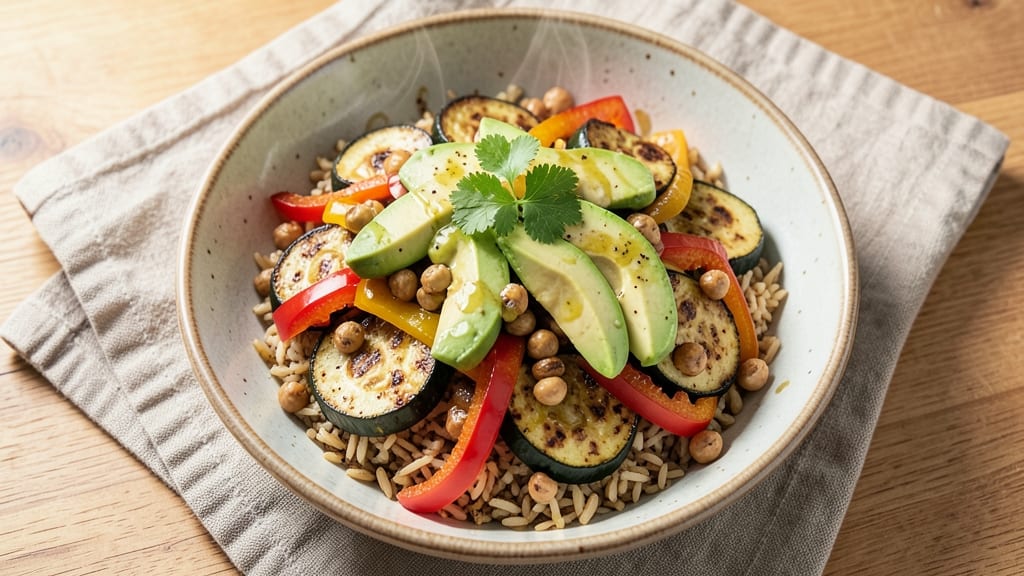
This bean bowl recipe transforms simple ingredients into a balanced, protein-packed meal that requires just one pot and 30 minutes of active time.
The foundation starts with fluffy rice or quinoa, layered with hearty black beans, roasted vegetables, and your choice of protein—whether it's crispy chickpeas, grilled chicken, or sautéed tofu. What makes this recipe stand out is its adaptability; it easily accommodates vegetarian, vegan, or gluten-free preferences without sacrificing flavor or texture.
The cooking process is methodical yet straightforward: roast the vegetables until caramelized, sauté the protein until tender, and assemble everything over a base of grains.
The key to success lies in balancing textures—crispy roasted veggies, creamy avocado slices, and tender protein all come together to create a dish that’s as satisfying as it is nutritious.
This isn’t just a bowl; it’s a complete, customizable meal that can be tailored to whatever’s in your pantry or aligns with your dietary needs.
What you’ll end up with is a visually appealing, flavorful bowl that’s packed with plant-based protein, fiber-rich grains, and vibrant vegetables. The roasted elements add depth, while the toppings—like crumbled cheese, toasted nuts, or a drizzle of tahini—elevate the dish into something restaurant-worthy.
The best part? It’s a recipe that scales effortlessly, whether you’re cooking for one or feeding a crowd.
Ready to assemble? The instructions walk you through each step, from prepping the ingredients to plating the final bowl. Whether you’re meal prepping for the week or whipping up dinner in a hurry, this bean bowl delivers restaurant-quality results with minimal effort. Let’s get started.
Ingredients for bean bowl
Simple grains, hearty beans, and vibrant veggies—this bowl balances texture and nutrition perfectly.
| Ingredient | Amount | Notes |
|---|---|---|
| Black Beans 🌱 | 1 ½ cups | Cooked, drained, or canned no-salt added |
| Cooked Brown Rice 🍚 | 2 cups | Day-old rice preferred for texture |
| Avocados 🥑 | 1 whole | Ripe, sliced for creamy texture |
| Bell Peppers 🍅 | 1 ½ cups | Red, yellow, or orange, diced |
| Zucchini 🥒 | 1 lb | Medium size, sliced into half-moons |
| Chickpeas 🌾 | 1 cup | Drained, rinsed, for crispy topping |
| Extra-Virgin Olive Oil 🫒 | ¼ cup | For roasting vegetables |
| Lime 🍋 | 1 whole | Juiced, for bright finish |
| Cilantro 🌿 | ¼ cup | Fresh, chopped for garnish |
| Garlic Cloves 🧄 | 4 cloves | Minced for roasting vegetables |
| Cumin 🌶️ | 1 tsp | Ground, for roasted veggies |
| Smoked Paprika 🌶️ | ½ tsp | For depth in seasoning |
| Salt 🧂 | 1 ½ tsp | Diamond Crystal preferred |
| Black Pepper 🌶️ | ½ tsp | Freshly cracked |
| Chicken Breast 🍗 | 1 lb | Boneless, skinless, sliced thin |
The black beans are the protein backbone—no-salt-added canned saves time, but if you're cooking from dry, soak overnight for creamier texture. Trader Joe's and Whole Foods carry excellent canned options, but any store's low-sodium variety works. The zucchini and bell peppers should be fresh, not waxy—look for firm, bright vegetables at the store. For the rice, day-old works best (it's less sticky), but freshly cooked is fine if you're short on time. The avocados? Ripe but firm is key—press gently, they should yield slightly to touch but not be mushy.
No fresh cilantro? Dried works at half the amount, though it lacks that bright freshness. Short on bell peppers? Sweet onion or mushrooms add depth. The chicken can be swapped for tofu or tempeh (press and marinate first), and the chickpeas? White beans or lentils work in a pinch. For the roasted veggies, toss with olive oil and spices right before roasting—don't let them sit, or they'll get soggy. The lime juice should be freshly squeezed; bottled lacks that zesty punch. And if you're meal prepping, hold off on adding avocado until serving—it browns fast.
This bowl keeps beautifully for 4 days in the fridge, though the avocado and lime dressing should be added fresh. Store components separately—grains, proteins, and veggies—then assemble when ready to eat. For make-ahead prep, roast the veggies and cook the protein first; they reheat well. The dressing (lime, olive oil, salt) can be prepped in a jar and shaken just before serving. Freezes for 3 months if you blanch the veggies first, but texture changes slightly—best for reheating soupy elements like beans or rice.
Why You'll Love This Recipe
- I swear by this hack: toss the raw bell peppers and zucchini straight into the pan with the beans—no dicing required. They soften perfectly while everything else cooks, and honestly? The kids don’t even notice if they’re slightly uneven.
- No-Chop Shortcuts: I swear by this hack: toss the raw bell peppers and zucchini straight into the pan with the beans—no dicing required. They soften perfectly while everything else cooks, and honestly? The kids don’t even notice if they’re slightly uneven.
- Creamy-Crunch Contrast: That avocado mash on top isn’t just pretty—it’s the magic. The cool, buttery richness cuts through the earthy beans and chewy rice, while the bell peppers add a bright snap. Between us, I’ve ruined salads with less balance.
- Lunchbox Army: Make a double batch and store it in jars—rice at the bottom, beans and veggies on top. My son packs these for school and comes home raving (even though I tell him to eat his carrots first). Zero sad leftovers here.
Step-by-step instructions for layered bean bowls
Here's how to assemble a vibrant, protein-packed bowl where every component shines.
Roast the Vegetables for Maximum Flavor
Preheat your oven to 425°F and line a large baking sheet with parchment paper. Toss the 1 lb zucchini and 1.5 cups bell peppers with 0.25 cup extra-virgin olive oil, 4 minced garlic cloves, 1 tsp cumin, 0.5 tsp smoked paprika, 1 tsp salt, and 0.25 tsp black pepper. Spread them in a single layer—crowding will steam instead of roast.
Roast for 20-25 minutes until the edges are deeply caramelized and the zucchini yields slightly when pressed. You'll smell that sweet, charred aroma—this is when you know they're perfectly done. Let them cool slightly before assembling your bowls, as hot vegetables will make the avocado melt into a sad puddle.
Prepare the Protein Components
Slice the 1 lb chicken breast into thin strips against the grain for maximum tenderness. Heat 1 tablespoon olive oil in a skillet over medium-high heat and cook the chicken for 4-5 minutes until the edges are golden brown and the internal temperature reaches 165°F. Remove and set aside.
In the same skillet, add the 1 cup chickpeas and cook for 3-4 minutes until lightly crispy. The chickpeas should develop a toasted, nutty aroma—this is your crispy topping. Season with an extra pinch of salt if needed. Keep both components warm until serving.
Assemble the Base Layer
Divide the 2 cups cooked brown rice evenly among four bowls. The rice should be at room temperature for best texture—day-old rice works perfectly. Press down gently with a spoon to create a stable base that won't get soggy when you add the other components.
Layer the 1.5 cups black beans over the rice, spreading them evenly. The beans should be warmed through but not mushy. Here's the thing—don't skip this layer. The beans provide essential fiber and plant-based protein that balances the meal perfectly. You'll notice the colors already starting to create visual appeal.
Add Roasted Vegetables and Protein
Spoon the roasted zucchini and bell peppers over the beans, distributing them evenly. The vegetables should still be warm but not steaming. Add the cooked chicken strips and chickpeas next, creating a balanced distribution of colors and textures across each bowl.
Here's where the magic happens: the crispy chickpeas add crunch, the roasted vegetables bring sweetness, and the chicken provides lean protein. Each bite should offer a satisfying mix of textures—creamy, crunchy, tender, and crispy all in one forkful.
Finish with Fresh Toppings
Slice the 1 whole avocado and arrange the slices on top of each bowl. The avocado should be at room temperature for best texture—it should yield slightly when pressed. Squeeze 1 whole lime over everything and sprinkle with 0.25 cup chopped cilantro. Finish with a final pinch of salt and black pepper.
Serve immediately while the avocado is still creamy and the chickpeas maintain their crispness. The lime juice will brighten all the flavors, cutting through the richness of the avocado and chicken. Each bowl should look vibrant and inviting, with layers of color and texture that make it as appealing to the eyes as it is to the palate.
Pro Tips For Making Bean Bowl
- Sauté Veggies Separately: Black beans and zucchini release water at different rates—don’t crowd the pan. Sauté bell peppers and zucchini first in a dry skillet until they soften and release moisture, then push them aside and cook the black beans in the same pan. The residual veggie juices add flavor without steaming your beans.
- Salt the Beans Early: Black beans need time to soften and absorb flavor. Add a teaspoon of salt to the cooking liquid (or canned beans when rinsing) while they simmer—this prevents them from tasting bland later, even if you forget to season the bowl itself.
- Slice Avocados Last: Avocados turn brown the second you cut them. Keep them whole until serving, then slice just before assembling the bowls. If you’re prepping ahead, toss the sliced avocado with a squeeze of lime juice—it buys you 20 minutes of green color.
- Use Leftover Rice: Cold brown rice clumps less than fresh, and it’s already perfectly cooked. If you’re short on time, use day-old rice—just fluff it with a fork and a splash of water to separate the grains. Fresh rice? Toast it in the dry pan for 2 minutes first to crisp the edges.
Make-ahead tips for leftovers
Prep Ahead Components
Start by roasting the vegetables and cooking the protein 2 days in advance. The roasted zucchini and bell peppers keep well in an airtight container in the fridge for 4 days, and the chicken or tofu stays fresh for 3 days.
I like to store them separately to maintain texture—veggies in one container, protein in another. This way, you can assemble bowls in minutes when you're ready to eat. 📅
Grain Prep Shortcut
Cook a big batch of brown rice or quinoa and store it in the fridge for 3-4 days. Day-old grains have a firmer texture, which prevents soggy bowls. I use glass Pyrex containers because they’re microwave-safe and stack neatly.
Portion the grains into single servings to make assembly even faster. The rice stays good for 5 days if stored properly.
Avocado Hack
Skip adding avocado until serving—it browns quickly and loses its creamy texture. Instead, store the avocados whole at room temperature until you’re ready to slice. For meal prep, buy avocados that are firm but yielding (they’ll ripen overnight).
I also keep lime wedges separate and only squeeze them fresh when serving to prevent the dressing from turning bitter. 🥑
Protein Swaps
Cook extra protein to have on hand for quick assembly. Grilled shrimp, shredded rotisserie chicken, or crispy baked tofu all reheat well. Store cooked proteins in single-serving portions to avoid reheating leftovers.
For chickpeas, roast a big batch and store them in the fridge—they stay crispy for 3 days if kept in a paper towel-lined container to absorb moisture.
Dressing Prep
Make the lime dressing in advance and store it in a small jar with a tight-sealing lid. Shake it gently before using to combine the ingredients. I like to keep the dressing separate until serving to prevent the avocado from browning.
For extra flavor, add 1 tbsp tahini or 1 tsp honey to the dressing—both keep well in the fridge for 5 days. 💛
Freezer-Friendly Base
If you’re prepping for the freezer, focus on the grains, beans, and roasted veggies—these reheat best. Store them in freezer-safe bags with 1 inch of headspace to prevent ice crystals. Reheat the grains and beans in the microwave for 2-3 minutes with a splash of water.
The roasted veggies can be reheated in a skillet over medium heat for 3-4 minutes to restore crispness. Just hold off on adding avocado until after reheating.
Nutrition facts
Frequently asked questions
Can I make this bean bowl vegetarian or vegan?
Swap the chicken for crispy baked tofu or marinated tempeh for protein. Use vegan cheese or omit cheese entirely, and ensure your beans are plant-based. The chickpeas and black beans already provide plenty of protein—just add 1 tbsp nutritional yeast for a cheesy flavor boost.
How do I keep the avocado from browning in meal prep?
Never add avocado until right before serving—it oxidizes quickly. Store whole avocados at room temperature and slice them just before assembling. For extra protection, brush sliced avocado with a tiny bit of lemon juice or keep them submerged in water until ready to use.
What’s the best way to reheat leftovers without making them soggy?
Reheat grains and beans separately in the microwave for 2 minutes with a splash of water. For veggies, warm them in a dry skillet over medium heat for 3-4 minutes to restore crispness. Never reheat avocado—add fresh slices after warming the rest. The key is low and slow to preserve textures.
Can I use canned beans instead of cooking dried?
Yes! Use no-salt-added canned beans for best flavor control. Rinse them well to remove excess sodium. For extra richness, warm the beans with a pinch of cumin and garlic powder before assembling. Dried beans take longer but develop deeper flavor if you soak them overnight.
What are the best toppings to customize this bowl?
Try crumbled feta or cotija cheese, toasted pumpkin seeds, pickled red onions, or hot sauce for extra kick. For crunch, add crispy shallots or toasted coconut flakes. The possibilities are endless—just balance textures (creamy, crunchy, crispy) and flavors (tangy, spicy, sweet).