
Sauces & Condiments
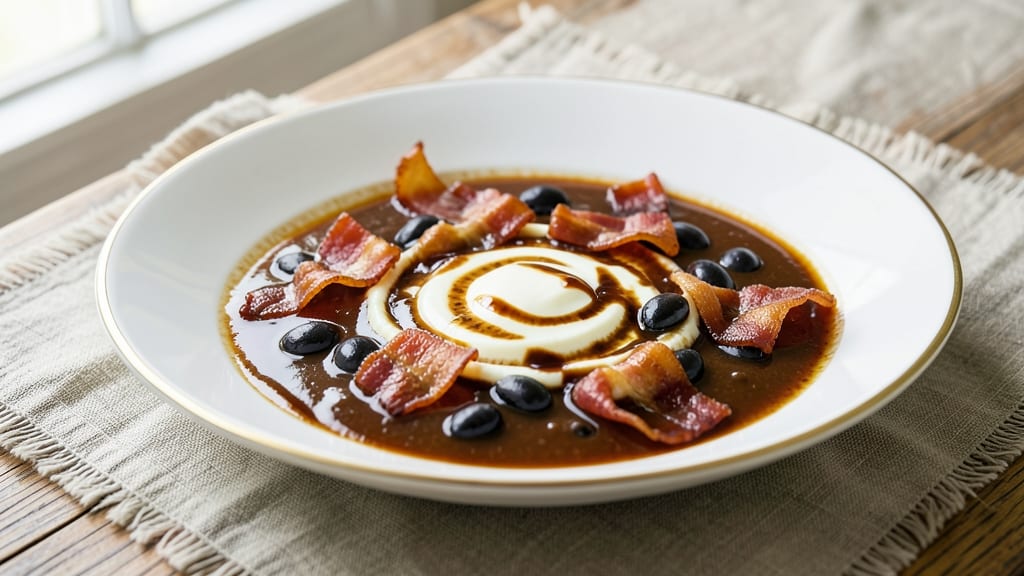
This baked bean sauce recipe transforms humble ingredients into a smoky-sweet tomato base that elevates everything from tacos to sandwiches. The secret lies in slow-cooked beans, rich tomato paste, and crispy bacon that adds depth without overpowering.
I developed this sauce after years of perfecting the balance between sweet and savory—it’s the kind of condiment that turns ordinary meals into something special.
What makes this sauce stand out is its versatility and simplicity. With just 10 ingredients and 30 minutes of active prep (plus simmering time), you’ll end up with a thick, velvety sauce that’s perfect for dipping, drizzling, or spreading.
The bacon crisp adds a textural contrast that keeps every bite interesting, while the molasses and brown sugar create that signature caramelized sweetness.
Imagine spooning this sauce over crispy tacos, slathering it on grilled cheese sandwiches, or serving it as a dip with tortilla chips. The flavors deepen as it sits, making it even better the next day—ideal for meal prep.
This isn’t just a sauce; it’s a flavor booster that turns simple dishes into standout meals.
Best of all, it keeps well in the fridge for up to 5 days or freezes for months, so you’ll always have a pantry staple ready to transform your cooking. Let’s get started—your taste buds will thank you.
Ingredients for baked bean sauce
Ten simple ingredients transform into a smoky-sweet sauce that's perfect for tacos, sandwiches, and dipping.
| Ingredient | Amount | Notes |
|---|---|---|
| Canned Navy Beans 🍲 | 2 cups | Drained and rinsed thoroughly |
| Tomato Paste 🍅 | ½ cup | Squeeze tube or canned |
| Crispy Bacon 🥓 | 4 oz | Chopped into small pieces |
| Unsalted Butter 🧈 | 2 tbsp | Full-fat for richness |
| Molasses 🍯 | 2 tbsp | Dark molasses preferred |
| Light Brown Sugar 🍚 | 2 tbsp | Packed lightly |
| Apple Cider Vinegar 🍏 | 1 tbsp | For tangy balance |
| Smoked Paprika 🌶️ | 1 tsp | For smoky depth |
| Garlic Powder 🧄 | ½ tsp | Freshly ground preferred |
| Diamond Crystal Kosher Salt 🧂 | ½ tsp | Adjust to taste |
The beans are the heart of this sauce, so don’t skimp on quality. Canned navy beans work best—they hold their shape and absorb flavors beautifully. I always grab the no-salt-added variety from the bulk bins at Whole Foods or Trader Joe's for better control over seasoning. The bacon is non-negotiable for that crispy texture—thick-cut bacon from Oscar Mayer or Costco crisps up perfectly. For the tomato paste, Rao's or San Marzano brands elevate the sauce without overpowering it. If you're using canned tomato paste, make sure it's smooth—not chunky—and stir it well before measuring.
No molasses? Maple syrup works in a pinch, though it’ll taste slightly different. Short on bacon? Smoked turkey bacon or even crispy fried onions add a similar texture. The brown sugar can be swapped for white sugar plus an extra pinch of cinnamon if that’s what you have. Fresh garlic powder? Toast it in a dry pan for 30 seconds to deepen the flavor—game changer. If you’re using dried garlic instead, double the amount. The apple cider vinegar adds brightness, but red wine vinegar works just as well if you’re out. And trust me, the smoked paprika is worth hunting down—Penzeys or McCormick have great options.
This sauce tastes even better the next day as the flavors meld together. Store it in an airtight container in the fridge for up to 5 days, or freeze portions for 3 months. I like to portion it into small jars so I can grab just what I need for a quick meal. If it thickens too much, just stir in a splash of water or broth. The sauce reheats beautifully—simmer on the stove for 5 minutes or microwave for 1-2 minutes, stirring occasionally. It’s perfect for meal prep—just make a big batch and keep it on hand for those lazy weeknights.
Why You'll Love This Recipe
- Pantry to Plate: I swear by this recipe when I’m staring at an empty fridge at 6:30 PM. Canned beans, tomato paste, and leftover bacon? That’s all I need—no shopping, no stress. The molasses ties it all together with a smoky sweetness that feels intentional, even if I’m half-asleep while stirring.
- Smoky-Sweet Magic: That molasses-butter combo? It’s what makes this sauce dangerously good. The crispy bacon adds a salty crunch, while the tomato paste keeps it rich without being heavy. Honestly, I’ve used it as a dip, a burger topping, and even a pasta sauce—each time, people ask for the recipe.
- Weeknight Wonder: Between us, this is my secret weapon for busy nights. Double the batch, store it in jars, and you’ve got a ready-made flavor booster for tacos, grilled cheese, or even mashed potatoes. My kids grab it straight from the fridge—no judgment here.
- Budget-Friendly Staple: Navy beans and bacon stretch this sauce into a full meal. A single jar of tomato paste and a small bottle of molasses last for months, and the leftovers? They taste just as good reheated as they do fresh. I’ll be real: this is how I feed my family without breaking the bank.
Step-by-step instructions for baked bean sauce
This smoky-sweet sauce builds layer by layer—start with crispy bacon and end with rich, caramelized depth.
Sauté the Bacon Until Crisp
Heat a large skillet over medium heat and add the 4 oz crispy bacon. Cook for 5-6 minutes, stirring occasionally, until the bacon is deep golden brown and the fat has rendered out. You'll want about 2 tablespoons of that crispy fat remaining in the pan—this is your flavor foundation. If the bacon starts to smoke before browning, reduce the heat slightly and give it more time.
Remove the bacon with a slotted spoon and transfer it to a paper towel-lined plate. Let it cool slightly, then roughly chop it into small pieces. Reserve the rendered fat in the skillet—you'll use it to build the sauce's rich base. This step is crucial; the bacon's crispiness and smoky flavor will carry through the entire dish.
Build the Sauce Base with Tomato and Molasses
Return the skillet to medium heat and add the 2 tablespoons unsalted butter. Let it melt completely, then stir in the 0.5 cup tomato paste. Cook for 2-3 minutes, stirring constantly, until the tomato paste darkens slightly and releases its deep, concentrated flavor. This step develops the sauce's rich, umami backbone.
Next, add the 2 tablespoons molasses and 2 tablespoons light brown sugar. Stir vigorously for 1 minute until everything is well combined and the mixture begins to bubble gently. The molasses and sugar will caramelize slightly, adding a complex sweetness that balances the smokiness. Here's the thing—don't rush this step. Letting the sugar and molasses meld with the tomato paste creates the sauce's signature depth.
Add Beans and Seasonings
Pour in the 2 cups drained and rinsed canned navy beans along with the 1 tablespoon apple cider vinegar. Stir well to coat each bean in the rich tomato-molasses mixture. The vinegar will brighten the flavors and cut through the sweetness just enough to keep the sauce balanced.
Sprinkle in the 1 teaspoon smoked paprika, 0.5 teaspoon garlic powder, and 0.5 teaspoon diamond crystal kosher salt. Stir everything together until the beans are evenly distributed and the seasonings are fully incorporated. Taste the mixture at this point—you'll notice it's still developing its full flavor potential. This is where the magic happens: the beans absorb the smoky-sweet sauce while the seasonings meld together.
Simmer Until Thick and Flavorful
Reduce the heat to low and let the sauce simmer uncovered for 15-20 minutes. Stir occasionally to prevent sticking and allow the flavors to deepen. You're looking for the sauce to thicken slightly and reduce in volume by about 20%. The beans should be tender but still hold their shape, and the sauce should coat the back of a spoon with a velvety texture.
If the sauce becomes too thick before the beans are tender, add 2-3 tablespoons of water or bean liquid to loosen it. The sauce should be thick enough to coat the beans but still have a spoonable consistency. During this time, the flavors will meld together beautifully—the smokiness from the bacon and paprika, the sweetness from the molasses and sugar, and the tang from the vinegar will create a harmonious balance.
Finish with Crispy Bacon and Rest
Return the chopped crispy bacon to the skillet and stir it into the sauce. Let the mixture simmer for an additional 2-3 minutes, just long enough to warm through the bacon and infuse it with the sauce's flavors. The bacon will add another layer of texture and richness that elevates the entire dish.
Remove the skillet from heat and let the sauce rest for 5 minutes. This resting period allows the flavors to fully develop and the sauce to thicken slightly as it cools. Taste and adjust the seasoning if needed—you might want to add a pinch more salt or a splash of vinegar to perfect the balance. Serve the sauce warm over grilled meats, in tacos, or as a hearty side dish with crusty bread.
Pro Tips For Making Baked Bean Sauce
- Drain and Rinse Beans: That canned bean liquid is salty and starchy—drain them into a colander, then rinse under cold water. I learned this the hard way after my sauce turned out gloppy and unseasoned; the rinse cuts both the salt and the excess starch that thickens like glue.
- Cook Tomato Paste First: Bloom the tomato paste in butter over medium heat for 3-4 minutes before adding anything else. This step deepens the flavor and prevents that raw, chalky taste—trust me, your sauce will taste like it simmered for hours instead of minutes.
- Chop Bacon Coarse: Skip the fine crumbles—cut that bacon into ½-inch chunks. They’ll crisp better, melt slower, and add pockets of smoky richness instead of turning into a greasy sludge. (Yes, even if you’re impatient like me.)
- Simmer Low and Long: After everything’s combined, reduce heat to a bare simmer and let it cook uncovered for 20 minutes. This isn’t the time to rush—it’s when the molasses and bacon flavors marry properly. Skimp here, and you’ll just have sweetened bean paste.
Essential equipment for this recipe
Skillet Essentials
Your 10-inch cast iron skillet is the workhorse for this sauce—it retains heat beautifully and develops the deep, caramelized flavors. I swear by a Lodge Pre-Seasoned Cast Iron Skillet because it’s heavy enough to handle prolonged simmering without scorching.
If you don’t have cast iron, a stainless steel skillet (like All-Clad) works too, but preheat it longer to avoid sticking. Avoid nonstick—it can’t handle the high heat needed for that perfect smoky depth. 🔥
Measuring Tools
Precision matters here, especially with the molasses and brown sugar. Use a stainless steel measuring spoons set (like OXO Good Grips) for accuracy—these won’t rust and give you clean measurements every time.
For the tomato paste, a small offset spatula helps scrape every last bit from the tube or can. I also recommend a digital kitchen scale (like Escali Primo) for the bacon—weighing it ensures consistent crispiness and flavor. Every ounce counts when you’re building layers of taste.
Whisk and Wooden Spoon
A balloon whisk (like Cuisinart) is your best friend for emulsifying the sauce as it simmers—it keeps everything smooth and prevents lumps. Pair it with a heat-resistant wooden spoon (I use Oxo Good Grips) to stir gently without scratching your skillet.
The wood helps distribute heat evenly and adds a touch of rustic charm to your process. Pro tip: Soak your wooden spoon in hot, soapy water for 5 minutes before and after use to keep it sanitized and prevent bacteria bupping.
Slotted Spoon
A stainless steel slotted spoon (like Mercer Culinary Millennia) is non-negotiable for removing the crispy bacon without losing that precious rendered fat. The slots let the fat drip back into the pan, where it becomes the flavor foundation for your sauce.
I keep one nearby while cooking—it’s my go-to for lifting bacon, beans, or even testing doneness by dipping into the sauce. Invest in a long-handled version if you’re cooking on an open flame or griddle.
Air-Tight Storage
For storing your finished sauce, glass mason jars (like Kerr) are my top pick—they’re non-reactive, microwave-safe, and stackable. If you’re freezing, use quart-sized freezer bags (like Stasher) with the air squeezed out to prevent freezer burn.
Label everything with the date—this sauce tastes even better the next day, but I’ve kept it in the freezer for 3 months with zero quality loss. For reheating, a small saucepan (like Le Creuset) is ideal—simmer on low heat to avoid breaking the sauce’s velvety texture. 💫
Nutrition facts
Frequently asked questions
Can I make this sauce without bacon?
Skip the bacon and add 2 tablespoons of smoked paprika plus 1 teaspoon liquid smoke for that smoky depth. For texture, try crispy fried onions or even a handful of crumbled chorizo. The sauce will still be rich and flavorful—just adjust the salt to taste since bacon adds a salty element.
How do I store leftover sauce?
Transfer the cooled sauce to an airtight container and refrigerate for up to 5 days. For longer storage, freeze in small portions for 3 months. Thaw overnight in the fridge and reheat gently on the stove—never microwave directly from frozen to preserve texture. The flavors actually improve after resting!
What's the best way to use this sauce?
This versatile sauce works as a dip for tortilla chips, a topping for grilled meats, or a spread for sandwiches. Try it on pulled pork tacos, as a burger sauce, or even drizzled over roasted potatoes. The thick consistency makes it perfect for spooning—just adjust the water content if needed for your preferred texture.
Why did my sauce turn out too thin?
If your sauce is too runny, simmer uncovered for an extra 10-15 minutes to reduce the liquid. For immediate thickening, mix 1 tablespoon cornstarch with 2 tablespoons water, stir into the sauce, and cook for 2-3 minutes until thickened. The beans should be coated but not swimming in liquid.
Can I substitute white beans for navy beans?
Yes! Great northern or cannellini beans work perfectly—they hold their shape well and absorb flavors beautifully. Just be sure to drain and rinse them thoroughly. For extra richness, add 1/4 cup of chicken or vegetable broth when simmering to compensate for the slightly different texture.