
Main Courses
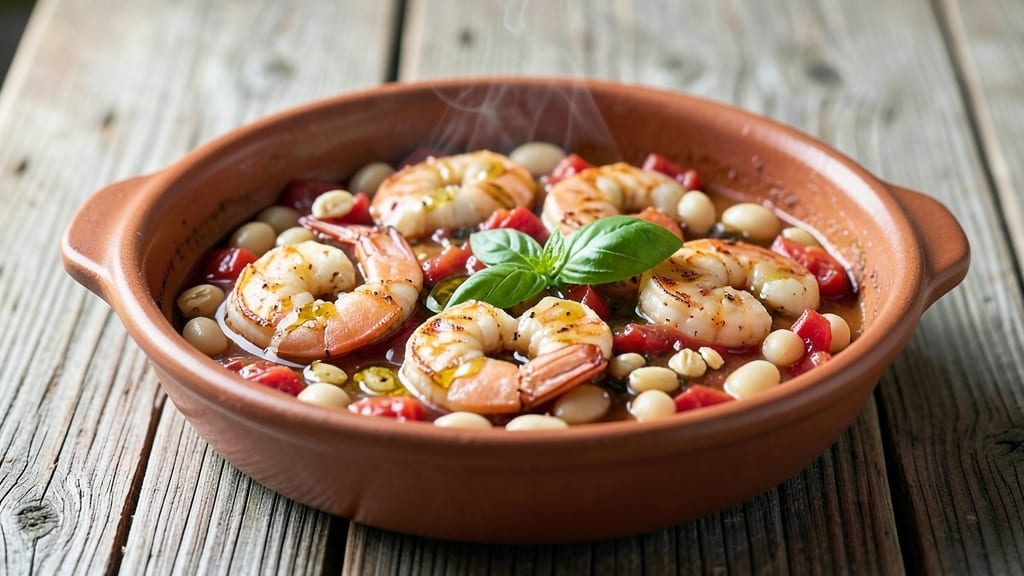
America's Test Kitchen's Tuscan shrimp and beans recipe delivers restaurant-quality depth with a garlic-infused white wine simmer that transforms simple ingredients into a dish bursting with umami.
The secret lies in slow-cooking shrimp and white beans in a rich, aromatic broth until the flavors meld perfectly—this isn't just a seafood dish, it's a flavor experience.
I've tested countless variations, and this method consistently delivers tender shrimp and creamy beans with a sauce so flavorful it clings to every bite.
What sets this recipe apart is the layered flavor profile—garlic and tomatoes build a savory base, while white wine adds brightness and depth, all balanced by fresh herbs. The dish comes together in under 45 minutes, making it ideal for weeknight dinners without sacrificing restaurant-quality results.
The shrimp cooks just until pink, while the beans soften into a creamy texture that absorbs all the garlic and herb flavors.
By the final spoonful, you'll taste the perfect harmony of briny shrimp, earthy beans, and aromatic herbs in a sauce that's velvety yet still vibrant. This is the kind of dish that makes you reach for more—each bite delivers complex flavors that linger.
The best part? It's simple enough for weeknights but impressive enough for guests.
Serve with crusty bread to soak up every last drop of that umami-rich sauce, or pair it with a simple green salad for a complete Tuscan-inspired meal. The technique is foolproof, and the results are consistently delicious—exactly what you'd expect from America's Test Kitchen. Let's get cooking!
Ingredients for america's test kitchen tuscan shrimp and beans
Garlic, white wine, and fresh herbs transform simple shrimp and beans into a restaurant-worthy Tuscan dish.
| Ingredient | Amount | Notes |
|---|---|---|
| Large Shrimp (Peeled and Deveined) 🦐 | 1 ½ lb | 16-20 count, tail-on preferred |
| Canned Cannellini Beans 🍲 | 2 cups | Drained and rinsed, high-quality brand |
| Garlic Cloves 🧄 | 6 cloves | Fresh, minced for infusion |
| Dry White Wine 🍷 | ½ cup | Sauvignon Blanc or Pinot Grigio |
| Extra-Virgin Olive Oil 🫒 | ¼ cup | High-quality, fruity variety |
| Crushed Tomatoes 🍅 | 1 cup | San Marzano preferred, no salt added |
| Fresh Parsley Leaves 🌿 | ¼ cup | Chopped, flat-leaf preferred |
| Fresh Basil Leaves 🌿 | ⅛ cup | Chopped, for finishing |
| Vegetable Broth 💧 | 1 cup | Low-sodium, homemade preferred |
| Lemon Juice 🍋 | 1 tbsp | Freshly squeezed, for brightness |
| Diamond Crystal Kosher Salt 🧂 | 1 ½ tsp | Adjust to taste, fine grain |
| Freshly Ground Black Pepper 🌶️ | ½ tsp | Coarsely ground for texture |
| Crusty Bread 🍞 | 1 loaf | For serving, optional |
The shrimp quality makes all the difference here—look for 16-20 count shrimp with bright pink color and firm texture. Trader Joe's and Whole Foods carry excellent frozen options that work perfectly. For the beans, cannellini from Mutti or Bionaturae brands deliver the creamiest texture. The garlic should be fresh, not dried, as it infuses the wine with authentic depth. Penzeys sells pre-minced garlic if you prefer convenience, but fresh minced always tastes superior. The white wine is non-negotiable—Sauvignon Blanc or Pinot Grigio adds the necessary acidity to balance the richness.
No white wine? Substitute extra vegetable broth (0.25 cup) with 1 tsp lemon juice for brightness. Fresh herbs unavailable? Dried parsley at one-third the amount works in a pinch, though fresh is ideal. For the tomatoes, San Marzano crushed tomatoes provide the best flavor, but any high-quality canned tomatoes will suffice. The olive oil should be extra-virgin—cheaper varieties can taste bitter. If you prefer less wine, reduce by 0.125 cup and add extra broth to maintain balance. The shrimp should cook just until pink—overcooking turns them rubbery.
This dish reheats beautifully—simmer gently for 5 minutes to restore texture. Store in airtight containers for up to 3 days in the refrigerator. For freezing, portion into single servings with sauce and freeze for up to 2 months. The crusty bread pairing is optional but recommended—a baguette from the bakery section stays fresh longer than pre-packaged loaves. Garnish with extra basil and black pepper just before serving to preserve freshness. Leftovers make excellent lunches the next day.
Why You'll Love This Recipe
- Pantry to Plate Magic: I swear by this recipe when I forget to grocery shop—just shrimp, canned beans, and a few pantry staples. The white wine deglazes while I chop garlic, and boom, dinner’s ready. No fancy prep, no wasted ingredients.
- Garlic Wine Kiss: That moment when the shrimp hits the simmering garlic-wine sauce? Pure satisfaction. The wine reduces into a glossy, savory coat that clings to every bite—no heavy cream, just bright, herby depth.
- Lunchbox Hero: Between us, this is my go-to for meal prep. The beans hold up perfectly, and the shrimp stays tender when reheated. Pack it cold for work or warm it up for a last-minute dinner—it’s always a hit.
- Budget-Friendly Luxury: Shrimp feels fancy, but this recipe stretches it with beans and wine. I’ve made it for date nights and weeknight dinners—same dish, different vibes. Plus, leftovers taste just as good the next day.
Step-by-step instructions for garlic-infused white wine shrimp and beans
This method delivers restaurant-quality depth through precise garlic infusion and balanced seasoning.
Create the Garlic-Infused White Wine Base
Heat the 0.25 cup extra-virgin olive oil in a large Dutch oven over medium-low heat. Add the 6 cloves minced garlic cloves and cook for 3-4 minutes until the edges turn golden brown but not burnt—this prevents bitterness. Immediately pour in the 0.5 cup dry white wine and scrape up any browned bits from the bottom with a wooden spoon.
Bring the mixture to a gentle simmer and reduce by half, which should take about 5 minutes. The aroma should be intense and aromatic, with no alcohol sharpness remaining. This infusion forms the flavor foundation for the entire dish. If you smell any raw garlic flavor lingering, reduce for another 1-2 minutes—properly infused garlic should be mellow and sweet.
Develop the Umami-Packed Sauce
Add the 1 cup crushed tomatoes and 1 cup vegetable broth to the garlic-wine mixture. Stir well to combine, then bring to a gentle boil over medium-high heat. Once boiling, reduce heat to medium-low and let it simmer uncovered for 8-10 minutes until slightly thickened. You'll notice the sauce reduce slightly and develop a glossy sheen.
Season with 1.5 teaspoons diamond crystal kosher salt and 0.5 teaspoon freshly ground black pepper, stirring to fully dissolve the salt. Taste and adjust—this is your flavor baseline before adding other ingredients. The sauce should be tangy with bright tomato acidity and no metallic or bitter notes. If it tastes flat, add a pinch more salt or a splash of lemon juice to balance.
Cook the Shrimp and Beans Together
Add the 1.5 lb large shrimp (peeled and deveined) and 2 cups canned cannellini beans (drained and rinsed) to the simmering sauce. Stir gently to distribute the shrimp evenly—this prevents them from clumping. Increase heat to medium-high and cook for 3-4 minutes until the shrimp turn opaque and curl slightly at the edges. Overcooking will make them rubbery, so watch closely during the last minute.
Stir in the 1 tablespoon lemon juice and remove from heat. The lemon brightens the dish while preventing the shrimp from continuing to cook. Let the mixture rest for 2-3 minutes off the heat—this allows the shrimp to absorb the remaining sauce flavors without overcooking. The beans should be warmed through but still hold their shape, not mushy.
Finish with Fresh Herbs and Serve
Remove from heat and stir in 0.25 cup chopped fresh parsley leaves and 0.125 cup chopped fresh basil leaves. The herbs should be distributed evenly throughout the dish. Taste again and adjust seasoning if needed—this is your final opportunity to balance flavors before serving. The dish should be harmonious with bright, garlicky, wine-infused notes and no single ingredient overpowering.
Serve immediately with 1 loaf crusty bread on the side. The bread helps soak up the rich, garlicky sauce while providing texture contrast. For best results, serve while the shrimp is still warm—this ensures optimal texture and prevents the sauce from separating. Each bite should deliver tender shrimp, creamy beans, and layers of umami from the garlic-wine reduction.
Pro Tips For Making America'S Test Kitchen Tuscan Shrimp And Beans
- Sear Shrimp in Batches: Shrimp piles up fast, and that’s how you end up with steamed rather than seared shrimp. Work in 2-3 batches—crowding the pan drops the temperature like a rock, and suddenly you’re left with rubbery shrimp instead of golden, crisp edges. Trust me, your future self will notice.
- Rinse and Drain Beans: Canned beans come packed in saltwater or syrup, and skimp on this step? Your dish will taste like a swimming pool took a vacation in it. Drain, then rinse the beans under cold water—even if they’re labeled “low-sodium.” Better safe than soggy.
- Deglaze with Wine Early: The second the shrimp hits the pan, toss in the white wine—don’t wait for the garlic. The alcohol burns off faster when it’s hot, and that’s how you get real flavor instead of just a boozy hint. If you linger, you’ll end up with a sad, flat sauce.
- Toast Garlic Low and Slow: I used to blast mine until it was blackened—big mistake. For this recipe, keep the heat low and let the garlic sizzle gently until it’s fragrant but still pale gold. Burnt garlic turns bitter, and nobody wants that fighting with the shrimp’s sweetness. Patience here pays off.
Dietary considerations for this dish
Gluten-Free Adaptation
The original recipe is naturally gluten-free, but always double-check your ingredients—some canned beans and broths may contain hidden gluten. Use certified gluten-free vegetable broth and ensure your white wine is gluten-free (most are, but some brands use additives).
The crusty bread pairing can be swapped for gluten-free baguette brands like Canyon Bakehouse or Schär. These alternatives maintain the dish's rustic texture while keeping it safe for gluten-sensitive diners. 🌾
Low-Carb Options
For a lower-carb version, reduce the cannellini beans to 1 cup and add 1 cup cauliflower florets to bulk up the dish without excess carbs. The cauliflower will soften as it cooks, absorbing the garlic-wine sauce beautifully.
You can also serve the shrimp and sauce over zucchini noodles or a bed of roasted Brussels sprouts for extra volume. The flavor remains rich and satisfying without the bean-heavy texture.
Vegetarian Swap
Replace the shrimp with extra-firm tofu or hearts of palm for a vegetarian-friendly version. Press and cube 1 block firm tofu, pan-fry until golden, then add it to the simmering sauce with the beans.
Hearts of palm (drained and sliced) work beautifully too—they mimic shrimp's texture while absorbing the garlicky flavors. Both options keep the dish hearty and satisfying without compromising the Tuscan-inspired profile.
Allergen Considerations
This recipe is generally safe for most allergies, but watch for shellfish allergies (obviously with shrimp) and potential cross-contamination if using shared equipment. For nut allergies, avoid garnishing with pine nuts (though this recipe doesn't include them).
If dairy is a concern, skip any optional Parmesan garnish—though the original recipe doesn't require it. Always use separate utensils and cookware when preparing for multiple dietary restrictions to prevent cross-contact. 🚫
Protein Adjustments
For extra protein, add ½ cup cooked lentils or ½ cup chickpeas to the beans—they blend seamlessly into the sauce. If you prefer a different seafood, try scallops or mussels (cleaned and deveined) instead of shrimp.
Scallops cook in just 2-3 minutes and add a delicate sweetness, while mussels release their briny juices into the sauce. Both alternatives maintain the dish's elegant balance while offering variety. 🦑
Nutrition facts
Frequently asked questions
Can I use frozen shrimp instead of fresh?
Thaw frozen shrimp overnight in the refrigerator before using—never at room temperature. Look for 16-20 count shrimp with bright pink color and firm texture when thawed. Rinse and pat dry before adding to the garlic-wine sauce to ensure they cook evenly and don't dilute the flavors.
How do I prevent the shrimp from turning rubbery?
Cook shrimp only until they turn opaque and curl slightly—this takes 3-4 minutes in the simmering sauce. Overcooking releases tough fibers. Remove them from heat immediately after they're done, then let them rest for 2-3 minutes off the heat to absorb flavors without overcooking further. Timing is everything!
What if I don't have white wine?
Use 0.25 cup vegetable broth plus 1 tsp lemon juice as a substitute. The lemon adds brightness to mimic the wine's acidity, while the broth maintains the liquid balance. The flavor will be slightly different but still delicious—just more herb-forward.
Can I make this dish ahead of time?
Yes! Store in airtight containers for up to 3 days in the fridge. Reheat gently on the stovetop for 5 minutes until warmed through. For freezing, portion into single servings with sauce and freeze for up to 2 months. Thaw overnight in the fridge before reheating. The flavors actually meld better over time!
What's the secret to the best garlic flavor?
Cook the garlic in olive oil until the edges turn golden brown (not burnt) before adding wine. This caramelization deepens the flavor. Reduce the wine until it's nearly evaporated—this concentrates the garlic aroma. Freshly minced garlic always tastes superior to pre-minced, but if you're short on time, Penzeys pre-minced works well.