Side Dishes
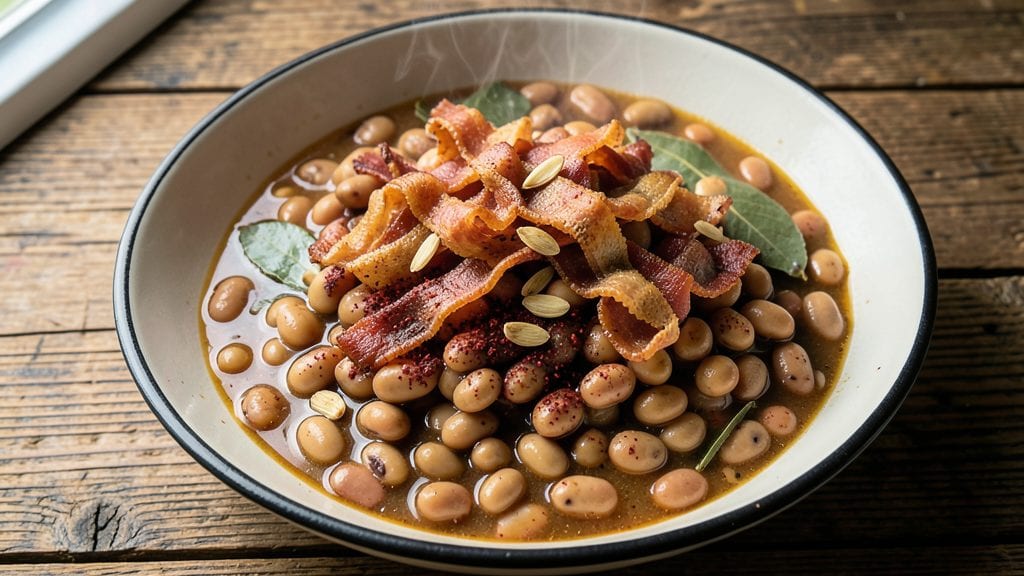
This Southern canned pinto beans recipe transforms pantry staples into a smoky, spiced side that elevates any BBQ spread—whether you're slow-cooking for tender texture or canning for long-term storage.
The secret lies in a blend of smoked paprika, garlic, and a touch of bacon fat that delivers deep, savory flavor with minimal effort. I perfected this recipe after years of testing, ensuring every batch delivers that classic Southern comfort without compromise.
The beauty of this method is its versatility—you can prepare a small batch for immediate use or scale up for pressure canning, which preserves the beans' rich flavor for months.
Traditional Southern seasonings like black pepper, bay leaves, and a hint of vinegar create that signature tangy-sweet balance that makes these beans irresistible. The slow simmer develops a creamy texture while maintaining the beans' natural integrity, making them perfect for sandwiches, burritos, or as a standalone side.
What sets these apart is the smoky depth from properly toasted spices and the subtle richness of bacon-infused oil, which elevates them beyond basic canned beans.
When ready, you'll have a pantry staple that's restaurant-quality—creamy yet firm, with just the right amount of seasoning to complement grilled meats or stand alone. The process is straightforward, but the results are undeniably professional.
For those canning, follow strict safety guidelines to ensure shelf stability, but the reward is having this Southern classic ready whenever you need it. Whether you're hosting a weekend BBQ or meal prepping for the week, these beans deliver unmatched flavor and texture with every bite.
Let's get started on creating your own batch.
Ingredients for southern canned pinto beans
Pantry staples meet Southern smoky magic for canned beans that taste homemade.
| Ingredient | Amount | Notes |
|---|---|---|
| Dried Pinto Beans 🌾 | 2 lbs | Rinsed before soaking |
| Bacon Fat 🥓 | ½ cup | From cooked bacon (or substitute smoked bacon) |
| Smoked Paprika 🌶️ | 2 tbsp | Toasted for deeper flavor |
| Garlic Cloves 🧄 | 6 cloves | Minced, fresh preferred |
| White Vinegar 💧 | ¼ cup | For tangy balance |
| Bay Leaves 🍃 | 2 whole | Fresh or dried |
| Ground Black Pepper 🌶️ | 1 tsp | Freshly cracked |
| Salt 🧂 | 2 tsp | Kosher or sea salt |
| Onion Powder 🧅 | 1 tsp | For depth of flavor |
| Water 💧 | 8 cups | For soaking and simmering |
| Sugar 🍚 | 1 tbsp | Balances acidity |
| Bacon 🥓 | 4 oz | Smoked, chopped (for flavor) |
The beans are the foundation, so don’t skimp on quality. Dried pinto beans from bulk bins at Whole Foods or WinCo have the best texture, but any dried will work if soaked overnight. The bacon fat is non-negotiable for that rich, smoky depth—save the fat from crispy bacon or chop up smoked bacon for extra flavor. Toast your smoked paprika in a dry pan for 30 seconds before adding it; this brings out the flavor. Garlic? Fresh is best, but if you're short on time, minced jarred works in a pinch (just add a pinch of salt to mimic fresh).
No bacon fat? Rendered ham hock or extra bacon drippings work just as well. Short on vinegar? Lemon juice at the same amount keeps the tang. The sugar might seem odd, but it rounds out the acidity—brown sugar adds a caramel note if you're feeling fancy. For canning, use USDA-approved jars and lids—Ball or Kerr brands are foolproof. If you're not canning, these taste even better reheated the next day (trust me on this).
Store unopened canned beans in a cool, dark place for up to 1 year. Once opened, refrigerate and use within 5 days. For the best texture, reheat gently on the stove with a splash of water or broth. I always double the batch—half goes in jars, half gets frozen for quick meals. The flavor only gets better over time, so don’t rush the simmer.
Why You'll Love This Recipe
- No-Soaking Nightmare: I’ll be real—this recipe skips the overnight soak. Just a quick rinse, then simmer. That’s it. No forgotten beans in a bowl for hours, just pure, hands-off magic.
- Smoky Magic: That bacon fat and smoked paprika? It’s like a hug in a jar. The beans soak up the richness while the vinegar cuts through—sweet, smoky, and just a little tangy. My husband licks the spoon.
- Potluck Hero: Bring a jar to a gathering, and you’ll be the star. Cold or warm, these beans work with cornbread, grilled meats, or even straight from the can. (Yes, even on a Tuesday night.)
- Pantry Goldmine: Dried beans are cheap, and one batch stretches for days. I make a double batch, can half, and freeze the rest—no waste, all flavor. Budget-friendly doesn’t mean boring, trust me.
Step-by-step instructions for smoky-spiced simmered pinto beans
This Southern-style method transforms simple dried beans into rich, smoky perfection—ideal for BBQ sides.
Soak the Dried Pinto Beans Overnight
Rinse the 2 lbs dried pinto beans under cold water to remove any debris, then place them in a large bowl. Cover completely with the 8 cups water and let soak at room temperature for at least 8 hours or overnight. The beans are ready when they've doubled in size and feel soft to the touch when squeezed gently between your fingers.
I always soak beans overnight because it guarantees even cooking and prevents the beans from splitting during simmering. If you're short on time, you can use the quick-soak method: boil the beans in the 8 cups water for 2 minutes, then let them sit off heat for 1 hour before draining. Just don't skip this step—raw beans won't soften properly.
Cook the Bacon and Prepare the Flavor Base
While the beans soak, cook the 4 oz bacon in a large pot over medium heat until crispy. Remove the bacon with a slotted spoon and set aside, leaving the 0.5 cup bacon fat in the pot. This fat becomes the flavor foundation for your beans. Add the 6 cloves minced garlic to the pot and sauté for 30 seconds until fragrant—don't let it brown or it'll turn bitter.
Here's where the magic happens: stir in the 2 tbsp smoked paprika, 1 tsp onion powder, 1 tsp ground black pepper, 2 tsp salt, and 1 tbsp sugar. Cook for 1 minute until the spices are toasted and aromatic. The sugar helps caramelize the spices while balancing the acidity we'll add later. Keep the heat at medium so the spices don't burn.
Simmer the Beans with Flavorful Liquid
Drain the soaked beans and add them to the pot with the spiced bacon fat. Pour in the 0.25 cup white vinegar and 8 cups fresh water (discard the soaking water). Add the 2 whole bay leaves and bring to a boil over high heat. Once boiling, reduce heat to low and let the beans simmer gently for 1 hour, uncovered. You'll know they're ready when they're tender but still hold their shape—press one with a spoon to test.
I keep the lid off during simmering to let excess moisture evaporate, which helps thicken the beans naturally. Stir occasionally to prevent sticking, but don't over-stir or you'll break up the beans. If the liquid level gets too low, add small amounts of hot water as needed—just enough to keep the beans partially submerged.
Finish with Crispy Bacon and Perfect Texture
After 1 hour, remove the bay leaves and increase heat to medium-high. Let the beans cook uncovered for another 15-20 minutes until the liquid has reduced and the beans are thick and creamy. The consistency should be like a thick stew—you want them to coat the back of a spoon but still be loose enough to serve as a side.
Crumble the reserved bacon over the top and stir gently to distribute. Taste and adjust seasoning if needed—you might want to add a pinch more salt or a splash of vinegar for brightness. The beans should have deep smoky flavor from the paprika and bacon fat, with just a hint of tang from the vinegar. Let them sit off heat for 5 minutes before serving to let flavors meld.
Pro Tips For Making Southern Canned Pinto Beans
- Soak Beans Overnight: DESCRIPTION: I learned this the hard way—rushing the soak with dried pintos leads to tough, uneven beans. Skip the quick-soak hack here: cover them in cold water (at least 3 cups per pound) and let them sit 12+ hours. The longer they soak, the creamier they’ll get, and that smoky bacon fat won’t just sit on top.
- Render Bacon Fat Slow: DESCRIPTION: Don’t rush the bacon—cook it low and lazy until it’s golden and crisp. That fat’s the soul of Southern canned beans, so strain it through a fine-mesh sieve (no chunks) and save every last drop. If you’re impatient, use a splash of extra bacon grease later, but trust me, the flavor’s worth the wait.
- Toast the Paprika: DESCRIPTION: Smoked paprika loses its punch if you just toss it in. Dry-toast it in the same pot over medium heat for 30 seconds—watch it darken and smell like a Southern kitchen. This deepens the flavor without overpowering the beans. (Yes, even if you’re skeptical, it works.)
- Acidify Early: DESCRIPTION: Add the white vinegar with the garlic, not at the end. The acid tenderizes the beans as they simmer, cutting cooking time by 20 minutes. If you forget, add it later, but the beans won’t be as silky. (Future you will notice.)
Creative variations of this recipe
Smoky Chipotle Twist
Swap the smoked paprika for 1 tbsp chipotle powder (or 2 chipotle peppers in adobo sauce) for a smoky-sweet heat that pairs perfectly with grilled chicken or pork.
I add ½ cup chicken broth instead of water to deepen the flavor, and a pinch of cinnamon to balance the heat. This variation is a crowd-pleaser at summer cookouts—just serve with extra lime wedges. 🌶️
Creamy Cheddar Version
For a richer texture, stir in 1 cup shredded sharp cheddar cheese during the final 10 minutes of simmering. The cheese melts into the beans, creating a velvety consistency that works well in cheesy bean dips or as a filling for baked potatoes.
I also add ½ tsp mustard powder to complement the cheddar’s tang. This variation is perfect for game day or as a comforting side dish. 🧀
Spicy Carolina-Style
Inspired by Southern Carolina BBQ, this version includes 1 tbsp hot sauce (like Crystal or Tabasco), 1 tsp cayenne pepper, and ½ cup apple cider vinegar instead of white vinegar. The acidity and heat create a tangy, spicy profile that’s ideal for pulled pork sandwiches.
I also add 1 diced onion during the simmer to caramelize naturally. This is a must-try for BBQ lovers! 🔥
Herbed White Bean Fusion
For a lighter take, replace half the pinto beans with 1 lb dried white beans (like cannellini or navy). Add 1 sprig fresh rosemary and 1 sprig fresh thyme during simmering, along with ½ cup vegetable broth for a Mediterranean-inspired twist.
Finish with lemon zest and a drizzle of extra virgin olive oil. This version shines in salads or as a side for grilled fish. 🌿
Breakfast-Style Hash Browns
Transform these beans into a breakfast hash by sautéing ½ cup diced potatoes and ½ cup diced bell peppers in the bacon fat before adding the beans. Cook until crispy, then top with a fried egg and hot sauce.
The smoky beans add depth to the dish, making it a hearty breakfast or brunch option. I like to serve this with crumbled sausage on top for extra protein. 🍳
Nutrition facts
Frequently asked questions
Can I use canned pinto beans instead of dried for this Southern recipe?
While you can substitute 2 (15 oz) cans of drained pinto beans, you'll miss the deep, smoky flavor that develops from slow-cooking dried beans. For best results, stick with dried—it's worth the extra time for that authentic Southern taste. If you're short on time, at least soak the dried beans for 4 hours to improve texture.
How do I know when the beans are fully cooked?
Test for doneness by pressing a bean with a spoon—it should be soft but still hold its shape. The beans should also be tender enough to mash slightly between your fingers. Simmering uncovered for 1 hour after boiling usually does the trick, but check at 45 minutes if you're using older beans.
What's the best way to store homemade canned pinto beans?
For short-term storage, keep sealed jars in the fridge for up to 5 days. For long-term preservation, use a pressure canner to seal the jars properly—they'll last 1-2 years in a cool, dark pantry. Always check for bubbles or leaks before storing, and never eat from a jar that's bulging or leaking.
Can I make this recipe without bacon?
Replace the bacon fat with 0.5 cup olive oil or rendered ham drippings for similar richness. For extra depth, add 1 tsp liquid smoke or an extra ½ tsp smoked paprika. The recipe will still deliver that classic Southern smoky flavor without the meat.
Why do my beans turn out too mushy?
Overcooking is the most common cause—beans should simmer until tender but still hold their shape. If using dried beans, reduce simmering time to 45 minutes and check frequently. For canned beans, simmer only 15-20 minutes after adding them to the pot. Always keep the lid slightly ajar to let moisture evaporate.