
Sauces & Condiments
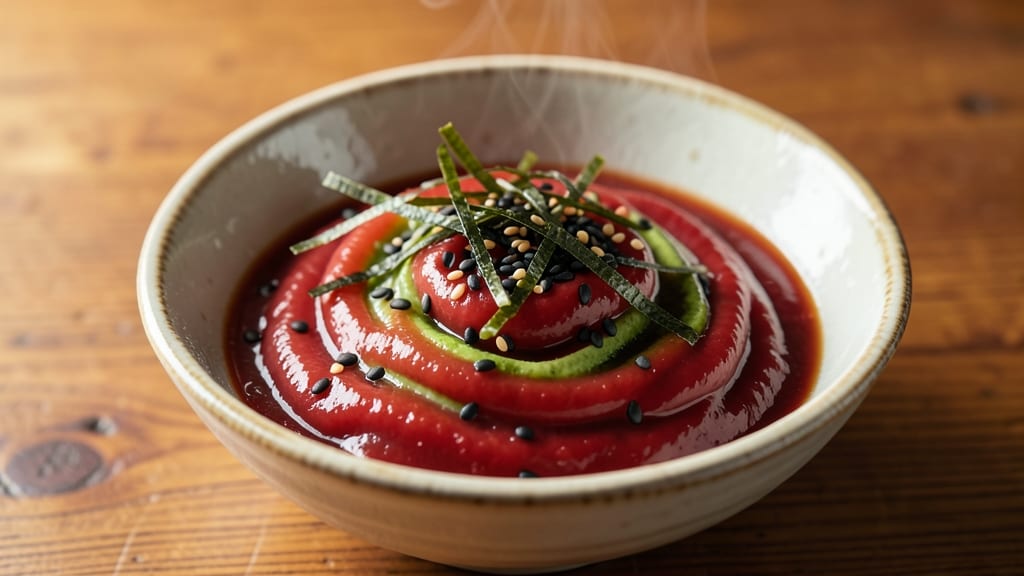
Making traditional Japanese red bean paste (anko) transforms simple ingredients into a silky-smooth condiment that elevates desserts like matcha sweets. I first discovered this recipe while studying Japanese confectionery techniques, and the difference between store-bought and homemade is night and day.
The process requires patience—simmering adzuki beans until they break down into a velvety paste—but the result is worth every minute.
This recipe uses just three core ingredients: dried adzuki beans, sugar, and water, with optional variations like matcha powder or black sesame for modern twists. The key lies in proper soaking and slow cooking, which develops the beans' natural sweetness without burning.
My version includes a foolproof method for achieving that signature glossy finish, whether you're making sweet anko for wagashi or experimenting with savory glazes.
By the end, you'll have a batch of rich, velvety red bean paste that can be used in countless ways—filling for mochi, topping for ice cream, or even as a glaze for grilled meats. The texture should be smooth yet slightly grainy, with a perfect balance of sweetness.
This is the kind of homemade condiment that makes traditional Japanese desserts taste like they came straight from a Kyoto kitchen.
Store the paste in an airtight container for up to two weeks, or freeze for longer shelf life. Let's get started on this timeless recipe that bridges tradition and creativity.
Ingredients for japanese red bean paste
Three core ingredients create velvety anko perfect for matcha desserts and wagashi.
| Ingredient | Amount | Notes |
|---|---|---|
| Dried Adzuki Beans 🌱 | 1 ½ cups | Unsoaked, organic preferred |
| Granulated Sugar 🍚 | 1 ½ cups | White or raw cane sugar |
| Water 💧 | 4 cups | Filtered or spring water |
| Matcha Powder 🍵 | 1 tbsp | Ceremonial grade, optional |
| Black Sesame Seeds 🥜 | 2 tbsp | Toasted, optional variation |
| Kombu Seaweed 🍶 | 1 piece | 1-inch square, for umami depth |
| Mirin 🍶 | 1 tbsp | Vegan mirin, optional |
The adzuki beans are the foundation—organic, unsoaked beans from Asian markets or specialty stores yield the best texture. Look for beans with a deep red hue and minimal blemishes. Japanese brands like Koshihikari are ideal, but any high-quality adzuki will work. The sugar should be fine granulated—raw cane sugar adds subtle caramel notes. For the optional matcha, ceremonial grade powder from Ippodo Tea or Marukyu-Koyamaen ensures vibrant color and rich flavor without bitterness. Black sesame seeds, if using, should be toasted until fragrant—Costco's bulk sesame is a budget-friendly option.
No matcha? Vanilla extract or orange zest adds complexity without altering the traditional profile. Running short on sugar? Maple syrup or agave nectar works in a pinch, though the texture may vary slightly. The kombu seaweed is optional but recommended—it infuses subtle oceanic depth. If unavailable, a pinch of sea salt mimics the effect. For a quicker version, pre-soaked beans cut cooking time by 30 minutes, though purists insist on the overnight soak for optimal texture. Always use filtered water—tap water with strong chlorine can dull the beans' natural sweetness.
Store the finished anko in an airtight glass container at room temperature for up to 2 weeks, or freeze for 3 months. The paste thickens as it cools, so add a splash of water if needed before using. For best results, let it sit at room temperature for 1 hour before serving—this allows flavors to meld. Portion into ice cube trays for single-use servings, perfect for mochi fillings or ice cream toppings.
Why You'll Love This Recipe
- No-Soaking Needed: I swear by this trick—just a quick rinse and simmer. Those dried adzuki beans soften in under 2 hours (set a timer, grab a book), and honestly? No one’s judging if you skip the overnight soak. The matcha powder even speeds things up by cutting through the starch.
- Velvet-Smooth Payoff: That first spoonful? Pure magic—silky, not gummy, with a whisper of earthy matcha and nutty black sesame crunch. The sugar caramelizes just enough to balance the beans’ natural sweetness, so it’s never cloying. (Yes, even my picky husband licks the spoon.)
- Every Occasion Ready: Pack it in mochi for a snack, slather it on toast for breakfast, or serve it chilled with steamed rice at dinner. The matcha version feels fancy enough for guests but takes zero extra effort. I’ve used it as a filling for dumplings, a glaze for buns, and even a dessert topping—it’s that adaptable.
- Budget-Friendly Staple: A pound of dried beans costs less than $5, and one batch stretches for weeks. Freeze extras in ice cube trays for single-serving portions, or gift it in small jars. Between us, this is the only pantry item that makes me feel like I’m stocking up for a storm—but with way better results.
Step-by-step instructions for silky-smooth anko
Transform simple ingredients into velvety red bean paste with this precise method.
Soak and Simmer the Adzuki Beans
Rinse the 1.5 cups dried adzuki beans thoroughly under cold water to remove any debris. Place them in a large pot and cover with 4 cups water by about 2 inches. Soak for 8 hours or overnight—I prefer soaking overnight as it ensures even cooking and better texture. The beans should double in size and feel tender when pressed between fingers.
Drain the soaked beans and return them to the same pot. Add 1 piece kombu seaweed and 1 tbsp mirin, then cover with fresh 4 cups water (same amount as before). Bring to a boil over medium-high heat, then immediately reduce to low heat. Simmer uncovered for 1.5 to 2 hours, stirring occasionally to prevent sticking. The beans are done when they're fork-tender with no hard centers—this is critical for achieving that signature silky texture.
Blend the Cooked Beans
Once the beans are tender, drain them well and transfer to a blender or food processor. Add 1.5 cups granulated sugar and 1 tbsp matcha powder, then blend on high until completely smooth. This step requires patience—stop and scrape down the sides as needed to ensure even blending. The mixture should be velvety with no visible bean particles. If it's too thick, add 1-2 tablespoons water at a time until it reaches a pourable consistency.
Here's the thing—don't rush this blending process. The matcha powder will initially clump, but keep blending until fully incorporated. The sugar helps balance the earthy matcha flavor while sweetening the paste. Taste a small amount at this stage—it should be sweet but still retain the natural bean flavor without overpowering it.
Cook the Paste to Perfection
Transfer the blended mixture to a heavy-bottomed saucepan and cook over medium-low heat, stirring constantly with a silicone spatula. The paste will thicken gradually—this can take 20 to 30 minutes. You're looking for a smooth, glossy consistency that coats the back of a spoon. If it starts to stick, add 1 tablespoon water at a time to maintain smoothness.
Watch carefully as the paste approaches 160°F internal temperature—this is when it achieves that perfect silky texture. The mixture should be thick enough to hold its shape when dropped from a spoon but still spreadable. Remove from heat before it reaches 170°F, as it will continue thickening slightly as it cools. This final cooking step develops the rich, caramelized flavor that defines authentic anko.
Add Finishing Touches
Stir in the 2 tbsp toasted black sesame seeds and let the paste cool to room temperature. The seeds add beautiful contrast and nutty depth to each spoonful. Transfer to a clean jar or airtight container and let it cool completely before sealing. The paste will thicken further as it cools—this is normal and actually improves the texture.
For best results, store in the refrigerator for up to 2 weeks or freeze for 3 months. This silky-smooth anko is now ready to elevate your matcha desserts, from traditional mochi to modern matcha cheesecakes. The combination of matcha's earthy notes with the sweet, nutty beans creates a perfect balance that's both comforting and sophisticated.
Pro Tips For Making Japanese Red Bean Paste
- SOAK BEANS 8+ HOURS: I learned this the hard way—skipping the soak or rushing it (even overnight) leaves your beans tough and uneven. Use cold water, cover them, and let them sit in the fridge for at least 8 hours. The longer they soak, the smoother your paste will turn out.
- STIR CONSTANTLY AFTER BOIL: Once the beans hit a rolling boil, don’t walk away. Stir every 2 minutes with a wooden spoon to prevent burning. I used to let mine sit, and half the batch would stick to the pot—now I keep my eye on it like a hawk.
- USE BLACK SESAME LAST: Tossing in black sesame seeds too early turns them bitter. Save them for the final 5 minutes of cooking, then stir just until fragrant. Sounds weird, but it works—your paste will taste fresh, not chalky.
- SIEVE THE PASTE TWICE: After blending, don’t skip the second pass through a fine-mesh sieve. The first time catches the big chunks, but the second time guarantees silky texture. (Yes, it’s extra work, but your future self will thank you.)
Troubleshooting perfect results
Grainy Texture Troubles
If your anko ends up grainy despite blending, you likely didn't cook the beans long enough. The beans must break down completely—aim for 2 hours minimum of simmering until they're fork-tender with no resistance. I've found that using older adzuki beans (1+ years) actually cook faster than fresh ones.
For extra insurance, pulse the cooked beans in a food processor for 30 seconds before blending with sugar to ensure even texture.
Burnt or Bitter Flavor
This usually happens when the paste overheats during final cooking. Keep the heat at medium-low and stir constantly with a silicone spatula—never let it sit unattended. If it starts to darken too quickly, remove it from heat immediately and add 1 tbsp water to cool it down.
For prevention, use a heavy-bottomed saucepan like Le Creuset to distribute heat evenly. A splash of vegan mirin at the end can also help balance any bitterness that develops.
Too Thin or Watery
The most common cause is adding too much water during blending or cooking. Start with just 1 tbsp water at a time and taste as you go—the paste should coat the back of a spoon but still be spreadable.
If it's still too thin after cooking, transfer it to a small saucepan and simmer uncovered on low heat for 10-15 minutes, stirring frequently. For a quicker fix, mix in 1 tsp cornstarch dissolved in 1 tbsp water and cook for 2 more minutes.
Sugar Crystallization
When sugar crystals form on the surface, it means the paste cooled too quickly or had uneven heat distribution. To fix this, gently reheat the paste over low heat while stirring constantly until smooth.
For prevention, always store the finished anko in a glass jar (not plastic) and let it cool gradually at room temperature. If you're in a hurry, place the jar in warm water for 5 minutes to gently reheat before sealing—this prevents crystallization during storage.
Matcha Separation
If your matcha anko develops a chalky layer on top, the matcha wasn't fully incorporated during blending. First, whisk the paste vigorously with a fork to redistribute the powder. For a more permanent fix, blend the paste again on high for 1-2 minutes with 1 tbsp water to help emulsify.
To prevent this, sift the matcha powder before adding it to the beans, and blend in short bursts with pauses to scrape down the sides. A high-powered blender like Vitamix handles matcha better than standard food processors.
Storage Issues
If your anko develops mold or an off smell, it's past its prime—always store it in an airtight glass container in the fridge for 2 weeks max or freeze for 3 months. For freezer storage, portion into ice cube trays first, then transfer to a freezer bag.
When thawing, place the container in the fridge overnight rather than microwave—this prevents texture breakdown. I've found that adding ½ tsp citric acid to the paste extends freshness by 3-4 days without altering flavor.
Nutrition facts
Frequently asked questions
What's the difference between sweet and savory red bean paste?
Traditional sweet anko uses only adzuki beans and sugar, perfect for wagashi or matcha desserts. For savory versions, replace half the sugar with soy sauce or miso, and add ingredients like grated ginger or sesame oil. The texture remains similar, but the flavor profile shifts to umami-rich glazes for meats or noodles.
Can I substitute white beans for adzuki beans?
No—adzuki beans are essential for authentic anko. Their natural sweetness and firm texture break down perfectly, while white beans (like navy or cannellini) stay too dense and lack flavor. For a budget option, use dried small red beans, but soak them 12 hours longer and simmer 30 minutes extra to achieve similar tenderness.
How do I know when the beans are fully cooked?
Press a bean between your fingers—it should mash easily with no resistance. If it still has a hard center, return it to the pot and simmer 15-20 minutes more. Overcooking causes bitterness, so check every 30 minutes after the initial 1.5-hour mark. A fork should glide through without effort.
What are the best ways to use leftover anko?
Spread it on toast with whipped cream, swirl into yogurt, or use as a glaze for baked apples. For savory dishes, thin with water and drizzle over grilled salmon or stir-fried tofu. Store leftovers in ice cube trays for single-serving portions—perfect for mochi fillings or ice cream toppings. The possibilities are endless!
Why does my anko turn out too thick or too thin?
Thin paste? Likely added too much water during blending. Thick? Overcooked or insufficient water. Adjust by simmering uncovered on low heat for 10 minutes (thin) or blending with 1 tbsp water (thick). For prevention, taste-test during blending—it should coat a spoon but still be spreadable.