Sauces & Condiments
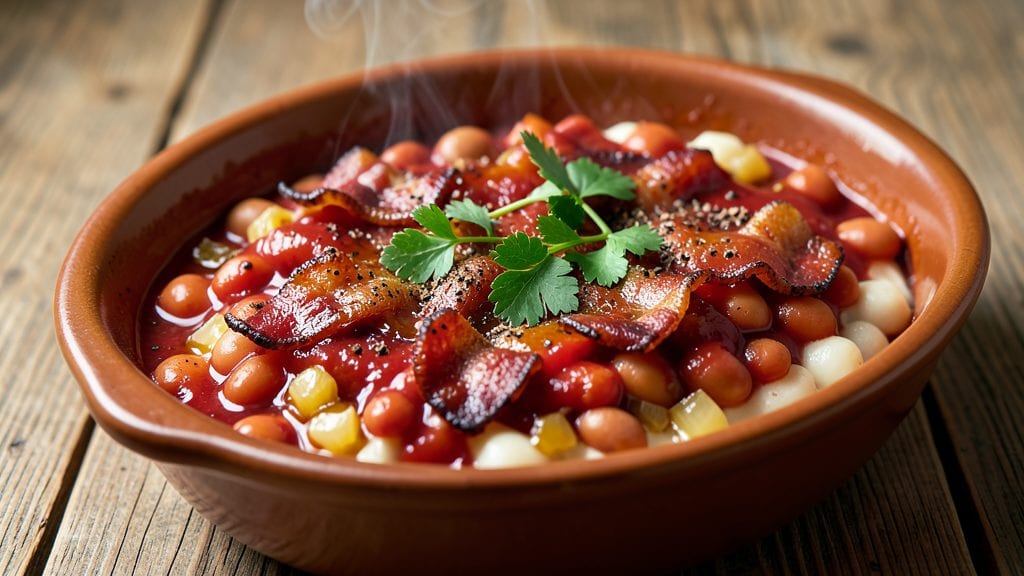
Transforming canned baked beans into a vinegar-brightened tomato sauce dish with smoky bacon crunch is simpler than you think—this recipe proves pantry staples can deliver restaurant-quality depth.
The key lies in balancing sweet tomato sauce with tangy vinegar and brown sugar, while crispy bacon adds a salty contrast that elevates every bite. I developed this version after realizing store-bought beans needed just a few strategic upgrades to become a standout side dish.
This method works equally well on the stovetop, in a slow cooker, or even baked in the oven, giving you flexibility for any meal plan. The combination of molasses and mustard creates a complex flavor profile that pairs beautifully with grilled meats or cornbread.
For a vegetarian twist, simply omit the bacon and add smoked tofu or mushrooms for hearty texture. The recipe maintains its simplicity while delivering professional-level results.
What you'll achieve is a rich, slightly sweet-savory bean dish with tender beans, caramelized onions, and crispy bacon that holds its shape. The vinegar brightens the tomato sauce, cutting through the natural sweetness while adding depth.
This dish transforms a basic pantry item into something special without requiring special ingredients or techniques. The best part? It comes together in under 30 minutes with minimal effort.
Serve alongside grilled chicken, pulled pork, or as a standalone vegetarian main with crusty bread. The versatility makes it perfect for weeknight dinners, potlucks, or meal prep. Here's how to make it shine—no fancy skills required.
Ingredients for canned baked beans in tomato sauce
Pantry staples transformed into a restaurant-worthy tomato sauce dish with vinegar-brightened depth and smoky crunch.
| Ingredient | Amount | Notes |
|---|---|---|
| Canned Baked Beans 🍲 | 2 cans | 15 oz each, no added sugar preferred |
| Crispy Bacon 🥓 | ½ lb | Vegetarian bacon substitute if needed |
| Tomato Sauce 🍅 | 1 ½ cups | High-quality, no added sugar |
| Yellow Onion 🧅 | 1 whole | Medium size, finely diced |
| Apple Cider Vinegar 🍏 | 2 tbsp | For tangy brightness |
| Dark Brown Sugar 🍯 | 2 tbsp | Packed, for depth |
| Dijon Mustard 🌶️ | 1 tbsp | For complexity |
| Unsalted Butter 🧈 | 2 tbsp | Full-fat for richness |
| Molasses 🍯 | 1 tbsp | For depth and sweetness |
| Garlic Cloves 🧄 | 2 cloves | Minced for aromatic base |
| Smoked Paprika 🌶️ | ½ tsp | For smoky depth |
| Diamond Crystal Kosher Salt 🧂 | ½ tsp | Adjust to taste |
| Freshly Ground Black Pepper 🌶️ | ¼ tsp | For subtle heat |
| Smoked Tofu 🍄 | ½ lb | For vegetarian bacon substitute |
| Fresh Thyme Leaves 🌿 | ¼ tsp | Dried works at 1/4 amount |
The quality of your tomato sauce and vinegar makes all the difference here. Opt for high-quality, no-added-sugar tomato sauce—brands like Rao’s or Muir Glen deliver the best flavor. For vinegar, apple cider vinegar adds complexity, but balsamic vinegar works in a pinch. The onions should be sweet and yellow, like Vidalia, for caramelization. If you're using smoked tofu for a vegetarian twist, look for pre-smoked varieties at specialty stores or marinate regular tofu in liquid smoke for 30 minutes. The molasses and brown sugar are non-negotiable for that deep, caramelized flavor—avoid light brown sugar as it lacks the depth.
No crispy bacon? Smoked tofu or tempeh holds up beautifully when pan-fried until crispy. Short on tomato sauce? Crushed tomatoes or tomato paste work in a bind, but thin with water or broth. The mustard and vinegar are the secret weapons here—Dijon mustard adds tang, while the vinegar brightens the entire dish. Fresh thyme is ideal, but dried thyme at one-quarter the amount gets you close. For a smokier profile, liquid smoke (just a dash) can elevate the dish without bacon. The garlic should be freshly minced—pre-minced garlic lacks the aromatic punch.
This dish reheats beautifully—stovetop or oven at 350°F for 10-15 minutes—and tastes even better the next day as flavors meld. Store in an airtight container in the fridge for up to 5 days or freeze for 3 months. For meal prep, portion into containers and keep the bacon or tofu crispy by adding it fresh when reheating. The sauce thickens as it cools, so a splash of water or broth can restore consistency if needed.
Why You'll Love This Recipe
- Two-Ingredient Magic: The canned beans and tomato sauce already do most of the work—just toss in onions and bacon, and you’re done. I swear, I’ve made this while scrolling through emails with one hand.
- Smoky-Sweet Balance: That crispy bacon crumbles into the warm, tangy tomato sauce, while the vinegar cuts through the richness like a perfect bite. Honestly, it’s the kind of flavor that makes you pause mid-bite.
- Lunchbox Hero: Pack these for work or school—cold or reheated, they’re still solid. My kids actually eat them for lunch (yes, even on a Tuesday night), and they’re cheap enough to feed a family without breaking the bank.
- Leftovers That Don’t Suck: Unlike most bean dishes, these taste just as good the next day. I’ll be real: I’ve reheated portions three times, and they’re still my go-to for quick dinners. Budget-friendly? Absolutely. Reliable? Even more.
Step-by-step instructions for canned baked beans in tomato sauce
This method transforms simple canned beans into a rich, vinegar-brightened dish with layers of smoky depth.
Render the Bacon and Prepare the Base
In a large, heavy-bottomed skillet, cook the 0.5 lb crispy bacon over medium heat until the edges are golden brown and the fat has rendered out completely. This should take about 8-10 minutes. Use a slotted spoon to remove the bacon and set it aside on paper towels, leaving the rendered fat in the skillet.
Reduce the heat to medium-low and add the 1 whole yellow onion, finely diced. Sauté for 5-6 minutes until the onions are translucent and beginning to caramelize. Here's the thing—don't rush this step. Properly caramelized onions form the flavor foundation of the dish.
Build the Sauce with Aromatics and Sweet Elements
Add the 2 cloves garlic cloves, minced, to the skillet and cook for 30 seconds until fragrant. Immediately stir in the 0.5 tsp smoked paprika, 0.5 tsp diamond crystal kosher salt, and 0.25 tsp freshly ground black pepper. Let these spices toast in the rendered bacon fat for 15 seconds—they'll develop a deeper flavor this way.
Pour in the 1.5 cups tomato sauce and bring to a gentle simmer. Stir in the 2 tbsp apple cider vinegar, 2 tbsp dark brown sugar, 1 tbsp dijon mustard, and 1 tbsp molasses. Let the mixture simmer uncovered for 5 minutes, allowing the vinegar to mellow and the sugars to meld with the tomato sauce. You'll notice the sauce thickening slightly as it reduces.
Incorporate the Beans and Simmer
Drain the 2 cans canned baked beans, reserving ½ cup of the bean liquid. Add the beans to the skillet and gently stir to combine with the sauce. If using the smoked tofu as a bacon substitute, crumble it into the mixture now. The beans should be fully coated in the sauce within 2 minutes of stirring.
Return the skillet to medium heat and add the reserved ½ cup bean liquid. Stir in the 2 tbsp unsalted butter and the 0.25 tsp fresh thyme leaves. Simmer the mixture for 10-12 minutes, stirring occasionally, until the beans are heated through and the sauce has thickened to a creamy consistency. The beans should be tender and the sauce should coat the back of a spoon.
Finish and Serve
Remove the skillet from heat and stir in the reserved crispy bacon (or crumbled smoked tofu). Taste and adjust seasoning with additional salt or vinegar if needed. The dish should have a balance of sweetness from the molasses and brown sugar, tang from the vinegar, and smokiness from the paprika and bacon.
Transfer the beans to a serving dish and let them sit for 5 minutes before serving. This resting period allows the flavors to meld completely. Serve warm with crusty bread or over rice to soak up the rich sauce. The beans should be tender with a glossy sheen from the tomato sauce, and each bite should deliver the crunch of bacon along with the complex flavors of the sauce.
Pro Tips For Making Canned Baked Beans In Tomato Sauce
- Sauté Onions Low and Slow: If you blast those onions on high heat, they’ll turn bitter before they soften. Instead, keep the flame at medium-low and let them cook for 8-10 minutes—just until they’re translucent but still hold their shape. This keeps the sweetness intact and prevents that burnt-on flavor that ruins the whole dish.
- Drain Beans, Rinse, Repeat: Canned beans come packed in salty liquid, and if you skip rinsing, your tomato sauce will taste like a brine bomb. Drain them first, then give them a quick rinse under cold water. The rinse removes excess starch too, so your sauce stays smooth instead of gluey.
- Crisp Bacon Separately: Tossing raw bacon into the beans mid-cook means it’ll turn greasy and lose its snap. Cook it first on a separate pan until crispy, then crumble it in at the end. This keeps the texture perfect and prevents the beans from getting soggy—trust me, your mouth will notice the difference.
- Deglaze with Vinegar Early: The sauce will taste flat if you wait until the end to add that apple cider vinegar. Stir in a splash (about 1 tablespoon) while the onions are cooking—it brightens the tomato flavor right away and cuts through any heaviness from the beans. (Yes, even if the recipe doesn’t say to.)
Common mistakes when making your canned baked beans in tomato sauce
Skipping the Caramelization
One of the biggest mistakes is rushing the onion caramelization. I’ve seen people skip this step entirely, and it’s a game-changer for flavor.
When you sauté onions until they’re golden and sweet (about 5-6 minutes on medium-low heat), they develop a deep, complex flavor that forms the base of the dish. If you’re in a hurry, you’ll end up with a bland, one-dimensional sauce.
Use a heavy-bottomed skillet like a cast-iron or stainless steel to ensure even cooking. 🌡️
Overcooking the Bacon
Crispy bacon is all about timing—cook it until the edges are golden brown, but don’t let it turn to greasy, rubbery bits. Overcooking releases too much fat, which can make the sauce greasy and dilute the flavors.
I recommend removing the bacon at 8-10 minutes and setting it aside on paper towels to drain excess fat. If you’re using smoked tofu as a substitute, pan-fry it until it’s crispy on the outside (about 5-6 minutes per side).
Ignoring the Vinegar
The apple cider vinegar is the secret weapon in this recipe, balancing the sweetness of the tomato sauce and brown sugar. If you skip it or use too little, the dish will taste flat and overly sweet. Start with 2 tbsp and adjust to taste—you can always add more later.
For extra brightness, a splash of balsamic vinegar (about 1 tsp) works well too. The vinegar also helps tenderize the beans slightly, making them even more enjoyable. 🍏
Not Reducing the Sauce
Letting the sauce simmer uncovered for 5 minutes after adding the vinegar and sweet elements is crucial. This step allows the flavors to meld and the sauce to thicken slightly, creating a richer, more cohesive dish.
If you skip this reduction, the sauce will be watery and lack depth. Stir occasionally to prevent sticking, and don’t rush it—patience here makes all the difference.
Over-Salting Early
It’s easy to overdo the salt when seasoning, especially if your bacon or canned beans are already salty. Start with the 0.5 tsp kosher salt called for in the recipe and taste as you go. Remember, you can always add more salt later, but you can’t remove it.
If the dish tastes too salty, balance it with a splash of vinegar or a pinch of sugar. The key is to season in layers—add salt with the spices, then adjust at the end.
Using Low-Quality Tomato Sauce
The quality of your tomato sauce makes a huge difference in the final result. Avoid cheap, watery sauces with added sugar or preservatives. Brands like Rao’s or Muir Glen deliver a richer, more flavorful base that stands up to the other ingredients.
If you’re using crushed tomatoes or tomato paste, thin them with a little water or broth to achieve the right consistency. The sauce should coat the back of a spoon by the end of cooking. 🍅
Nutrition facts
Frequently asked questions
Can I make this recipe without bacon?
For a vegetarian version, use ½ lb smoked tofu or ½ lb tempeh instead. Crumble it into the skillet after removing the bacon, then pan-fry until crispy. You’ll still get that satisfying crunch while keeping the dish plant-based. The smoky flavor from the tofu pairs perfectly with the tomato sauce and vinegar.
How can I make this in a slow cooker?
Simply combine all ingredients in your slow cooker and cook on low for 4-5 hours or high for 2-3 hours. Stir occasionally to prevent sticking. The slow cooking lets the flavors meld beautifully, and the beans stay tender. Add the crispy bacon (or tofu) fresh before serving to maintain its texture. Perfect for hands-off meal prep!
What’s the best way to reheat leftovers?
Reheat in a skillet over medium-low heat for 5-7 minutes, stirring occasionally, until warmed through. For extra crispiness, add fresh bacon or tofu while reheating. In the microwave, cover with a damp paper towel and heat in 1-minute intervals to avoid drying out the beans. The sauce thickens when cooled, so a splash of water or broth can restore consistency.
Can I use different types of beans?
While canned baked beans work best for this recipe, you can try cannellini beans or kidney beans for a different texture. Drain and rinse them well, then adjust the cooking time to 8-10 minutes to ensure tenderness. The tomato sauce and vinegar will still shine, but the flavor profile will shift slightly. For a heartier dish, use white beans with a splash of broth.
Why does my sauce taste too sweet?
The brown sugar and molasses add depth, but if it’s overwhelming, balance it with 1-2 extra tbsp of vinegar or a pinch of salt. The vinegar cuts through sweetness while adding tang. If needed, add ½ tsp smoked paprika for smokiness to round out the flavors. Taste as you go—you can always adjust, but never remove sweetness once added.